Trauma-Informed Blog
New content weekly! Survivor Stories, Research Articles, Poetry, and more written by clinicians, coaches, survivors, and mental health professionals.

Remember...
Important Information About Our Content
Everything you find on this blog, CPTSDfoundation.org, or within our wider digital communities is created for educational and informational use only. No content shared here—whether by our staff or guest contributors—is intended to supersede or replace the clinical relationship you have with your medical or mental health providers. We are here to support your journey with information, but we do not provide medical advice or treatment. Guest opinions are their own and may not represent the views of CPTSD Foundation. Privacy Policy and Full Site Disclaimer, Terms of Service.
A Reason to Love Your Anxiety
Nervousness is normal when we have to face new and challenging situations, experiences, tests, interviews, presentations, or awkward family events.However, if you find that you are beginning to...

How Child Abuse and Neglect Obstructs the Pursuit of Intimacy
There’s no doubt that the quest for love is universal. The giving and receiving of love are as fundamental to our well-being as the air we breathe. In fact, according to the maternal deprivation...
Complex Trauma, False Gratitude, and Letting Go
In the first article of this series, we focused on toxic positivity and gratitude shaming. We spoke about how while gratitude is an important part of our life; it is unnecessary to be grateful...
This Wasted Day
This Wasted Day I was awoken by my alarm promptly at 5 a.m. this morning, the same time it is set for on all seven days. I have always preferred mornings, in darkness, prior to the sunlight’s...

Dealing with Holiday Stress as Abuse Survivors
Let’s face it, really any day can be stressful for survivors. Random triggers, depression, anxiety, dissociating can simply occur at the drop of a hat. it’s all part of the deal in recovery. So...
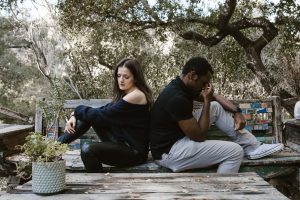
Gaslighting in A Relationship Explained
If someone tries to erode your self-confidence, deny your experience, or plant seeds of self-doubt, there’s a word for that: Gaslighting. “You only think you know.” “You have no idea what you’re...
Must I Be Grateful? Toxic Positivity and Gratitude Shaming
November is the month of Thanksgiving; a month to look at one’s life and be grateful for what we have. Over turkey and the fixings, we are supposed to sit around a table Norman Rockwell style and...
How Childhood Traumas Influence Us Now
If We Can Face Our Traumas: We Lessen the Risk for Mental Health Issues, Chronic Illness, and More We all enter the world a blank slate, free of thoughts and ideas. Who we eventually become is...
Start Training for the Holidays
holidays are the difficulty for those of us who carry trauma in our bones. Holidays are seldom filled with only positive emotions. They are markers of the passage of time that require a measure of nostalgia.
Catastrophic Thinking
Have you ever believed the worst about a situation that may or may not have happened? For instance, you call home from work, and your partner doesn't answer. Immediately, you believe that there...

How Journaling Aids is Self-Discovery
My mission of self-discovery began when I started documenting my journey through breast cancer. But it did not end there. The more I wrote, the more I learned. I initially wanted to know why my...
Healing from Living with Alcoholic Parents
In the first three articles, we have discussed that growing up in an alcoholic or other dysfunctional home changes the lives of the children involved forever. Alcoholism is a family disease that...

What is Complex Post-Traumatic Stress Disorder?
“Complex PTSD comes in response to chronic traumatization over the course of months or, more often, years. This can include emotional, physical, and/or sexual abuses, domestic violence, living in a war zone, being held captive, human trafficking, and other organized rings of abuse, and more. While there are exceptional circumstances where adults develop C-PTSD, it is most often seen in those whose trauma occurred in childhood”.


