
Body Memory: How Trauma Rewires You—And How to Reclaim Your Physical Wellbeing
Do you smell different after trauma? We’ll discuss the physiological changes one might experience, healing approaches, practitioners to find, tests to request, and scripts for medical conversations.
“Why does my body still feel ‘broken’ years after my traumatic experience?”
Before we begin, I want to reassure you that while this article discusses how trauma affects your body, it also offers practical, actionable steps to help with healing. This article will explore how trauma rewires your body, why these changes happen, and how to work with—not against—them. Some of what you read may feel personally concerning or frustrating, so please take breaks as needed and try to stay grounded. Remember that understanding these changes is the first step toward addressing them.
Important Note:
This article is intended for educational and self-help purposes. While it reflects current understandings of trauma and its physical impacts, it is not a substitute for personalized medical or mental health care. If you’re experiencing significant or distressing symptoms, please seek evaluation from a licensed healthcare provider. Self-diagnosis can sometimes lead to unnecessary anxiety or missed medical conditions, so consider this article a companion to—not a replacement for—professional support.
Ash’s Story
Ash stared at their reflection in the bathroom mirror, barely recognizing the person looking back at them. Three years had passed since they discovered their partner’s betrayal and left the marriage that had nearly destroyed them. But the stranger in the mirror still carried the physical imprints of that trauma—and of the years of subtle narcissistic abuse from their family of origin before that. They also carried deeper imprints from childhood medical trauma, having spent months in the NICU as a premature infant, their tiny body subjected to necessary but painful procedures before they had words to understand them.
Their skin seemed different somehow. Their digestion was unpredictable. They caught every cold that came around. And sometimes, they swore their body even smelled different than it used to, especially when they were stressed. Despite therapy and emotional healing work, their body still didn’t feel like home.
“Why can’t I just get over this?” they wondered, the same question that haunted them daily. Their mind knew they were safe now, but their body hadn’t gotten the memo. It continued to operate as if danger lurked around every corner.
Complicating matters further was the fact that their ex-partner continued to send harassing texts and emails, each one like a floating ember that threatened to reignite the trauma response they were working so hard to calm. Complete safety remained elusive, even as they built a new life. And with two young children to parent—including their five-year-old who needed extra support for sensory processing challenges—Ash rarely had moments of true calm to focus on their own healing.
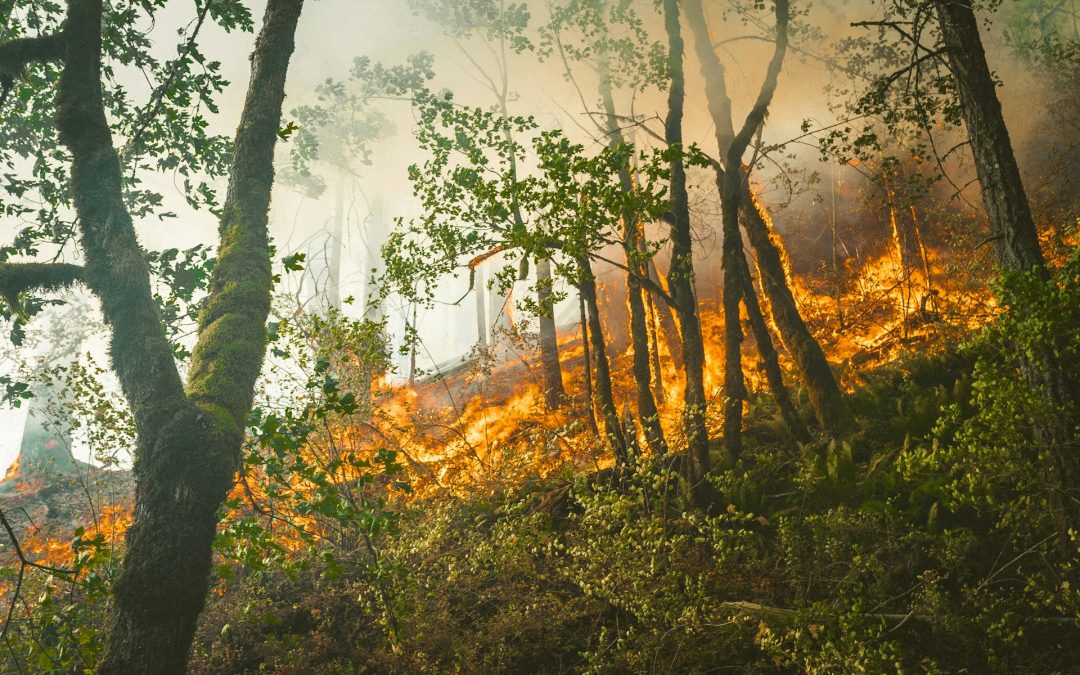
What Ash didn’t yet understand was that their body wasn’t broken—it was adapting. Like a forest after a wildfire, their body’s systems had transformed in response to threat. And just as forests eventually recover—sometimes with even greater diversity than before—their body held the capacity to heal, even if it would never be exactly the same.
Note to readers: This article is written with both accessible everyday language and more detailed clinical information. The clinical sections are in italics and marked as “Optional Deep Dive.” You can skip these sections and still understand all the main points of the article. This structure allows you to engage with the information in a way that works best for you, especially if reading about these topics feels overwhelming.
Neurodivergence & Trauma: Important Intersections
Before diving into the main content, it’s important to acknowledge that neurodivergent individuals (those with autism, ADHD, sensory processing differences, etc.) may experience trauma and its physical effects somewhat differently. The inherent sensory sensitivities and emotional regulation differences in neurodivergent people can sometimes make it difficult to distinguish between trauma responses and neurodivergent traits, or in some cases, when it’s both.
For example, sensory overload in an autistic person may look similar to hypervigilance from trauma, while ADHD emotional dysregulation might resemble trauma-triggered emotional flooding. For example, an autistic person forced to mask their traits may develop trauma responses to social situations, while an ADHDer punished for impulsivity may associate shame with normal energy fluctuations. If you’re neurodivergent and have experienced trauma, understanding these intersections can be crucial to your healing journey. Working with practitioners who understand both trauma and neurodivergence can help untangle these overlapping experiences.
Important note: Neurodivergence itself isn’t traumatic. Trauma arises when neurodivergent traits are stigmatized, punished, or forced into conformity. Many neurodivergent survivors carry wounds from being told their natural ways of thinking, moving, or sensing were ‘wrong’ – not from being neurodivergent itself.
Throughout this article, we’ll note some specific considerations for neurodivergent individuals where relevant, though everyone’s experience is unique regardless of neurotype.
When Your Body Becomes a Stranger: The Disconnect of Trauma
One of the most distressing physical effects of trauma is the profound sense of disconnection from your own body. Many survivors report feeling uncomfortable in their own skin, no longer recognizing or trusting the body that houses them. This experience—known as somatic disconnection—can range from mild detachment to profound experiences where your body feels alien or unreal (depersonalization).
This bodily alienation isn’t just an emotional experience—it’s a physical adaptation to overwhelming events. When trauma occurs, especially repeated trauma, many survivors learn to tune out physical sensations as a way to survive. Pain, hunger, fatigue, even emotions with physical components (like the tight chest of anxiety or the heaviness of grief)—all these signals become background noise to be ignored to keep functioning. This body disconnection serves a protective purpose during trauma but often continues long after the danger has passed.
The trauma disrupts your awareness of your body’s internal state (interoception), creating a profound disconnect. You may struggle to identify basic physical sensations or needs. This often accompanies a difficulty identifying and expressing feelings (alexithymia) as the mind and body lose their natural connection.
Over time, this disconnection creates a cycle: your body sends signals, you don’t listen because you’ve been conditioned not to, so your body “speaks louder” through intensifying symptoms. Eventually, your body may even force you to stop by “giving out” completely—perhaps through illness, collapse, or a health crisis that prevents you from continuing to push forward. Often, these physical shutdowns happen right before or during important events or opportunities, which can feel like your body is sabotaging you. But from your body’s perspective, it’s been trying to get your attention for a long time, and this is its last-resort communication method.
Your body may seem like it’s betraying you, while from the body’s perspective, you betrayed it first by ignoring its warnings and needs. This perception of the body as an enemy often begins in childhood for many trauma survivors, especially when caregivers dismissed, punished, or ignored expressions of physical needs or discomfort. When a child learns that hunger, pain, or exhaustion will be met with dismissal or criticism, disconnecting from these sensations becomes a survival strategy. This also manifests from early life medical procedures where the child doesn’t understand the help or necessity, only their helplessness and pain.
“Why should my body trust me?” Ash had wondered during a therapy session. “I ignored its signals for years. I pushed through exhaustion, dismissed pain, pretended I wasn’t hungry or scared or angry when I was. I treated my body like an enemy, so now it acts like one.”
Breaking this cycle begins with recognition: your body isn’t your enemy. It’s a faithful ally that has been trying to protect you all along, even when its methods became counterproductive.
Hope Note: Reconnection with your body is possible. The path back to safe embodiment involves gentle inquisitiveness, compassion, and gradually learning to hear and respond to your body’s signals instead of overriding them.
How Trauma Hijacks Your Body’s Natural Systems
When a forest faces the threat of fire, everything changes. Plants that once focused energy on growth now divert resources to survival mechanisms. Some trees seal their bark, others release seeds that only germinate after intense heat. Animals flee or burrow deeply. The entire ecosystem shifts into survival mode, with every organism’s priorities fundamentally altered by the presence of threat.
Your body responds to trauma in a similar way. Systems that once maintained general well-being and growth shift toward hypervigilance and protection. Functions needed for immediate survival receive extra resources, while those deemed non-essential during crisis receive less. This isn’t a malfunction—it’s your body working exactly as designed when facing overwhelming stress, particularly from someone you trusted.
Think of trauma as an environmental shift that forces your body’s ecosystem to adapt for survival. Much like certain plant species dominate after a forest fire while others recede, trauma causes some bodily systems to become hyperactive while others become quiet. After a forest fire, species that can quickly take advantage of newly opened space and increased sunlight—like fireweed and certain pine trees with fire-activated seeds—flourish first. These “pioneer species” stabilize the soil and create conditions for the next wave of forest recovery. Similarly, your body’s stress response systems quickly activate to protect you, while growth and restoration systems temporarily recede.
The systems that get sacrificed first are those that aren’t immediately necessary for survival—like digestive efficiency, reproductive function, and tissue repair mechanisms. These changes aren’t “just in your head” or signs of weakness—they’re sophisticated biological adaptations that helped you survive.
Hope Note: Your body’s changes aren’t permanent sentences, though they can feel overwhelming. The same adaptability that helped you survive can be redirected toward healing. Recovery isn’t about “erasing” these changes but about understanding them and creating new patterns of safety that allow your body to gradually shift out of survival mode.
Optional Deep Dive: Trauma-Induced Systemic Dysregulation
These systemic changes can be understood as Trauma-Induced Systemic Dysregulation (TISD). This involves disruption of your body’s essential regulatory systems, including the autonomic nervous system, hypothalamic-pituitary-adrenal (HPA) axis, immune function, and gut-brain communication pathways. These systems normally work in harmony to maintain equilibrium (homeostasis), but trauma forces them into persistent survival patterns that gradually deplete your physical and mental resources—this accumulating wear and tear on the body from chronic stress is known as ‘allostatic load.’
The dysregulation is particularly profound with developmental trauma (childhood abuse, neglect, or medical trauma occurring from birth to age 18) and attachment trauma (betrayal by caregivers during childhood or by intimate partners in adulthood). Examples of betrayal by caregivers include physical or emotional abandonment, consistent failure to meet basic needs, abuse, or using a child to meet the caregiver’s emotional needs. Partner betrayal might include infidelity, financial deception, emotional manipulation, abandonment during crisis, or abuse. Each body system adapts to protect you during these betrayals, but these adaptations come at a metabolic and physical cost when maintained long-term.
Key Takeaway: Your body’s systems aren’t malfunctioning—they’re still in “survival mode” even though the danger has passed. Or, maybe the danger hasn’t fully passed. Understanding this is the first step toward healing.
How Trauma Changes Your Body: From Most Noticeable to Most Hidden
Before we explore these changes in detail, let me clarify a few terms that you’ll encounter in this article. When I mention “betrayal trauma,” I’m referring to harm caused by someone you depended on and trusted deeply—like a parent, caregiver, intimate partner, or close family member. This violation of trust creates unique wounds because the person meant to provide safety became a source of danger, leaving your nervous system confused about where to turn for security.
“Narcissistic abuse” refers to a pattern of manipulation, control, and emotional harm perpetrated by someone with narcissistic traits. This often includes tactics like gaslighting (making you question your reality), intermittent reinforcement (unpredictable cycles of reward and punishment), isolation from support systems, and emotional invalidation. This type of abuse is particularly damaging because it targets your sense of self and reality.
1. Nervous System on High Alert: Why You Can’t Just “Relax”
What You Might Notice:
- Feeling jumpy or startled easily
- Racing heart, even when “nothing’s happening”
- Trouble sleeping despite exhaustion
- Tension in your shoulders, jaw, or back that won’t release
- Difficulty feeling safe even in secure environments
- People-pleasing behaviors that seem automatic (the “fawn” response)
When you experience betrayal trauma or narcissistic abuse, your nervous system rewires itself to prioritize survival. What feels like anxiety is actually your body trying to protect you by staying vigilant. The problem isn’t that your body is overreacting—it’s that it got trained by trauma to see danger everywhere.
Imagine a smoke alarm that was exposed to so many house fires it now rings at the slightest hint of warmth. That’s your nervous system after trauma—it’s doing its job, just with a much lower threshold for detecting threats.
The “fawn response” deserves special mention here because many trauma survivors don’t recognize it as a survival response. Fawning refers to automatically appeasing, people-pleasing, or accommodating others, especially in situations of perceived threat. This might look like agreeing when you don’t actually agree, putting others’ needs before your own even when it harms you, difficulty saying no, or compulsively caretaking others. If you often find yourself abandoning your own needs to keep others happy, particularly when you sense conflict or disapproval, you might be experiencing the fawn response—a survival strategy your nervous system adopted to keep you safe in environments where having boundaries or expressing needs was dangerous.
Recovery Path: Your nervous system can gradually learn to recognize moments of relative safety. This isn’t about forcing yourself to relax, but rather gently helping your body distinguish between times of active threat and times when the danger is temporarily lessened or not immediately present. Even if complete safety isn’t achievable yet, your nervous system can develop more flexibility in how it responds to different situations.
Simple Approaches:
- Diaphragmatic breathing: Place one hand on your chest and one on your belly. Breathe so that your belly hand rises more than your chest hand. This signals safety to your nervous system.
- Humming, singing, or gargling: These activities stimulate your vagus nerve, which helps regulate your stress response. Even just 1-2 minutes, 2-3 times daily can be beneficial. Consistency matters more than duration.
- Progressive muscle relaxation: Tense each muscle group for 5-10 seconds, then release completely and allow 15-20 seconds to notice the sensation of relaxation before moving to the next muscle group. Start from your toes and work up to your head. This technique helps by creating contrast—when you deliberately tense a muscle and then release it, the release often goes deeper than your default “relaxed” state, which may actually be carrying significant tension. This contrast helps your nervous system recognize what genuine relaxation feels like, even if you’re chronically tense. If deliberately tensing feels triggering, you can modify by simply focusing your attention on each muscle group and inviting it to soften without the tensing step.
It’s important to understand that both your sympathetic (“fight-or-flight”) and parasympathetic (“rest-and-digest”) nervous systems are essential for health. You can remember which is which with “S is for Stress and for Sympathetic.” The sympathetic system activates your body for action and protection, while the parasympathetic system promotes recovery, healing, and calm. Neither is “bad”—you need both to survive and thrive. The problem after trauma isn’t having a sympathetic nervous system; it’s that it stays activated too much and too often, while your parasympathetic system struggles to engage when it’s safe to rest.
Optional Deep Dive: Nervous System Changes
Trauma disrupts the balance between your sympathetic (“fight-or-flight”) and parasympathetic (“rest-and-digest”) nervous systems. In narcissistic abuse survivors, the body often gets stuck in sympathetic dominance (chronic activation of the stress response) or in a freeze state of parasympathetic shutdown (collapse, numbing, disconnection). This dysregulation can be measured through tests like Heart Rate Variability (HRV), which quantifies how flexibly your heart responds to changing conditions—lower HRV indicates a more rigid, stress-dominated system.
The fawn response—a people-pleasing, appeasing reaction to perceived threat—is particularly common in relational trauma survivors and correlates with low vagal tone (reduced parasympathetic nervous system activity). This response often develops in childhood when a child learns that safety depends on anticipating and meeting the needs of unpredictable caregivers.
Key Takeaway: Your hypervigilance isn’t psychological weakness—it’s physical evidence of how hard your nervous system worked to keep you safe during trauma.
2. Your Body’s Chemistry: Why You Might Smell and Feel Different
What You Might Notice:
- Body odor that seems different than before your trauma
- Breaking into a sweat when around your abuser or encountering trauma triggers
- Excessive sweating or changes in sweating patterns
- Skin that seems more reactive or sensitive
- Temperature fluctuations—feeling too hot or too cold
- Blushing or flushing (reddening of the skin) more easily
- Changes in breath odor
- Different taste in your mouth
- Changes in how your urine or stool smells
- Altered fingernail or hair texture/strength
If you’ve noticed that your body seems to produce different smells since your trauma, you’re not imagining it. Chronic stress and trauma actually change the chemical composition of your sweat and other bodily secretions. This happens because stress hormones affect many sweat glands throughout your body, not just those in your armpits and groin. These changes alter what your body secretes and how bacteria on your skin process these secretions.
Even more interestingly, trauma can alter both your body chemistry AND your perception of smell. Your sense of smell becomes rewired, potentially making you more sensitive to certain odors, especially those associated with threat or trauma memories. These smell associations vary from person to person based on your specific trauma experiences—there’s no universal set of smells that affect all trauma survivors the same way.
The sudden sweating response when you encounter your abuser or a trauma trigger is a normal protective response—your body remembers the threat before your conscious mind does, activating the “fight-or-flight” response. This “fear sweat” serves a biological purpose, though it can feel embarrassing or intrusive in social situations.
Recovery Path: While some body chemistry changes may persist, supporting your overall stress response system can help normalize these patterns over time.
Simple Approaches:
- Regular, gentle movement to help process stress hormones
- Mindful hygiene: Use personal care products without harsh chemicals, synthetic fragrances, parabens, phthalates, or other potential irritants. Look for “fragrance-free” rather than just “unscented”
- Natural fabrics that allow your skin to breathe (cotton, linen, bamboo, silk, hemp)
- Calming techniques before situations where you might encounter triggers (these will be discussed in more detail later in the article)
- Acknowledge the change rather than fighting it—your body is telling its story
Optional Deep Dive: Body Chemistry Changes
Trauma can affect the body’s stress response systems, which may influence sweat production and body odor. Here’s what some survivors report and what emerging science explores:
Stress Hormones and Sweat: When the body is under chronic stress (like after trauma), stress hormones can change sweat composition. Some people notice their sweat smells stronger or different during periods of anxiety or flashbacks.
The “Fear Sweat” Phenomenon: Preliminary research suggests that stress-induced sweat (sometimes called “fear sweat”) may have a distinct odor compared to sweat from exercise or heat. This could be due to shifts in skin bacteria that break down sweat compounds differently.
Gut-Skin Connection: Trauma’s impact on gut health might indirectly affect body odor. If the gut becomes more permeable (a common issue in chronic stress), certain byproducts can enter circulation and be released through sweat, potentially altering scent.
Brain Changes and Scent Perception: Trauma can heighten sensitivity to smells—especially those linked to past threats. Some survivors report being acutely aware of their own body odor or reacting strongly to scents tied to traumatic memories.
Important Considerations
While these patterns are observed anecdotally and in early research, individual experiences vary widely. No long-term studies have tracked how body odor changes throughout trauma recovery. Factors like diet, hygiene, and genetics also play major roles.
Key Takeaway: The changes in your body odor and sweat patterns are direct physical evidence of how stress hormones have affected your body’s chemistry—not a sign of poor hygiene or health.
3. The Gut-Brain Highway: Your Second Brain Under Stress
What You Might Notice:
- Digestive issues that appear or worsen after trauma (IBS, bloating, constipation, diarrhea)
- Food sensitivities that you didn’t have before
- Digestive upset in response to stress or triggers
- Cravings for comfort foods, sugar, or carbs
- Feeling nauseous in triggering situations
The gut has often been called our “second brain,” containing more nerve cells than your spinal cord and producing many of the same neurotransmitters as your brain. Trauma profoundly disrupts the communication between your gut and brain, changing everything from digestion to how you process emotions.
Your gut microbiome—the ecosystem of bacteria in your digestive system—plays a crucial role in your overall health, including mood regulation and immune function. After trauma, especially early childhood trauma during critical developmental windows (ages 0-3 years), this ecosystem can become significantly altered long term.
Many survivors wonder if these gut changes can be fully reversed. The answer is nuanced but hopeful. Your gut microbiome is highly adaptable even in adulthood, and while early-life trauma can leave lasting fingerprints on your gut ecosystem, significant healing is absolutely possible.
Early childhood trauma can permanently alter the diversity of microbial species, disrupt the training of your immune system, and change gut-brain axis wiring. While some of these changes may persist, your body has remarkable ways of compensating. Even if your microbiome never exactly matches what it might have been without trauma, it can still achieve a new, healthy equilibrium that supports your wellbeing.
Recovery Path: The gut microbiome can be one of the faster systems to respond to healing interventions, often showing improvements within weeks to months, though deeper healing may take longer.
Simple Approaches:
- Trauma-sensitive eating: Focus on nourishment rather than restrictive diets
- Probiotic foods: Yogurt, kefir, sauerkraut, kimchi, and kombucha support healthy gut bacteria
- Fiber-rich foods: Feed beneficial bacteria with vegetables, fruits, and whole grains
- Reduce gut disruptors: Minimize artificial sweeteners, excessive alcohol, and unnecessary antibiotics
- Stress management before meals: Taking a few deep breaths before eating improves digestion
Specific Probiotic Guidance:
- Look for multi-strain products containing Lactobacillus and Bifidobacterium species
- Aim for products with 10-30 billion CFUs (colony forming units)
- Check for strain specificity (e.g., Lactobacillus rhamnosus GG, Bifidobacterium longum 1714, Lactobacillus acidophilus NCFM, Bifidobacterium lactis Bi-07)
- Some require refrigeration (check label), but shelf-stable options can be effective too
- Take with meals for best absorption and protection from stomach acid
- Avoid taking within 2 hours of antibiotics or with strong antimicrobials like oregano oil
- Activated charcoal can bind to and reduce the effectiveness of probiotics, so separate them by at least 2 hours
- Rotating different products every few months may provide broader benefits
- Imported products may have reduced potency if irradiated during import, so check for domestic manufacturing or special shipping methods
Optional Deep Dive: Gut Microbiome and Trauma
Emerging science suggests a strong connection between trauma, stress, and gut health. Many people with PTSD or complex trauma report digestive issues, food sensitivities, or imbalances in gut bacteria. Some animal studies suggest that early-life trauma can lead to lasting shifts in gut microbiota that are harder to reverse, even with probiotics—possibly due to long-term changes in gut barrier function or nervous system signaling. While research is still evolving, some patterns have been observed:
- Microbiome Shifts: Trauma, especially during early life, may affect the balance of gut bacteria that help regulate inflammation and immunity. Some survivors find that probiotic-rich foods or supplements (like those containing Lactobacillus or Bifidobacterium strains) support their digestion and mood.
- The Gut-Brain Link: The vagus nerve, which connects the gut and brain, plays a key role in digestion and stress responses. Trauma can sometimes disrupt this connection, leading to slower digestion, bloating, or heightened stress signals. Practices like deep breathing, yoga, or vagus nerve stimulation may help restore balance over time.
- Early Trauma and Long-Term Effects: Animal studies hint that severe stress during critical developmental periods might lead to lasting gut sensitivity. While the gut can heal, some survivors notice they’re more prone to certain imbalances, like leaky gut or food intolerances.
Supporting Your Gut After Trauma
While everyone’s body responds differently, some approaches that survivors often explore include:
- Probiotics: Strains like L. rhamnosus and B. longum are commonly studied for stress and gut health, though individual results vary.
- Anti-Inflammatory Foods: Bone broth, fermented foods, and fiber-rich diets help many people manage gut inflammation.
- Nervous System Regulation: Trauma therapies like EMDR, somatic experiencing, or mindfulness may indirectly improve gut health by lowering systemic stress.
- Professional Guidance: Working with a functional medicine doctor or nutritionist can help tailor interventions to your unique needs.
A Note on Cutting-Edge Approaches
Some newer areas of exploration—like psychedelic-assisted therapy or microbiome transplants—show intriguing potential in early research, but they’re not yet widely available or fully understood. Always prioritize safety, legality, and professional supervision when considering experimental options.
Key Takeaway: Your digestive issues aren’t “just stress”—they reflect actual changes in your gut bacteria and nervous system functioning. While some early trauma effects may linger, focus on function rather than perfection: even if certain species don’t return, their roles can be fulfilled by other microbes in a newly balanced ecosystem.
4. Immune System Confusion: Why You Might Get Sick More Often
What You Might Notice:
- Catching every cold or virus that comes around
- Taking longer to recover from illnesses
- Developing allergies or sensitivities you didn’t have before
- Unexplained rashes, hives, or skin reactions
- Fatigue that doesn’t improve with rest
- Flare-ups of autoimmune conditions
Chronic trauma puts your immune system in a difficult position. It stays activated to protect you, but this constant activity eventually leads to exhaustion and immune system dysfunction. Like a security guard who hasn’t slept for days, your immune system might overreact to minor threats (allergies, sensitivities) while missing the important ones (viruses, infections).
Recovery Path: The immune system responds well to stress reduction and rebuilding basic health foundations, though it may take months to recalibrate fully.
Simple Approaches:
- Prioritize sleep quality: Immune rebuilding happens during deep sleep. This may be challenging with trauma-related sleep issues, but even small improvements in sleep quality can help. Create a calming bedtime routine, minimize screen time before bed, keep your bedroom cool and dark, and consider tools like weighted blankets if they feel comforting.
- Gentle, consistent movement: Supports lymphatic flow without adding stress
- Anti-inflammatory foods: Colorful fruits and vegetables, omega-3 rich foods, turmeric
- Mindful management of mast cell reactions: Notice triggers for flushing (skin reddening), itching, or rashes and minimize exposure to foods, chemicals, scents, or situations that provoke these reactions when possible
Mast cells are immune cells that release histamine and other inflammatory compounds when triggered by potential threats. In trauma survivors, these cells often become more reactive, contributing to symptoms like flushing (skin reddening), itching, hives, and digestive upset after exposure to certain foods, chemicals, or emotional triggers.
Optional Deep Dive: Immune System and Trauma
Trauma often disrupts immune system balance, creating a state of simultaneous chronic low-grade inflammation and impaired immune defense. This paradoxical response develops when some inflammatory pathways become persistently active while the body’s normal regulatory systems become less effective.
Many trauma survivors experience overactive mast cell responses, which in some cases may develop into conditions like Mast Cell Activation Syndrome (MCAS). In these situations, mast cells can become hypersensitive, releasing disproportionate amounts of inflammatory substances when exposed to potential triggers.
This inflammatory state creates physiological changes that may:
- Increase vulnerability to frequent illnesses
- Raise risk for inflammatory health conditions
- Contribute to autoimmune-like responses
While individual experiences vary, these patterns help explain why trauma survivors often report complex health challenges involving both hyperactive immune responses and reduced infection resistance.
Key Takeaway: Your immune changes aren’t weakness—they’re the result of your body allocating resources to survival rather than maintenance during prolonged threat.
5. Stress Response System: The Command Center of Trauma Adaptation
What You Might Notice:
- Feeling wired but tired—exhausted but unable to relax
- Weight changes, especially increased abdominal fat
- Brain fog and memory issues
- Hormone fluctuations or irregularities
- Blood sugar swings affecting mood and energy
- Sleep disruption, particularly waking at night
While less immediately noticeable than other symptoms, changes in your stress hormone system (the HPA axis) drive many of the physical effects of trauma. This system coordinates how your body responds to stress, regulating everything from energy to immunity to brain function.
Cortisol is one of your primary stress hormones. In healthy amounts, it helps you wake up in the morning, respond to challenges, and manage inflammation. However, trauma can disrupt its natural rhythms. Initially, trauma often causes cortisol to stay elevated, but over time, many trauma survivors develop abnormally low or erratic cortisol patterns. These disruptions affect your metabolism (potentially leading to increased abdominal fat), immune function, and even brain activity.
IMPORTANT: The Double-Bind of Relational Trauma
Unlike other threats, trauma from caregivers or partners creates a unique biological conflict. Your body is programmed to seek comfort from trusted people when stressed, but when these same people are the source of danger, your biological systems receive contradictory commands: “connect for safety” and “flee from danger” simultaneously. This contradiction doesn’t just feel emotionally confusing—it creates measurable disruptions in hormone patterns and nervous system functioning that make relational trauma particularly impactful and exhausting. Understanding this helps explain why recovery from abuse by trusted others involves unique challenges compared to other types of trauma.
Recovery Path: The stress response system can be one of the slower systems to recalibrate, often taking a year or more to show significant improvements, but steady progress is possible with consistent support.
Simple Approaches:
- Establish consistent daily rhythms: Regular sleep-wake times and meal times
- Manage blood sugar: Regular meals with protein, healthy fats, and fiber
- Gentle adaptogens: Herbs like ashwagandha can help support stress resilience (consult a healthcare provider first)
- Mindfulness practices: Regular brief mindfulness breaks throughout the day
Optional Deep Dive: Stress Response System Changes
The body’s central stress response system (the HPA axis) relies on carefully balanced feedback loops that trauma can disrupt. Survivors often develop altered cortisol patterns—sometimes chronically high levels, but more commonly (especially in long-term trauma) an unusually low or “flat” cortisol response. These shifts influence metabolism, cognitive function, and immune activity.
Relational trauma—particularly betrayal by caregivers or partners—has distinct effects on this system. When someone who should provide safety instead becomes a source of threat, it creates a biological paradox: the instinct to seek comfort clashes with the need for self-protection. This conflict can lead to erratic stress hormone fluctuations, where signals for connection and danger fire simultaneously. Over time, this strains the body’s ability to regulate itself effectively.
Key Takeaway: Your stress response system adapted to help you survive chronic danger. Now it needs time and support to learn that the emergency is over. Or, maybe the danger hasn’t fully passed. Understanding this is the first step toward healing.
Fatigue: The Overwhelming Exhaustion of Trauma
Fatigue is one of the most common and challenging aspects of trauma recovery, yet it’s often overlooked or dismissed. This isn’t ordinary tiredness—it’s a bone-deep exhaustion that can feel insurmountable and often doesn’t respond to regular rest. You might feel like you’re constantly running on empty, struggling to accomplish even basic tasks, or needing to recover for days after mild exertion.
This persistent fatigue has multiple physical sources:
- Chronic activation of stress response systems depleting energy reserves
- Inflammatory processes requiring metabolic resources
- Sleep disruption preventing proper recovery
- Mitochondrial dysfunction from long-term stress (your cells’ ability to produce energy becomes impaired)
- The immense energy cost of constant hypervigilance and emotional management
If you’ve been told “you’re just not trying hard enough” or “everyone gets tired,” know that trauma-related fatigue is a real physiological condition, not a character flaw or laziness. Your exhaustion is a logical outcome of the enormous energy your body has expended trying to keep you safe, and it deserves the same compassion and treatment as any other physical symptom.
Recovery approaches:
- Honor your current energy limits rather than fighting against them
- Pace activities throughout the day rather than pushing through
- Prioritize the most essential tasks when energy is limited
- Track your energy patterns to identify your best times of day for different activities
- Consider supporting mitochondrial function with appropriate supplements (under practitioner guidance, see more info below)
- Practice self-compassion when fatigue limits your capacity
Other Physical Signs of Trauma
Beyond the major system changes already discussed, trauma creates numerous other observable physical changes. Understanding these can help validate your experience and guide recovery approaches.
Skin Changes
What you might notice:
- “Skin writing”: Light scratching or pressure leaves raised red marks that stay visible longer than normal
- Excessive sweating in specific areas like hands, feet, or underarms, even when you’re not hot or exercising
- Skin problems like acne or rashes that flare up during stressful times or after emotional triggers
Optional Deep Dive: Skin Manifestations
Dermatographia (also called “skin writing”) causes the skin to become unusually reactive—light pressure, scratching, or even rubbing can leave red, raised marks that linger. This sensitivity is linked to histamine release from mast cells, which may be more easily triggered in individuals with a history of trauma or chronic stress.
Hyperhidrosis involves excessive sweating in specific areas like the palms, soles, or underarms. In some people, this may be related to an overactive stress response system—especially heightened activity in the sympathetic nervous system, which governs the body’s fight-or-flight reactions.
Eye Changes
What you might notice:
- Your pupils staying dilated (larger) even in bright light
- Dry, irritated eyes that worsen during stress
- Becoming more sensitive to bright lights or visual movement
Optional Deep Dive: Ocular Signs
Many people with trauma histories notice changes in how their eyes function, particularly during stress or triggering situations. Common patterns include:
- Pupil Responsiveness
- Some report exaggerated pupil reactions to light, especially during hypervigilance
- Others notice persistently dilated pupils even in bright environments
- These changes may reflect altered nervous system regulation
- Dry Eye Symptoms
- Increased eye dryness, particularly during stressful periods
- Likely connected to shifts in autonomic nervous system function
- May fluctuate with stress levels
- Visual Sensitivity
- Heightened discomfort with bright lights or certain visual patterns
- Some describe visual stimuli as physically painful during distress
- Often worsens during or after triggering experiences
These manifestations typically represent the body’s adaptive responses to prolonged stress rather than permanent damage. Many survivors find symptoms improve as their nervous system regulation recovers.
Posture and Muscle Changes
What you might notice:
- Rounded, hunched shoulders that developed as a protective posture
- Pelvic floor problems like tension, pain, or weakness (may manifest as pain during sex, urinary urgency or incontinence, constipation, or lower back pain)
- Jaw clenching, teeth grinding, or TMJ (jaw joint) pain
Optional Deep Dive: Musculoskeletal “Trauma Postures”
Fetal Shoulders: Many trauma survivors unconsciously adopt a rounded, protective posture—shoulders curled forward, chest slightly collapsed. This stance can serve as a kind of physical shielding of the body’s most vulnerable areas, especially after prolonged periods of fear or threat.
Pelvic Floor Patterns: Trauma can affect the muscles of the pelvic floor in different ways. Some survivors develop chronic tension or tightness (a hypertonic pattern), which may cause pain, discomfort, or difficulty relaxing during intimacy. Others experience a looser, more collapsed state (a hypotonic pattern), where the muscles feel weak or disconnected. For many, both patterns can show up—either at different times or in different muscle groups—especially in the context of complex trauma, where the body may have cycled through various survival responses like freezing, dissociating, or bracing for impact.
Jaw Tension and TMJ Discomfort: Chronic jaw clenching or teeth grinding is a common physical expression of unprocessed stress or vigilance. Survivors often notice tightness in the jaw or pain near the temples, especially during or after triggering experiences. This tension may reflect the body’s attempt to suppress emotion or remain “on guard.”
Voice and Speech Changes
What you might notice:
- A flat, monotone voice or a voice that sounds strained or raspy
- Difficulty finishing sentences when discussing triggering topics
- Speaking more quietly or with vocal fry (a creaky sound) especially in stressful situations
- For singers: difficulty accessing your full vocal range, voice cracks or breaks, losing pitch control when singing, or feeling disconnected from your voice
- Complete loss of words or inability to form coherent sentences when highly triggered (“trauma aphasia”)
Optional Deep Dive: Voice & Speech Patterns
Vocal Cord Tension: May manifest as a flat affect (ventral vagal shutdown) or raspy voice (recurrent laryngeal nerve irritation).
Speech Apraxia: Mid-sentence freezing when triggered, as the limbic system overrides speech centers (sometimes called “Broca’s arrest”).
Vocal fry or whispered speech: Common in those who learned to make themselves “smaller” or less noticeable to avoid abuse. Not all instances of vocal fry relate to trauma, as it can be a cultural or regional speech pattern as well.
Optional Expanded Deep Dive: Voice & Speech Changes for Singers
For singers, trauma often shows up in the voice through deeply embodied responses. The larynx (voice box) and the muscles that support it are highly sensitive to emotional states and shifts in the nervous system. When someone with a history of trauma sings, certain patterns often emerge—not because of a lack of technical ability, but because the body itself is responding to past experiences of threat.
Laryngeal Tension Patterns: Many trauma survivors carry chronic tension in the muscles around the larynx, especially the extrinsic muscles that anchor it to the jaw, tongue, and chest. This tension can limit the natural rise and fall of the larynx during singing, affecting range, flexibility, and ease. Even singers with excellent technique may experience premature vocal fatigue or discomfort after singing, especially in emotionally charged pieces.
Breath Support Disruption: The breath system is often impacted by trauma. Shallow breathing, breath-holding, or unconscious abdominal bracing are common survival adaptations. Because singing requires full, relaxed diaphragmatic engagement, these patterns can make it difficult to access the steady breath needed for vocal control. Singers may find themselves unable to sustain long phrases or may feel “cut off” from their breath in performance situations.
Proprioceptive Changes: Trauma can alter body awareness, creating a sense of disconnection between how something feels and how it’s actually being executed. Singers might struggle to “find” certain notes or registers that were previously easy, or feel confused by changes in vocal control. This isn’t a loss of skill—it’s a temporary disruption in the brain-body connection that coordinates motor function under stress or dissociation.
Resonance Shifts: The spaces that help shape vocal tone—particularly in the throat and upper airway—may constrict during trauma responses. This can result in a trapped or muffled sound, or a sudden loss of resonance, especially in emotionally vulnerable material. Some singers describe it as if the voice is “caught” or “closed off,” even though everything seems structurally fine.
Registration Disruption: Smooth transitions between chest, head, and mixed voice require fine-tuned muscular coordination and nervous system regulation. When trauma dysregulates the nervous system, these transitions can feel jagged or unreliable. Singers may experience voice breaks or inconsistent register blending, even in technically familiar passages. Rebuilding this coordination often involves both nervous system regulation and gentle, targeted vocal work in emotionally safe settings.
Additional Considerations for Neurodivergent Singers: Autistic singers or those with heightened sensory sensitivity may experience more pronounced challenges with body awareness or vocal coordination. Extra patience, flexible strategies, and customized body-mapping approaches can make a meaningful difference.
Heart and Blood Flow Changes
What you might notice:
- Heart racing when you stand up quickly
- Fingers or toes turning white or blue in cold or during stress
- Blood pressure that swings between too high and too low
Optional Deep Dive: Cardiovascular “Trauma Signature”
POTS-like Symptoms: Many trauma survivors experience a sudden increase in heart rate upon standing, sometimes accompanied by dizziness, lightheadedness, or fatigue. This pattern is especially common among those with a history of developmental trauma. In some cases, the symptoms are consistent with Postural Orthostatic Tachycardia Syndrome (POTS), though not all meet formal diagnostic criteria. These responses reflect dysregulation in the autonomic nervous system, particularly the balance between sympathetic and parasympathetic activity.
Raynaud’s-Like Responses: Some individuals notice that their fingers or toes turn white or blue in response to cold or emotional stress. This is due to an exaggerated constriction of blood vessels—a common pattern in those with heightened sympathetic reactivity. While often associated with Raynaud’s Phenomenon, similar vascular responses are frequently seen in trauma survivors even without a formal diagnosis.
Blood Pressure Fluctuations: Trauma can create wide variability in blood pressure depending on nervous system state. During states of hyperarousal (fight-or-flight), blood pressure may spike. In contrast, during dissociative or shutdown responses, blood pressure may drop. These fluctuations reflect the body’s attempts to navigate perceived threat, even when the threat is no longer present.
Sensory Processing Changes
What you might notice:
- Being easily startled by sudden noises or movements
- Becoming overwhelmed by sensory input like loud sounds, bright lights, or certain textures
- Experiencing ringing in your ears that appears or gets worse during stress or when triggered
Optional Deep Dive: Neural and Sensory Changes
Heightened Startle Response: Many trauma survivors find themselves easily startled by unexpected sounds, touches, or movements. This reflects an overactive threat detection system, where the brain—particularly the amygdala—remains on high alert, ready to mobilize a defensive response even when danger is not present.
Sensory Sensitivity: Trauma can lead to heightened sensitivity to sensory input such as noise, light, textures, or smells. These sensitivities may stem from a nervous system that’s chronically overstimulated, or they may arise because certain sensations echo past traumatic experiences. The result is often a feeling of overwhelm or discomfort in environments others might find unremarkable.
Tinnitus or Ear Ringing: A persistent or intermittent ringing, buzzing, or hissing sound in the ears can emerge or intensify during periods of stress. This may be influenced by subtle shifts in muscular tension, blood flow, or neural activity in areas tied to hearing. For some survivors, tinnitus flares in response to trauma-related triggers, making it both a sensory and emotional stressor.
These physical manifestations aren’t imaginary—they’re visible evidence of how trauma has rewired your nervous system. Recognizing these patterns can help validate your experience and guide targeted healing approaches.
Key Takeaway: These observable physical changes aren’t “just in your head”—they reflect real neurobiological adaptations that occurred in response to trauma and can be addressed through appropriate trauma-informed care.
In the following sections, we’ll discuss practitioners, tests, and approaches that can help address these symptoms. While some options may require financial resources, we’ll also include accessible self-help strategies throughout.
If you can only focus on one area of healing due to limited resources, nervous system regulation and digestive health often provide the most foundational support for overall recovery.
Healing Timeline: The Forest’s Regrowth
Before we explore specific approaches to healing, it’s important to understand that recovery follows natural patterns similar to a forest regenerating after a fire. Like ecological restoration, healing can’t be rushed but can be supported. Understanding the typical timeline can help you set realistic expectations and recognize progress, even when it feels slow.
Important: Safety First
It’s vital to understand that significant healing requires a foundation of relative safety. If you’re still in an actively traumatic situation, your body will maintain its protective adaptations—and rightfully so. This doesn’t mean no healing can occur, but full recovery requires an environment where your nervous system can gradually recognize that the danger has passed.
If you’re still dealing with ongoing trauma, including post-separation abuse, harassment, or continued contact with abusers through co-parenting or legal battles, your healing timeline will be affected. Like a forest where embers continue to reignite small fires, ongoing contact with sources of trauma can continually reactivate stress responses.
What You Can Do If Complete Safety Isn’t Yet Possible:
- Focus on harm reduction rather than complete healing
- Create small pockets of safety when and where you can
- Build a support network that validates your experience
- Learn regulation techniques that can be used discreetly
- Practice boundary setting when it’s safe to do so
- Work with a trauma-informed therapist who understands the complexity of ongoing trauma
With these considerations in mind, here’s what healing might look like when sufficient safety exists:
The First Months (1-3):
- Nervous system: You may notice brief moments of feeling safer
- Digestion: Improved regularity or reduced acute symptoms
- Sleep: Falling asleep might become easier, though staying asleep may still be challenging
- Energy: Small increases in available energy
This is like the first green shoots appearing after a forest fire—signs of life returning, but still fragile.
The Middle Period (3-12 months):
- Nervous system: Longer periods of feeling regulated before getting triggered
- Digestion: More consistent functioning, fewer severe reactions
- Immune function: Fewer minor illnesses, improved recovery time
- Stress response: More resilience to everyday stressors
This resembles the early succession stage in forest regrowth—pioneer species (fast-growing plants that can thrive in disturbed soil) establishing themselves, creating the conditions for more complex growth and stability.
The Longer Journey (1-3 years):
- Nervous system: A new baseline of greater calm, with triggers becoming less intense
- Hormones: More balanced patterns emerging
- Body chemistry: Gradual normalization of sweat, odor, and other physical markers
- Identity: Growing sense of your body as an ally rather than an enemy
This represents the maturing forest—diverse new growth establishing a different but vibrant ecosystem.
Persistent Adaptations (Beyond): Some trauma adaptations, particularly from early developmental trauma, may persist in modified forms. Like a forest that grows back with a different composition of species after a fire, your body may establish a new, healthy equilibrium that’s different from its pre-trauma state.
Areas that may retain differences include:
- Gut microbiome composition (though function can improve significantly)
- Certain HPA axis response patterns (such as morning cortisol levels, stress reactivity speed, or recovery timing)
- Baseline inflammatory markers
- Nervous system sensitivity thresholds
However, these differences don’t necessarily mean dysfunction. Many survivors develop remarkable resilience, intuition, and capacity for empathy precisely because of how their bodies adapted to trauma.
Key Takeaway: Recovery isn’t linear—you’ll have setbacks and growth spurts. Progress often happens in a spiral pattern, revisiting challenges but with growing capacity each time. Be patient with yourself, especially if safety is still being established.
Read the rest of this article including steps toward healing in the first book in Ellen’s series “There’s A Word for That”: https://a.co/d/00yKwGEj
This article is in Ellen’s first book of her “There’s A Word For That” series. Order it here.
Copyright Notice: This excerpt is from my book. All content is © 2025 Worldwide Groove Corporation. Unauthorized reproduction, distribution, or use of this material without permission is prohibited. Thank you for respecting my work. 😊
Featured Photo Credit: Unsplash
Guest Post Disclaimer: This guest post is for educational and informational purposes only. Nothing shared here, across CPTSDfoundation.org, any CPTSD Foundation website, our associated communities, or our Social Media accounts, is intended to substitute for or supersede the professional advice and direction of your medical or mental health providers. The thoughts and opinions expressed are those of the guest author and do not necessarily reflect the views of the CPTSD Foundation. For further details, please review the following: Terms of Service, Privacy Policy and Full Disclaimer
- About the Author
- Latest Posts

Ellen Tift** is a longtime university educator, veteran musician, and trauma-informed writer. After three decades as a music professor, she now brings the same clarity, depth, and care to her work on narcissistic abuse, betrayal trauma, and Complex PTSD.
A survivor herself, Ellen combines lived experience with extensive research to offer insight that’s both emotionally validating and intellectually grounded in language that’s easy to understand. Her writing speaks to fellow survivors with warmth, precision, and hard-earned wisdom.
Her book series, _There’s A Word For That_, began its release in 2025 on Amazon and Kindle. Designed for overwhelmed minds and hurting hearts, each volume can be read in small doses, with skimmable headings and stand-alone sections that meet readers right where they are.
Additional Terms and disclaimers for images used in my posts on CPTSD Foundation.