Trauma-Informed Blog
New content weekly! Survivor Stories, Research Articles, Poetry, and more written by clinicians, coaches, survivors, and mental health professionals.
Remember...
Important Information About Our Content
Everything you find on this blog, CPTSDfoundation.org, or within our wider digital communities is created for educational and informational use only. No content shared here—whether by our staff or guest contributors—is intended to supersede or replace the clinical relationship you have with your medical or mental health providers. We are here to support your journey with information, but we do not provide medical advice or treatment. Guest opinions are their own and may not represent the views of CPTSD Foundation. Privacy Policy and Full Site Disclaimer, Terms of Service.

Trauma-Informed Goal Setting for Career Development
It is that time of year when we review our goals from the previous year and set goals for the next twelve months. There are all kinds of goal setting, including fitness, emotional wellness, and...

Effects of Trauma: The Fine Line Between Denial and Healing
Letting go comes in many forms, and letting go of denial can be an important one. It means letting go of what’s stopping you from facing fear, anxiety, isolation, and disconnection and growing and...

The Highway of Worries
The Highway of WorriesBy Jesse B. Donahue © 2019Neuronal pathways that run deep, deepening, and widening are so easily triggered. I sit, and my head, my being aches with a horrible sense of worry...

Healing From Trauma? You Might See Your Relationships Differently
As trauma survivors begin to heal or experience post-traumatic growth, they often gain new insight into many parts of their lives, including relationships. Once beginning to view life through...

The Power of Self-Awareness: How Understanding Your Trauma Can Transform Your Career
Introduction As a trauma survivor, I know firsthand how our experiences can shape our lives, including our careers. For years, I struggled to understand how my trauma impacted my professional life,...

What it Takes to Trust Others…
Trusting our own heart and mind and others is definitely a skill we have to acquire in order to thrive. Being our most authentic selves, marching to the beat of our own drum, and charting a course...

Covert Narcissists: Who Are They and What Do They Do?
Covert narcissists differ from typical narcissists. Find out what their personality traits are like and some behaviors they share in common. By Dr. Jamie and Mila Koljensic Narcissists are portrayed...

Clinical Observations from an Estrangement Clinician: Observation #3
I am an estrangement clinician primarily working with parents who are estranged from their adult sons and/or daughters. My lived experience as an estranged parent is a far greater credential than...

Overcoming Negative Self-Talk and Limiting Beliefs in the Workplace: A Guide for Trauma Survivors
Introduction As trauma survivors, we often face unique challenges in the workplace, especially when it comes to managing our emotions and navigating difficult situations. Negative self-talk and...
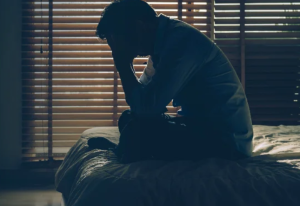
Trauma Bonding: Exploring the Psychological Effects of Abuse
Question of the day: Why would the victim of a toxic abusive relationship emotionally bond with the person who is inflicting that harm on them? Unfortunately, the answer to this question is complex...

What is Wrong With Me?
***TRIGGER WARNING: This article discusses childhood trauma. I always knew something was wrong with me. The first time I asked myself that question was at the tender age of five years old. I...

Daydreaming As a Healing Method for Complex PTSD
How are you feeling today? Have you just woken up with your first cup of coffee, or are you on your lunch break at work? Maybe you have already had a full day and are relaxing at home with a glass...
What is Complex Post-Traumatic Stress Disorder?
“Complex PTSD comes in response to chronic traumatization over the course of months or, more often, years. This can include emotional, physical, and/or sexual abuses, domestic violence, living in a war zone, being held captive, human trafficking, and other organized rings of abuse, and more. While there are exceptional circumstances where adults develop C-PTSD, it is most often seen in those whose trauma occurred in childhood”.