Trauma-Informed Blog
New content weekly! Survivor Stories, Research Articles, Poetry, and more written by clinicians, coaches, survivors, and mental health professionals.
Remember...
Important Information About Our Content
Everything you find on this blog, CPTSDfoundation.org, or within our wider digital communities is created for educational and informational use only. No content shared here—whether by our staff or guest contributors—is intended to supersede or replace the clinical relationship you have with your medical or mental health providers. We are here to support your journey with information, but we do not provide medical advice or treatment. Guest opinions are their own and may not represent the views of CPTSD Foundation. Privacy Policy and Full Site Disclaimer, Terms of Service.

Memes Are Powerful & Problematic
"If everything is equal it isn't actually fair." Molly Burke Humor, joking, and laughter seem to be universally accepted as positive. What's often misunderstood is that this is only true when...
Rejection Trauma
Rejection is a normal part of human life as not every relationship is good for us and may end abruptly. We have all felt the sting of being fired from a job or parting from someone who didn’t...
Grief is Not All the Same
I've always had a hard time with grief. Been described way too emotional. Struck with an emotional intensity whenever I've experienced death close to me and when a person I know has experienced...
Hope For Survivors: I Wish For You …
"This moment of grace changed me. It didn’t take away the tumultuous road ahead, but it gave me a ground, a realization that I was more than the sum of the trauma I’d experienced."
You Deserve Love and Harmony No Matter Your Scars from Trauma
CDC research shows more than 60 percent of American adults have as children experienced at least one ACE (adverse childhood experience), and almost a quarter of adults have experienced 3 or more...

Equally Unequal: The Perfect Victim
This is not worth your time. It probably will not teach you anything you already didn’t know. The result? You will walk away feeling stupid. Maybe just maybe you will feel as if I have wasted...
Addressing CPTSD in Midlife
In 2021, at the age of 51, the acute effects of CPTSD started to tear me asunder. The mayhem wrought by a global pandemic certainly played a factor, but physically, perimenopause had been...
Overcoming Codependency
In this series of articles, we have examined codependency and various types of trauma. We've learned that living in a home where there is familial violence and neglect can spark in a child the...

Silent Bystander Parents
Silent Bystander Parents (SBP) do not intend to allow their children to be harmed by coaches. Research tells us that many families are not even aware that abuse is occurring. The emotional abuse...
The Connection Between PTSD and the Menopausal Transition
Even though there is an abundance of literature on PTSD, we lack a thorough understanding of the biological causes that explain why it is more than twice as prevalent in women than men. Women are...
Healing from Codependency After Physical and Emotional Abuse
So far, in this series, we have discussed narcissistic and childhood abuse and how codependency can become a problem for survivors. However, physical and emotional abuse is also rampant in our...
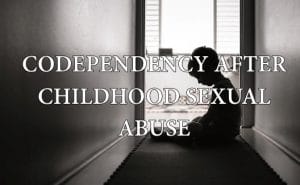
Codependency After Childhood Sexual Abuse
Codependency causes people to feed off each other’s emotions and to lose their ability to care for themselves. Codependency is a cruel dance where one person needs the other who needs to be...
What is Complex Post-Traumatic Stress Disorder?
“Complex PTSD comes in response to chronic traumatization over the course of months or, more often, years. This can include emotional, physical, and/or sexual abuses, domestic violence, living in a war zone, being held captive, human trafficking, and other organized rings of abuse, and more. While there are exceptional circumstances where adults develop C-PTSD, it is most often seen in those whose trauma occurred in childhood”.


