
Trauma Can Make You Feel Broken: Understanding CPTSD and Why You Feel This Way.
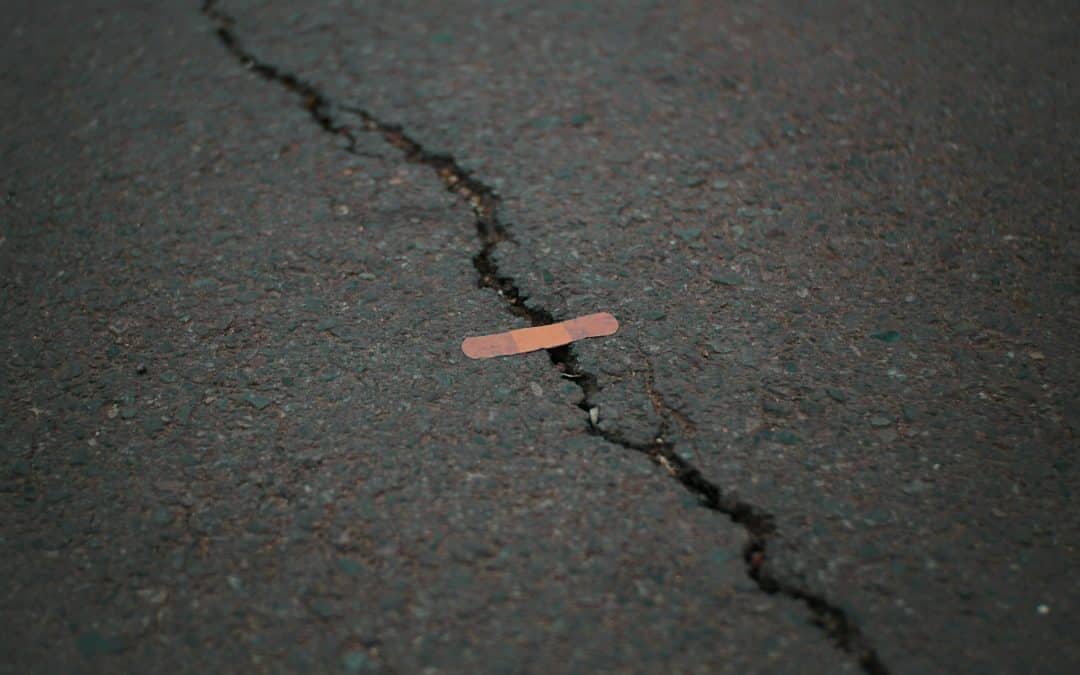
Within me, a quiet question lingered for years: Why am I feeling so broken?”
I experienced periods where I lacked self-understanding of what was going on with me.
I found myself puzzled by my feelings of unease when I was with certain people or in specific environments. For me, a feeling of unease persisted even in locations that appeared safe to everyone else. I could not explain it.
This confounded me further: I gravitated towards individuals whom I sensed were most familiar. They often ended up hurting me. This tendency endured lengthy periods within my existence.
Deep down, I held a belief that many trauma survivors share.
Feeling broken is a potential consequence of trauma.
But today, I understand the truth. I was not broken. I was living with the effects of long-term trauma, which we now understand as CPTSD (Complex Post-Traumatic Stress Disorder).
This led to me having insecurity in safe environments, discomfort in stable relationships, and alienation from those who showed concern. Without even realizing it, I sometimes projected my inner pain onto the very people who meant me well.
That is what unresolved trauma can do to your nervous system.
I grew up in a hostile environment, surrounded by toxic relatives. On top of that, I experienced deep emotional pain from abandonment and rejection by my mother. As a child, I didn’t have the language to process any of it.
I bore the weight of confusion, sadness, and pain. However, my perspective changed as I got older. I understood the overall situation. My mother was not the source of the difficulty. She was also wounded.
She carried her own unresolved trauma, pain shaped by her upbringing, her environment, and the surrounding people. Because of that pain, her approach to love, reactions, and parenting was altered.
Understanding this did not erase what happened, but it gave me clarity. Still, as a child, I internalized everything.
I developed deep feelings of rejection, confusion, and even self-hatred. That pain extended beyond childhood. It followed me into adulthood, into my relationships, my self-worth, and my self-perception. Until one question became constant:
“What is wrong with me?”
If you have ever asked yourself this, I want you to hear this clearly:
Trauma can make you feel broken, but you are not broken.
You are responding exactly the way a human being does after prolonged emotional pain. What CPTSD does is not destroy you. It reshapes how you experience safety, love, and connection.
Why Trauma Leaves You Feeling Broken (But You’re Not)
One of the most confusing parts of CPTSD is this internal contradiction:
You can be in a safe relationship…
A calm environment…
Being around emotionally healthy individuals, despite this, you feel the following:
- Uneasy.
- Suspicious.
- Emotionally distant.
- Feeling overwhelmed or triggered.
Subsequently, shame appears and you ask yourself this questions.
“Why do I feel this way?”
“Why do I ruin good things?”
“Why can’t I just be normal?”
This is often where the belief grows stronger because “Trauma Can Make You Feel Broken.”
But what is happening is not weakness.
It is biology:Your nervous system learned that familiar equals safe, even when familiar was painful. So when you experience calmness, consistency, or real love, your system doesn’t immediately recognize it as safe.
It feels unfamiliar, and to a trauma-conditioned body, the unfamiliar can feel dangerous. This is why you may feel more comfortable with emotionally unavailable or inconsistent people. Not because you want pain; however, because your body has learned to associate pain with normality.
CPTSD: What Trauma Does to Your Nervous System.
CPTSD is not just about memories, it is about how trauma lives in your body. When you grow up in emotional chaos, rejection, or unpredictability, your nervous system develops survival responses:
- Fight: developing a defensive, reactive, or easily angered disposition
- Flight: you feel anxiety, over thinking, overworking and fleeing
- Freeze: you feel numbness, shutdown, procrastination
- Fawn: people-pleasing, self-abandonment
These are not flaws. They are adaptations, that helped you survive when you had no control over your environment. But when left unresolved till adulthood, they can make life feel overwhelming.
This is why Trauma Can Make You Feel Broken when
- Small triggers cause you to react strongly.
- In emotional situations, you tend to shut down.
- You struggle to trust love.
- You overthink relationships.
But your system is not broken but rather It is remembering what seems familiar.
The Hidden Damage of CPTSD: Self-Blame.
As a child, you couldn’t say the following:
“My environment is unhealthy.”
So instead, you believed the following:
“Something is wrong with me.”
And that belief follows you into adulthood.
You may carry thoughts like:
- “I am too much.”
- “I am hard to love.”
- “I am the problem.”
This is where the idea that negative self belief becomes deeply rooted.
But here is the truth: You were not the problem. You were just adapting.
The Turning Point: Understanding CPTSD Changes Everything.
Healing begins when you stop asking the following:
“What is wrong with me?”
And start asking:
“What happened to me?”
This shift removes shame.
And without shame, healing can begin.
You start to see:
- A history lies within your reactions.
- Your triggers have a root.
- Your emotions are valid signals.
Instead of seeing yourself as broken…
You begin to see yourself as someone who learned to survive.
How to Start Healing When Trauma Leaves You Feeling Broken
Healing from CPTSD is not about forcing yourself to “be normal.” It is about teaching your nervous system that safety exists now. Below are few healing tips to help you get started.
1. Awareness without judgment
Instead of criticizing yourself, get curious and replace thoughts like:
“Why am I like this? ”With: “What is this protecting me from?”
2. Regulate Your Nervous System
Healing is physical, not just emotional.
Try:
- Deep breathing.
- Grounding exercises.
- Slow, mindful movement.
- Mindful walking.
These help your body return to safety.
3. Practice self-compassion.
Self-criticism reinforces your trauma and leaves you hopeless, but showing self-compassion helps heals it.
Start with these simple truths:
- “I am learning.”
- “I am safe now.”
- “My feelings make sense.”
Even if it feels unnatural, keep going.
Conclusion
Let this sink in:
Trauma Can Make You Feel Broken, But that does not mean you are not broken.
You learned to survive environments that were painful, unsafe, or overwhelming.
And those adaptations stayed with you, even though you are no longer in that environment.
Take it easy on yourself and understand you are safe now; learning something new.
You are learning how to feel safe. You are learning how to receive love, How to live, and not just survive. Healing is not about becoming someone new. It is about returning to who you were before the pain, and that process takes time. So be gentle on yourself.
But it is possible.
Your 7-Day Healing Practice.
For the next 7 days, take 5–10 minutes daily and reflect on yourself:
- What happened today?
- What did I feel?
- How did I respond?
- What might this response be protecting me from?
Then say this: “This response made sense at some point in my life. I am learning new ways to feel safe.”
Healing doesn’t begin when you “fix” yourself; It begins when you finally understand yourself…
Photo Credit: Unsplash
Guest Post Disclaimer: This guest post is for educational and informational purposes only. Nothing shared here, across CPTSDfoundation.org, any CPTSD Foundation website, our associated communities, or our Social Media accounts, is intended to substitute for or supersede the professional advice and direction of your medical or mental health providers. The thoughts and opinions expressed are those of the guest author and do not necessarily reflect the views of the CPTSD Foundation. For further details, please review the following: Terms of Service, Privacy Policy and Full Disclaimer
- About the Author
- Latest Posts

Elizabeth Akinniyi, a Nigerian native who lives in Lagos State. She is a relationship and trauma therapist and the founder of Flourish & Thrive with EA. As a survivor of CPTSD and codependency, her journey through a complex and painful family system shapes her writing, making it both insightful and deeply healing. Elizabeth is passionate about helping others turn their pain into growth, guiding them toward self-love, emotional safety, and healthier relationships.