
Who Taught You To Carry All Of This?
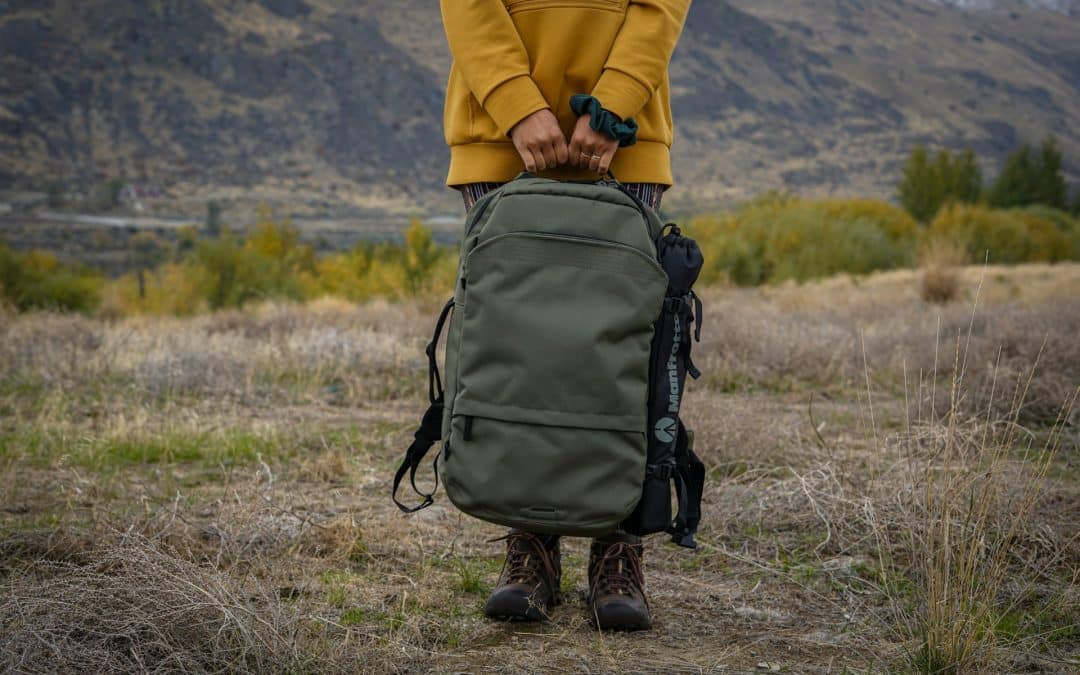
Some children become adults before anyone notices they were children. They learn early how to pay attention. They notice tension before anyone speaks about it. They become skilled at reading the room, anticipating problems, and adapting to whatever the moment requires. Adults praise them for being mature, dependable, and capable. Few people stop to consider what it took for a child to become that responsible.
Years later, those same children often become highly successful adults. They are leaders, entrepreneurs, clinicians, first responders, executives, and experts in their fields. They are trusted with difficult decisions and complex challenges because they have spent much of their lives learning how to navigate uncertainty.
Many of us recognize this story because we have lived it ourselves. We learned how to carry responsibility. We learned how to stay composed when others were overwhelmed. We learned how to solve problems, anticipate needs, and keep moving forward when circumstances became difficult. Those skills served us well. They helped us build careers, earn trust, and create success.
I have spent much of my life in environments where composure mattered. As an athlete, business leader, emergency responder, and crisis mitigation professional, staying calm under pressure was expected. That expectation followed me everywhere: in the gym, the boardroom, the back of an ambulance, and virtual meetings with employees half a world away.
What I eventually came to understand is that I was exceptionally good at being the responsible one.
I was far less skilled at simply being human. Sitting on a beach. Taking a day off. Letting someone else carry the burden for a while. Even when life was calm, part of me remained responsible for everyone around me.
Many high performers know exactly what I mean. We know how to show up for others. We know how to handle responsibility. We know how to keep going. Yet, there are moments when we quietly wonder why life feels so much heavier than it should. We may be respected thought leaders in our field, accomplished, and trusted by others, all while feeling completely disconnected from parts of ourselves when the workday is over.
For some of us, responsibility became more than a role. It became part of our identity because it was a survival mechanism. Being dependable does not feel like something we learned. It feels like something we have always been.
Photo Credit: Unsplash
Guest Post Disclaimer: This guest post is for educational and informational purposes only. Nothing shared here, across CPTSDfoundation.org, any CPTSD Foundation website, our associated communities, or our Social Media accounts, is intended to substitute for or supersede the professional advice and direction of your medical or mental health providers. The thoughts and opinions expressed are those of the guest author and do not necessarily reflect the views of the CPTSD Foundation. For further details, please review the following: Terms of Service, Privacy Policy and Full Disclaimer
- About the Author
- Latest Posts
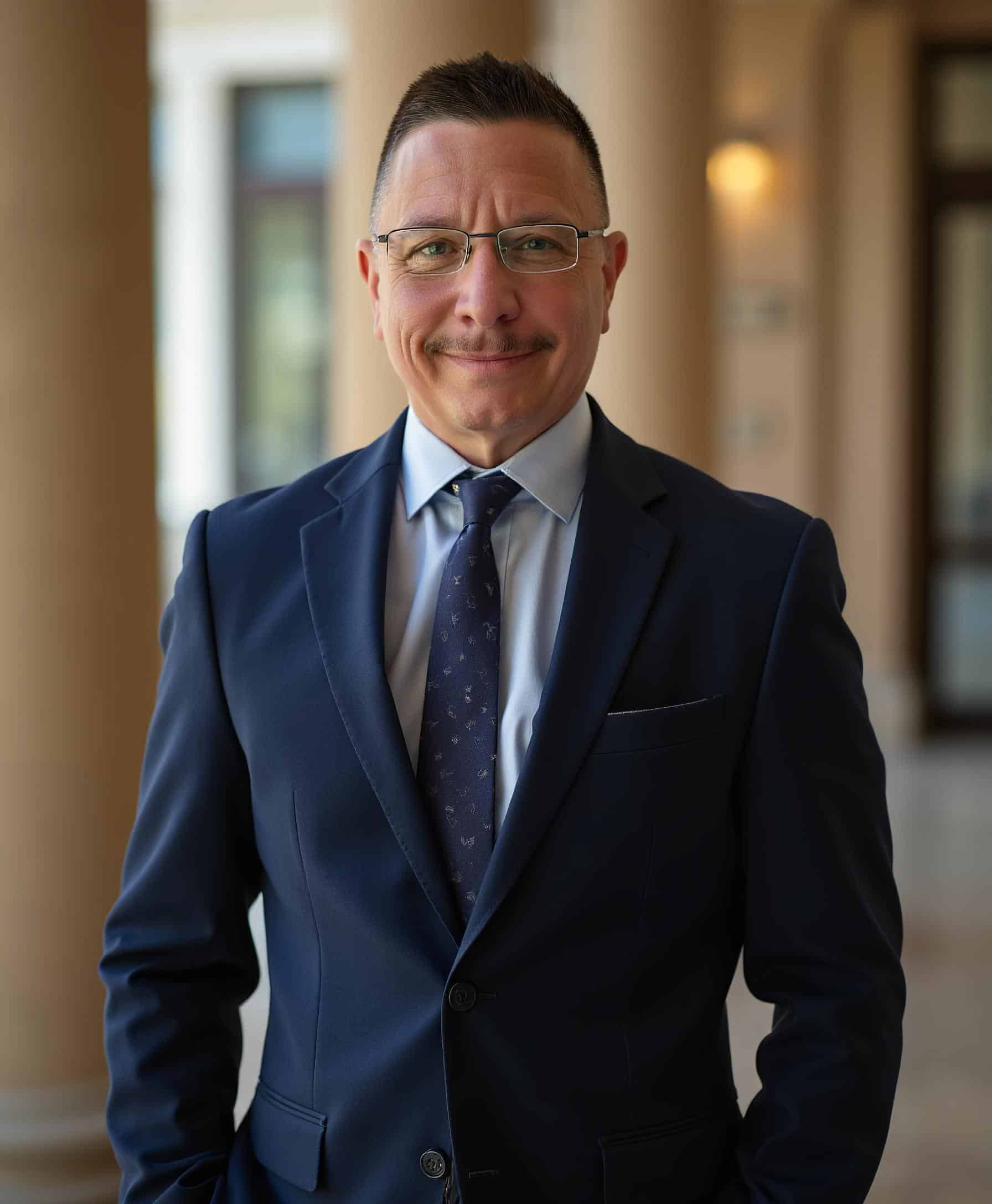
Oak Arias is a global crisis responder, executive leader, and author whose work explores the often-hidden intersection of trauma, public success, resilience, and personal growth. His writing and consulting focus on helping high-performing professionals better understand the relationship between responsibility, achievement, and well-being while bringing language to the experiences that shape us long before we understand their impact.
gracias su artículo fue muy revelador, como personal de atención a mujeres víctimas de violencia existen días en los que me pregunto cómo acabe aquí? esto es realmente duro, como puedo levantarme y hacer esto todos los días?, cuando estoy a tope comienzan a interesarme anuncios como “se solicita mesero en una cafetería” “cajero en una tienda” trabajos rutinarios y mecánicos. cuando era niña aprendí muchas habilidades que hoy me son bastante útiles en mi trabajo, sin embargo, es muy difícil para mí estar en calma, relajarme, hasta hace unos días era un martirio conciliar el sueño y dejar que mi cuerpo solo se relajara. aprendí desde pequeña que no podía contar con nadie y estaba por mi cuenta, nadie vendría a salvarme,
adaptación mura, hipervigilancia, llorar mientras sigues adelante aun a pasar del dolor, no llamar demasiado la atención, ser invisible. hoy la vida suele sentirse dura y estar siempre cansada, cerrar los ojos y que todo desparezca.