
Choosing Yourself After Trauma

I recently connected with Susan Bisaha, and I knew I wanted to give her a space to share her story with you.
Susan is a psychotherapist of more than 30 years experience, and an eight-year survivor of sexual abuse by a Catholic priest. She remained silent about what happened for years before eventually choosing to tell her story and begin rebuilding her life on her own terms. Her memoir, And the Lotus Shall Rise: My Journey Through Clergy S*x Abuse, chronicles her experience of grooming, abuse, silence, and the difficult road toward healing.
What particularly struck me about Susan’s story is that her healing journey didn’t simply involve looking back at what happened. For more than two decades, she continued to encounter the man who abused her because he lived within two miles of her. She saw him in restaurants, supermarkets, bars, and around her community. That ongoing proximity meant learning how to navigate re-traumatization while continuing to build a life that belongs to her.
I’m grateful Susan reached out to share her story, and I hope her words offer both validation and encouragement to anyone who has struggled with shame, self-worth, or the long and sometimes complicated process of healing.
—
RACHEL: What inspired you to start writing about/exploring this topic?
SUSAN: Silence was literally killing me. When my mother passed away in 2014, the time felt right to share my story; eight years of s*x abuse and exploitation by a Catholic priest and the church. The book did not go where I had hoped (looking back, times were different regarding church s*x assault) so after years of looking for a literary agent and/or publisher, the stars aligned. The book was finally released May of this year through Cloverly Publishing. I am now able to use his real name (I could not in 2014) and include much more substance.
RACHEL: What key insights or lessons have you learned through your experiences with this subject?
SUSAN: I now choose to love myself!
For too many years, I placed my value and worth in other peoples’ hands. Never again!
Also, Mark Dolak (the priest) has lived within two miles of me for the past 22 years. I experienced hundreds of sightings at bars, restaurants, supermarkets, the boardwalk… In my case, I needed to learn about continuous re-traumatization and how to cope. No one could save me but me.
RACHEL: What challenges do you think people face when dealing with this topic and how can they overcome them?
SUSAN: Healing takes time. Loving yourself is a CHOICE.
RACHEL: Are there any common myths or misunderstandings about this topic that you’d like to address?
SUSAN: The child should have known it was wrong. The child should have stopped it.
RACHEL: What resources, tools, or next steps would you recommend for readers who want to dive deeper into this topic?
SUSAN: THERAPY!! Also, building a community that knows your story and will support your journey.
—
What I appreciate most about Susan’s story is her simple but incredibly powerful statement: “I now choose to love myself.”
That may sound straightforward, but for survivors, learning to place our own worth back in our own hands can be a profound part of healing. Abuse teaches us, directly or indirectly, to question ourselves, our instincts, our value, and sometimes even our right to take up space. Reclaiming those things takes time.
I also appreciate Susan’s honesty about re-traumatization. Healing doesn’t always mean the reminders disappear. Sometimes the person, place, memory, or circumstance is still there. The work becomes learning how to care for yourself when those reminders show up, rather than allowing them to take your life back from you.
And I couldn’t agree more with her reminder that healing takes time. There is no deadline for becoming okay. There is simply the ongoing choice to turn toward yourself with compassion, support, and the belief that your life can become your own again.
To choosing yourself!

P.S. If you’re ready to take the next step in healing from abuse and would like to explore enrolling in the Beyond Surviving program, start by requesting a Discover Your Genuine Self Session.
Photo Credit: Unsplash
Guest Post Disclaimer: This guest post is for educational and informational purposes only. Nothing shared here, across CPTSDfoundation.org, any CPTSD Foundation website, our associated communities, or our Social Media accounts, is intended to substitute for or supersede the professional advice and direction of your medical or mental health providers. The thoughts and opinions expressed are those of the guest author and do not necessarily reflect the views of the CPTSD Foundation. For further details, please review the following: Terms of Service, Privacy Policy and Full Disclaimer
- About the Author
- Latest Posts
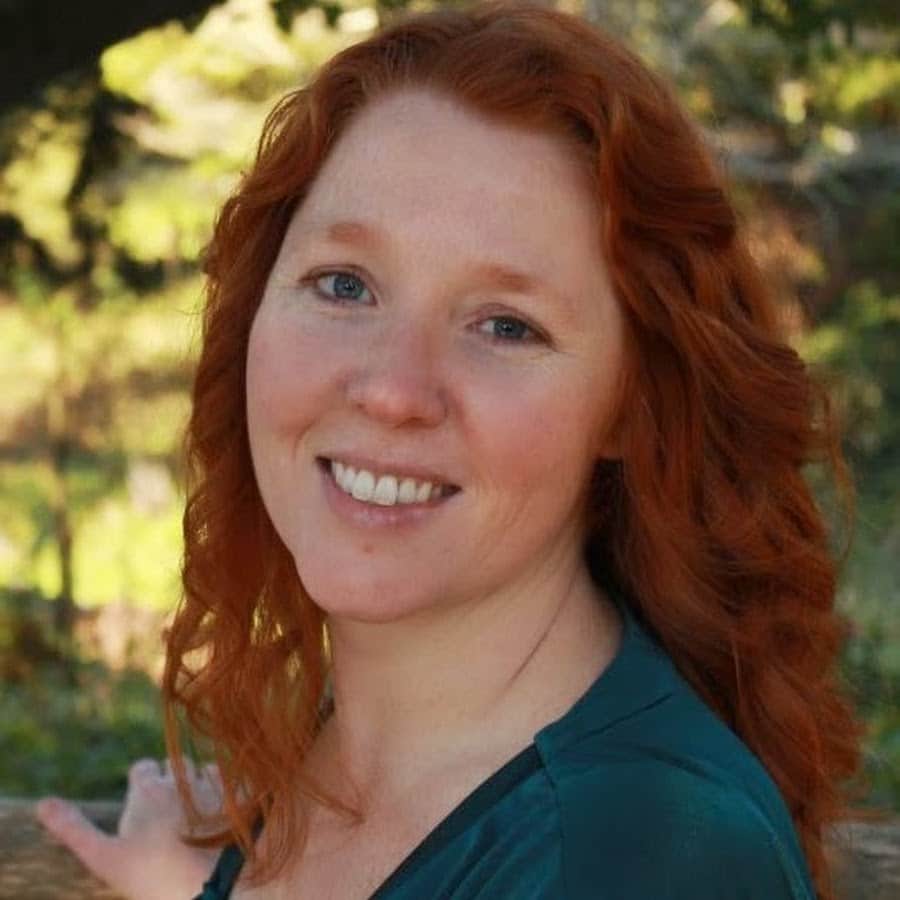
Rachel Grant is the owner and founder of Rachel Grant Coaching and is a Sexual Abuse Recovery Coach and M.A. in Counseling Psychology. She is also the author of Beyond Surviving: The Final Stage in Recovery from Sexual Abuse. Based on her educational training, study of neuroscience, and lessons learned from her own journey, she has successfully used the Beyond Surviving Program since 2007 to help survivors of childhood sexual abuse who are beyond sick and tired of feeling broken and unfixable break free from the pain of abuse and finally move on with their lives.