
The Body Knew Before I Did
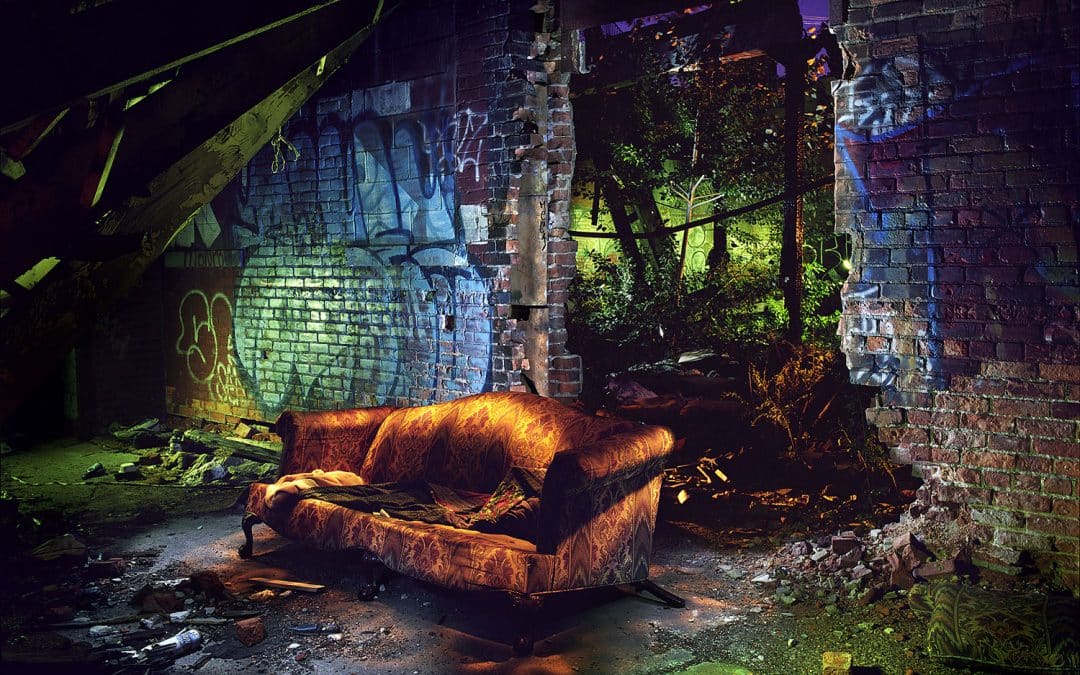
How I accidentally built a healing practice without knowing what I was healing from
In 1987, I walked into a job interview in Montreal and couldn’t say my own name.
I was twenty-two. Two days earlier, I’d been at a party with friends, cracking jokes, feeling like the world was mine. Now I was sitting across from a man who’d asked me the simplest question in the world, “Your name is?” and something was blocking the pathway from my brain to my mouth. My jaw locked. My throat clenched. I started sweating. I finally squeezed out my name, terrified, though I had no idea of what.
That was the beginning. Within days, my ability to hold a simple conversation was destroyed. People became a source of dread. My face would contort, my eyes would twitch, and every interaction was like trying to keep calm while a tarantula was crawling on me. It became impossible. The outgoing, confident guy I’d been my whole life appeared to be dead.
I saw psychiatrist after psychiatrist, but nobody could tell me what was wrong. They treated me for depression and anxiety, but nothing stuck, and nothing made sense for whatever had broken inside me. The condition I was living with didn’t even have a name yet. C-PTSD wouldn’t be a term until 1992, and the WHO didn’t officially recognize it until 2018. The doctors were working with an old map.
So like many others before and after me, I was on my own.
Into the Dark
Six years after my collapse, on a spring night in 1993, I grabbed my camera and tripod and walked out into the city. I had no plan. I was still in the grip of the trauma, and I needed to be somewhere alone, and the darkness of the night just helped me to disappear.
I ended up at the foot of an unlit alley in a rough part of town. I should have been afraid; it was a menacing spot, I was alone, carrying expensive gear in the middle of the night. But something strange happened. I walked in, and the deeper I went, the better I felt. The city’s noise dimmed, the darkness thickened around me like a blanket, and for the first time in years, I felt calm. It was a deep peace I had long forgotten.
In that dark alley, I didn’t have to perform for anyone. Nobody was there to see me struggle. The constant exhausting effort of pretending I was okay simply stopped. In a place that was already broken, I didn’t have to hide anymore.
I set up my camera, and a 25-year practice began.
A Ritual I Couldn’t Explain
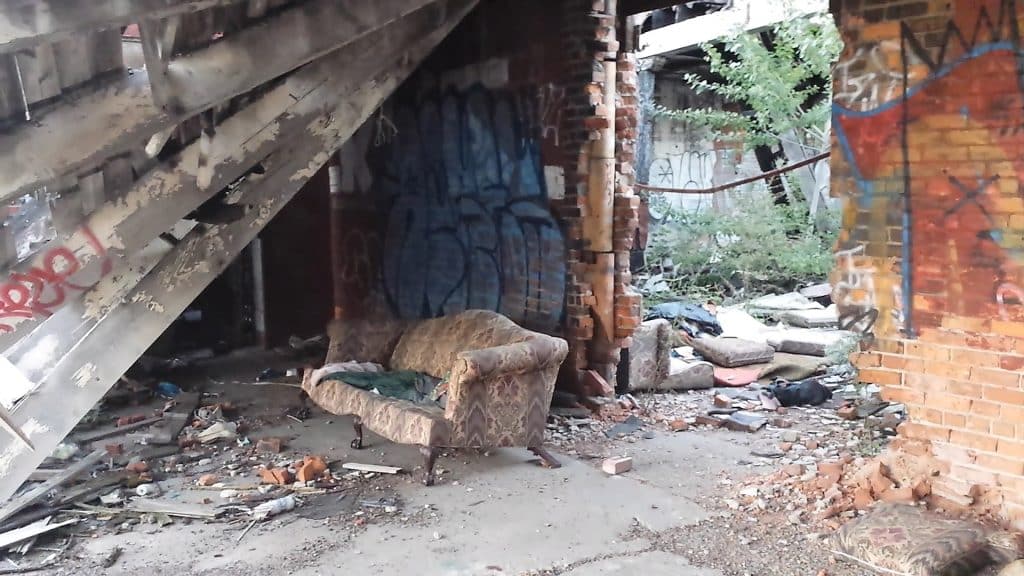
I went back the next night. And the next. Over the following weeks and months, going out into dark, forgotten urban spaces with my camera became the only thing I wanted to do. I started seeking out the ugliest, most abandoned places I could find – alleys, ruins, crumbling corners. Something about matching my surroundings to what I felt inside brought relief.
It took me 20 more years to finally understand this was more than photography. I was performing a ritual.
Each shoot followed the same pattern. I would enter a dark, frightening space alone, stand in the darkness until my eyes adjusted, and I could see. I’d carefully compose the crumbling space in the camera, then I’d step into the scene with my lights, and over twenty to ninety minutes, I’d bring color and light to the wreckage, section by section. When I was done, I’d step back, close the shutter, and leave.
Enter the dark place. Stand in it until you can see. Decide how to frame the damage. Then bring light to the darkness, and find ways of making a frightening reality into something beautiful.
I was rehearsing my own recovery in physical space, over and over again, without knowing that’s what I was doing. The camera was recording evidence that the transformation was real. Each photograph was real proof that something shunned and forsaken could become beauty, that you could enter the wreckage and come out with something worth keeping.
The Paradox That Made It Work
One of the strangest things about those years is this: I was not afraid of what everyone else feared, and yet deadly afraid of what everyone else shrugged off as life. A brief conversation could trigger a tailspin that lasted weeks. But standing alone at 2 am in a place where gunshots had just rung out? I was perfectly calm.
It took me a long time to understand why. The danger in the alleys was external, concrete, something I could respond to. The danger that crippled me – social interaction, being seen, being asked to speak – was internal, invisible, and nothing I tried could touch it. In the alleys, my hypervigilance, the constant scanning, became an asset instead of a symptom. My broken wiring was, for once, perfectly suited to my environment.
I’d found the one context where my damage was useful. And without realizing it, I was using that context to slowly repair the damage.
What I Know Now
I did this for twenty-five years. Over 1,200 nights in more than thirty cities. The photographs were exhibited in galleries and museums, covered by the New York Times, PBS, NPR, and ABC. People responded to the images without knowing the story behind them, and that’s how I wanted it. I planned to take that story to my grave, until it became more important to me that the photos be fully understood.
Only while writing my book did I finally learn the name for what had happened to me in 1987. Only then did I begin to see the pattern – that I had accidentally invented a practice that addressed my specific injury with eerie precision. The repetition, the controlled exposure to fear, the physical engagement, the mindfulness in darkness, the transformation of something broken into something beautiful – it mapped onto things clinicians now describe as somatic regulation, graded exposure, and meaning-making. I had no framework and no clinical language. My body just knew what it needed, and it dragged me to the places where healing could happen.
I’m not a therapist. I can’t tell anyone what their body needs, and I certainly don’t recommend the risks I took, which seemed to be calibrated to my specific injury. But I can say this: if you’ve found something that calms you and you don’t know why, pay attention. If you’ve built a ritual that doesn’t make sense to the people around you but keeps you upright, don’t dismiss it. Your body may be solving a problem your mind hasn’t caught up to yet.
I spent twenty-five years not understanding what had happened to me, or what to do about it. But my body knew, and kept telling me.
Photo Credit: User Supplied from their Book: Alley’s & Ruins.
Guest Post Disclaimer: This guest post is for educational and informational purposes only. Nothing shared here, across CPTSDfoundation.org, any CPTSD Foundation website, our associated communities, or our Social Media accounts, is intended to substitute for or supersede the professional advice and direction of your medical or mental health providers. The thoughts and opinions expressed are those of the guest author and do not necessarily reflect the views of the CPTSD Foundation. For further details, please review the following: Terms of Service, Privacy Policy and Full Disclaimer
- About the Author
- Latest Posts
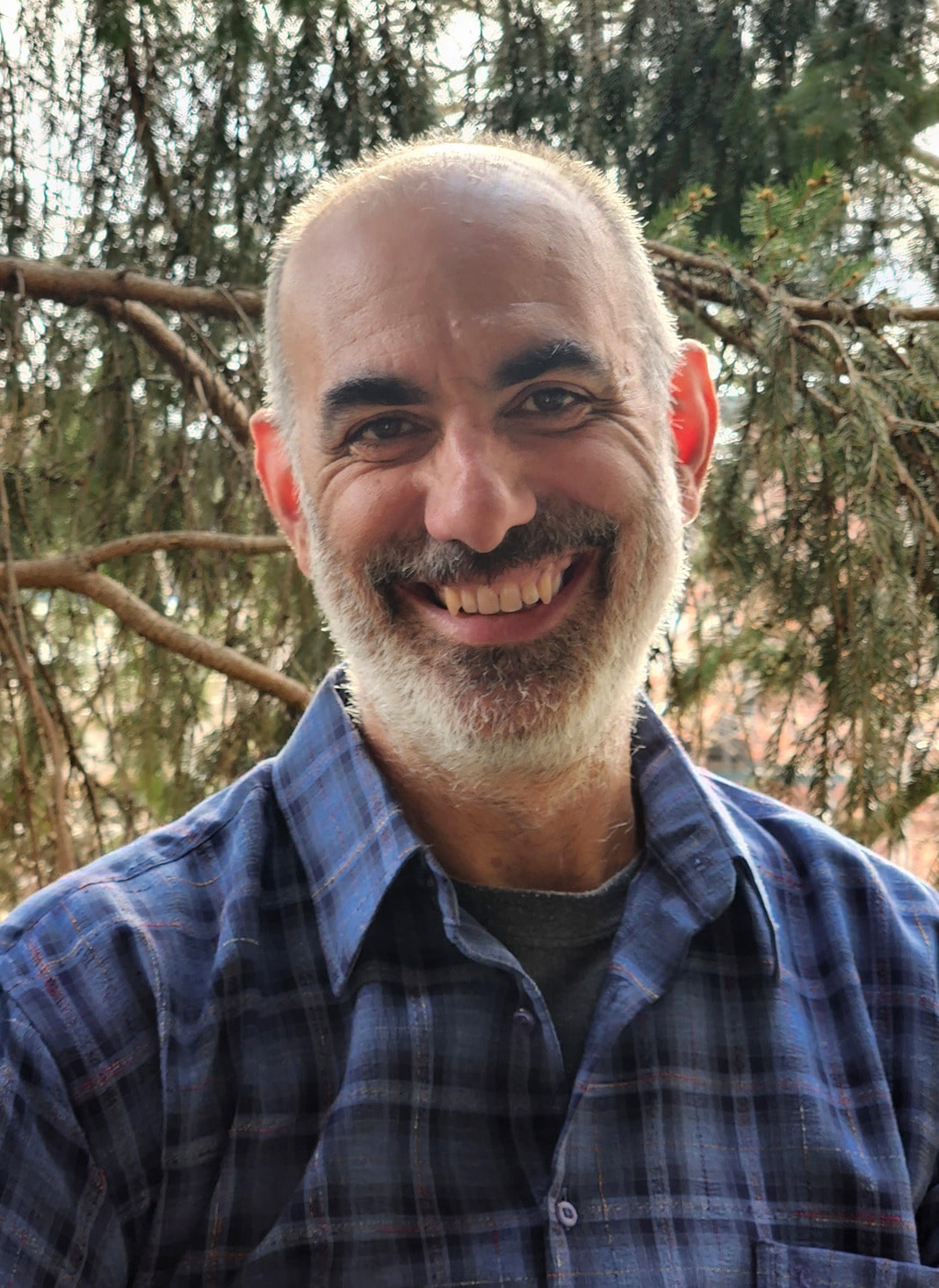
Xavier Nuez is a photographer, writer, and survivor of complex PTSD. After a nervous system collapse at age 22 left him without a diagnosis or any treatment that worked, he spent the next 25 wandering dangerous urban spaces at night with a camera, accidentally building a healing practice he wouldn’t understand until decades later. His photographic memoir Alleys & Ruins: From Breakdown to Beauty braids the hidden story behind the images with 246 photographs from more than thirty cities. His work has been featured by The New York Times, PBS, NPR, ABC, and Architect Magazine. He writes about trauma, creative practice, and the strange wisdom of the body at nuez.com/book
This is a wonderful story. Your photographs are an exquisite example of the healing power of art. As a visual artist, poet and musician, art has anchored my entire life. It provides physical and emotional sustenance, and is something no one can take away. Thank you for sharing. I wish you well on your healing journey.