
Ruins as Echoes
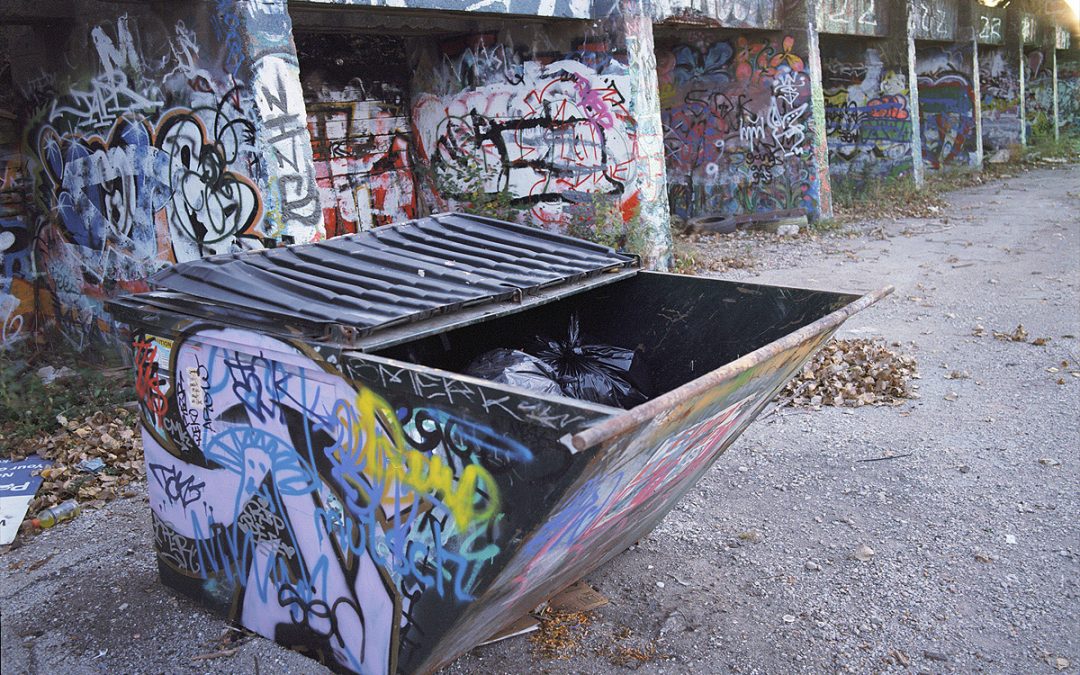
Why I went looking for broken places, and what they gave back
For most of my twenties and thirties, I lived a contradiction I tried to hide from everyone.
On the outside, I seemed to have my life together–running a photography studio, exhibiting my work, and telling jokes when I had the energy. But I kept away from people a lot of the time, because on the inside, I was a wreck. I never knew when a simple “how are you?” would send my jaw locking, my throat clenching, and my entire nervous system into a tailspin that could last weeks. I called it “hiding my tail.” It was a full-time job, and I couldn’t tell anyone about it, because to me, it was absolutely humiliating–something I had vowed to take to my grave. And to make things worse, I had no clue, no understanding of what was going on inside me.
This was the aftermath of a nervous system collapse I’d had when I was twenty-two. I now understand that is was C-PTSD, but at the time was just a nameless catastrophe that tortured me daily. And I was completely on my own with it, having no idea how to find my way back to the luminous joy I once lived.
Then in 1993, six years after the collapse, I started walking into alleys at night with a camera. I didn’t know why, but I knew the second I stepped into one of those dark, abandoned places, the anxious core of me would go very still. It took me a long time to understand what was happening. But here’s what I’ve come to believe: the ruins were echoes–I would say mirrors, but I hated looking into mirrors back then, so echoes it is. And looking into them was the first thing that gave me any real relief.
The Cost of the Mismatch
If you’ve lived with complex trauma, you probably know the feeling I’m trying to describe. There’s a constant gap between what’s happening inside you and what you allow yourself to show on the outside. The world expects–actually, prefers–a certain version of you: one that is calm, present, and engaged. Thus, you spend every waking minute trying to force this mask while a different reality runs underneath.
That mismatch is exhausting and painful in a way that’s hard to explain to anyone who hasn’t lived it. It’s not just the trauma symptoms themselves. It’s the second job of hiding them. By the time you’ve performed your way through a normal afternoon, you’ve burned through more energy than most people spend in a week. Sometimes a 2-minute conversation would make me want to lie down for a week.
I didn’t have language for any of this back then. All I knew was that being around people felt like wearing armor that was slowly crushing me, that I constantly feared had too many holes where my true self was visible. I needed somewhere I could take off the facade.
What the Alleys Gave Me
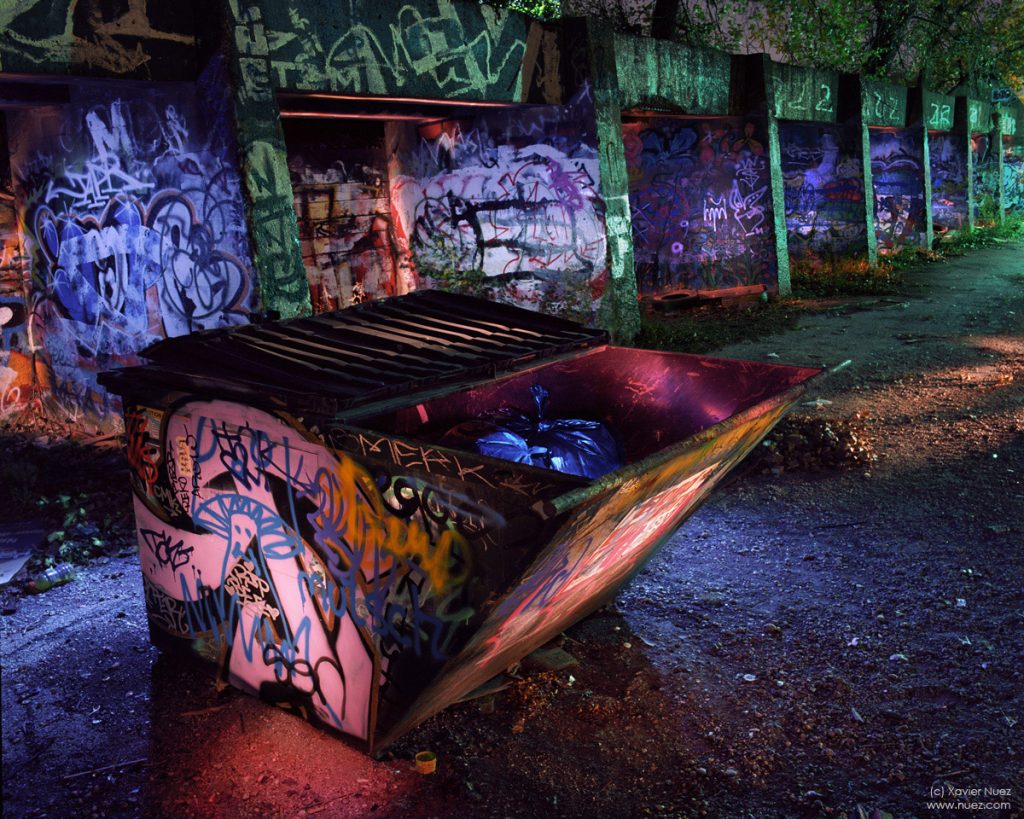
The time I ventured into a dark, unlit alley alone, in Montreal in 1993, I didn’t know what to expect, but I knew I was walking into a potentially dangerous place. I should have been afraid–I was in a menacing spot, carrying expensive photo equipment, no one knew where I was; a dangerous character could have walked out of the shadows at any moment. Instead, something else happened. The city noise dimmed. The darkness wrapped around me like a warm blanket. And a soothing, peaceful calm settled inside my body.
I wrote later that I felt “a kinship with everything around me.” That’s the closest I could get. Once my eyes adjusted, I could see the brick walls were gouged and scraped. The ground was streaked with old grease and broken glass. Paint was peeling off a doorway. It was, by any normal standard, an ugly, depressing place. But to me, it felt like the first space I’d walked into in years that made me feel at home.
The alley looked the way I felt. Reviled. Forgotten. Ruined. The kind of place most people don’t want anything to do with. And because it didn’t hide any of its brokenness, it couldn’t pretend to be anything else. I had found a place where I didn’t have to pretend either, and I could finally breathe.
I think this is the part most people miss when they see my photos. They assume I was drawn to dangerous places because I was reckless, or because I had a death wish, or because I wanted dramatic photographs. None of that was true. I went to broken places because, for the first time since my collapse, I had found somewhere my outside world matched my inside world. I was alone in the dark, and the exhausting masquerade simply stopped. In a place that was already broken, I didn’t have to hide anymore.
What Happened When I Started Lighting Them
If the story ended there–broken man finds peace in broken places–it would be a sad kind of comfort: a man learning to live in the shadows. But something more interesting happened. The next day, after my first night of shooting in these rundown urban corners at night, I laid out the photographs on a light table.
I had gone out expecting to return with ugliness. I say “ugliness,” because that was the only honest response I had to what I felt inside, and that’s what I wanted to capture. But somehow, what I’d photographed wasn’t ugly. A faraway mercury vapor streetlight had cast green color over the brick. A faint sodium light had made the rust glow orange. And the moonlight had dusted everything with its own unique beauty. I’d wanted ugliness, but I’d come back with a strange blend of both ugliness and beauty.
It was fascinating.
I went back out the next night, and the night after that. The same thing kept happening. And eventually I started doing it on purpose – bringing my own colored lights, lighting the walls and the doorways during twenty to forty-minute exposures, transforming each ruin into something theatrical and luminous. I never eliminated the decay. The cracks and the rust and the grime stayed visible in every image. I only changed the light that fell on them, and this changed how they were perceived.
That’s when I started to understand what I was actually doing.
I wasn’t just identifying with these places. I was rehearsing something. Each photograph was a small, repeatable demonstration that something broken could become beautiful without ceasing to be broken. The damage was still there. The light just made it visible in a different way. Over twenty-five years and more than 1,200 nights, I performed that demonstration over and over, in alleys and ruins, until my nervous system finally started to believe it.
What Environment Has to Do With Healing
I’m not a clinician. I can’t write a paper on this. But I’ve thought about it for a long time, and here’s what I keep coming back to:
Recovery, at least the kind I needed, isn’t only about what happens inside your head. It’s also about where your body is. The right environment may not fix you. But the wrong one – the one that demands you perform an exhausting, unsustainable version of yourself–can keep you stuck, and beating on yourself for years.
For me, the “right environment” was the one most people would have called “wrong.” Dark, dirty, dangerous, abandoned. And yet these places allowed me to breathe and to be myself. They didn’t ask me to be anything I wasn’t and that let me drop my armor. And once I could just let my real self be out in the open, something else became possible: I could start working on the broken parts instead of hiding them.
I think a lot of people in recovery are looking for a place like this without knowing it. I don’t recommend you start hanging around alleys and ruins at night for 25 years, but maybe your place is a forest, a garage, a kitchen at three in the morning, a long drive with no destination. Whatever it is, it’s the place where you don’t have to waste energy pretending.
For twenty-five years, mine had broken windows and graffiti and the smell of wet rust. And every time I walked into one of those places, bringing light to the darkness, a little more of my buried light–hiding deep inside of me–started to find its way back.
Photo Credit: Author
Guest Post Disclaimer: This guest post is for educational and informational purposes only. Nothing shared here, across CPTSDfoundation.org, any CPTSD Foundation website, our associated communities, or our Social Media accounts, is intended to substitute for or supersede the professional advice and direction of your medical or mental health providers. The thoughts and opinions expressed are those of the guest author and do not necessarily reflect the views of the CPTSD Foundation. For further details, please review the following: Terms of Service, Privacy Policy and Full Disclaimer
- About the Author
- Latest Posts
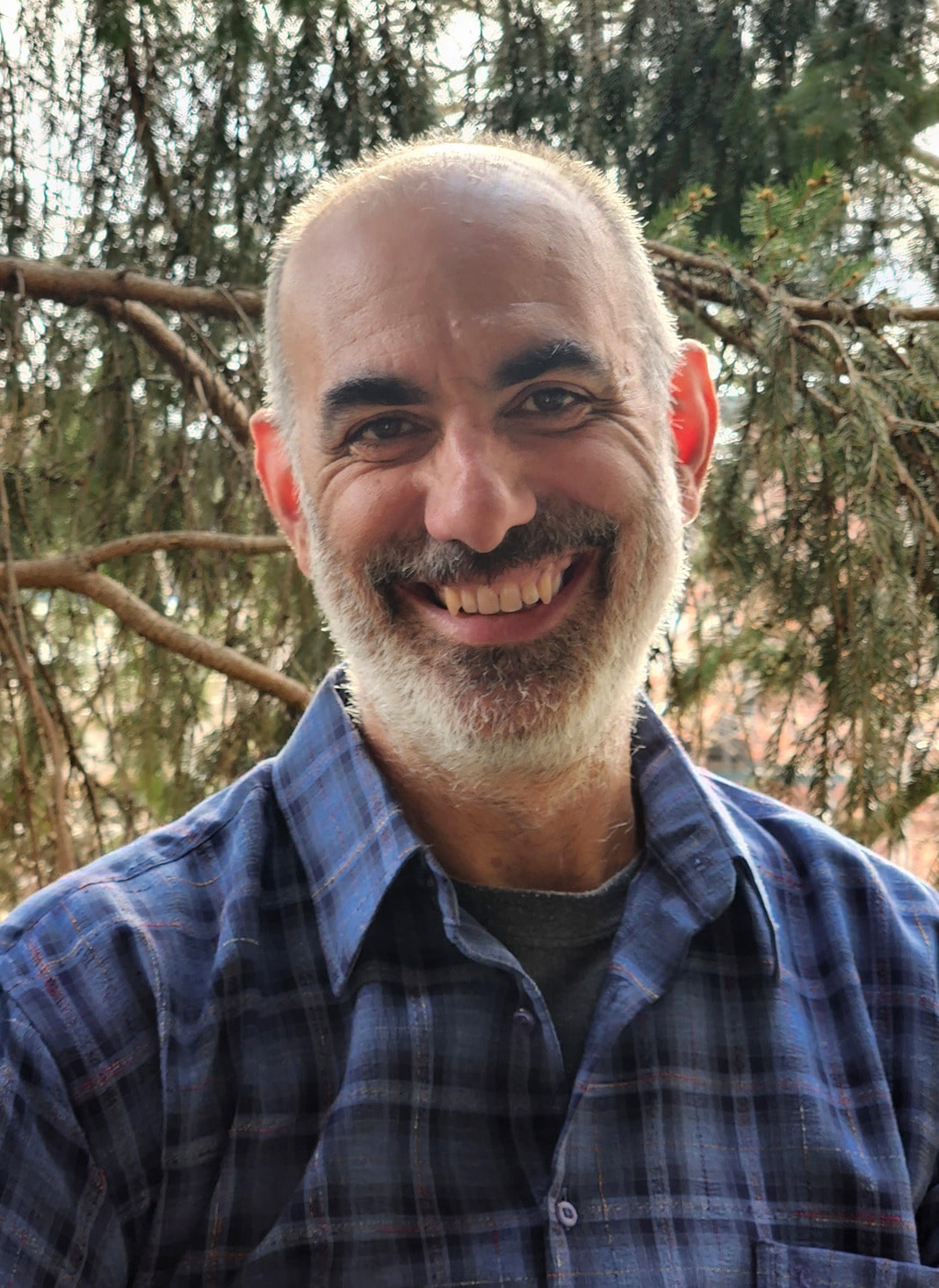
Xavier Nuez is a photographer, writer, and survivor of complex PTSD. After a nervous system collapse at age 22 left him without a diagnosis or any treatment that worked, he spent the next 25 wandering dangerous urban spaces at night with a camera, accidentally building a healing practice he wouldn’t understand until decades later. His photographic memoir Alleys & Ruins: From Breakdown to Beauty braids the hidden story behind the images with 246 photographs from more than thirty cities. His work has been featured by The New York Times, PBS, NPR, ABC, and Architect Magazine. He writes about trauma, creative practice, and the strange wisdom of the body at nuez.com/book