
Becoming an Adult In Childhood: Ancient Innocence

As one day slid into the next, I transitioned from the final seconds of childhood into adulthood. Covering my head with a pillow to dampen the screams at the other end of the trailer, I only felt exhaustion as I crossed the threshold between ages 17 and 18. I wondered if this would be the chorus of my future, for it was the curse of my past and the discordant song of my present. I hoped I wouldn’t be pulled out of bed to mediate the ongoing screaming match between my mom and former stepdad. Now that I was an adult, would they lose patience with my inability to develop solutions for their problems, which often became mine?
In the days leading up to “official” adulthood, I’d convinced myself that once I exited childhood, the fear and helplessness wouldn’t penetrate as deeply. I was wrong.
Those things only intensified, and I felt helpless in the face of my powerlessness to thwart them. An adult by law now, I still possessed the mangled nervous system of a terrified child who’d long held the responsibilities of an adult. My 18th birthday felt like a cruel joke.
I became an adult long before society deemed me one. My childhood, though it held many glimmers of happiness, had also been suffocated by responsibilities that weren’t mine to bear. The people who should have buffered me from the pain that life sometimes delivers were often instead the perpetrators of chaos and heartache. Furthermore, they often saddled me with the cumbersome weight of adult burdens, expecting me to wear the heavy cloth of unreasonable expectations with a smile. In many ways, the roles of parent and child were reversed; this phenomenon is known as “parentification.”
Parentification comes at a grueling cost. You learn to take responsibility for things that aren’t yours to bear. You protect the fragile emotions of others at the expense of your own and provide emotional support in places where you should receive it. In other words, you care for those who should care for you. Along the way, you develop a tangled web of unhealthy coping mechanisms.
As if being robbed of vital pieces of childhood during your childhood isn’t enough, you may carry these burdens into adulthood. This might manifest in several ways, including but not limited to:
- Social isolation related to exhaustion, fear, and an inability to relate to people your own age or people in general.
- Viewing your needs as burdens.
- Carrying a nameless guilt that seems to bear no origin and strangles your ability to live in the moment.
- Measuring your worth by what you can do for others and/or accomplishments.
- Caring for others at a cost to yourself and/or finding it impossible to say “no.”
- Difficulty expressing emotions while feeling responsibility for other people’s feelings.
A quarter of a century after my “formal” induction into adulthood, I mourn the innocence that was torn from my grasp in the dawning years of my life. Longing for the pieces of my childhood that I never lived, I feel pangs of sadness for the fragments of my adulthood that remain trapped in the shadows of my childhood. And…I feel gratitude. While the most vigorous parts of my healing journey have only recently begun to take shape, and chaos has not been a stranger to me as an adult, the weight of my childhood burdens has not broken my back.
Over time, I instead built a backbone of steel. As a child, I didn’t have the strength to wrestle for control nor the power to negotiate my fate. Somehow, I never let the weight completely crush me. My persistence continued into adulthood. While I’ve lived in survival mode for much of my life, I’ve defied the odds again and again. Chances are, if you’re reading this, so have you. We’re part of a club we never asked to join.
In the early stages of rewiring my discombobulated nervous system, I’m no longer afraid, and I’m not powerless. In fact, I’d say the opposite is true. I’ve been told I’m “formidable” and a “force to be reckoned with.”
I agree. I don’t know if I would’ve become this version of myself if not for the pain that paved the way. When I reflect on the fearful, mild-mannered, and shy child I was, I’m surprised by the confidence I bear as an adult. I’m no longer mild, and though feeling safe is an uphill battle, I wouldn’t say I’m always fearful either.
In reflecting on who I was as a child and who I am now, I realize that the common trait I carried from childhood into adulthood is strength. I didn’t have any other choice. As I navigated one nightmare after another, I dug into my reservoir of fortitude. I learned to put up a fight and to keep going even when exhaustion weighed me down. I learned to persevere. Less poetic, but equally true, eventually I arrived at a blissful place where I no longer take anyone’s crap. Over time, those things added up to the person I am today. There’s one word that best captures what I’m describing: resilience.
In being forced to grow up before we’re ready, many of us develop resilience. Or…maybe we’re born with it? What does the word “resilience” mean? Well, you’ve heard the term, “to hell and back,” right? Resilience is essentially the ability to come back from hell…again, and again, and again. Resilience is not always born in trauma, but I think it takes on a unique “flavor” when it’s rooted in the challenges of “growing up early.” Those of us who “became adults” as children first used our resilience to survive. As a result, we started adulthood both behind and ahead of the metaphorical “starting line.” We entered “adulthood” exhausted and knowing too much.
We see the world through weary, sometimes cynical eyes that belong to a much older person. Have you ever been told you’re old or wise “for your age?” Me too. Although I’d love to have an even-keeled nervous system and a mind that doesn’t play out worst-case scenarios by default, I appreciate the wisdom and strength within me that emerged early; it’s only intensified with time. Furthermore, because of my cynicism and ability to read between the lines, I can detect BS from a mile away, and I’m not afraid to call people out if they have it coming. I’ve been silenced long enough, and my patience for what I refer to as “reindeer games” expired a lonnnng time ago.
Furthermore, although it’s aggravating to have a hypervigilant nervous system that sometimes drags me into overly strong bodily and mental reactions to small things. The “big stuff” doesn’t really faze me in the same way it seems to others. I view life as a bit of a jack-in-the-box, and I know there’s always more crap rolling down the line. And…I know I can deal with whatever it is because I’ve dealt with so much already.
I’ve crammed the pain of multiple lifetimes into one. This probably explains why I’ve never felt “my age.” Suspended between youth and old age, some days, I feel closer to age 70 both mentally and physically. But…something’s shifting. As I heal, some days I feel seven, but not the burdened seven-year-old I was. I see glimpses of the real seven; as I heal, I experience moments of unfettered joy that sparkled like rare diamonds in the dark cave of my childhood but could never be held.
I’ve learned a thing or two since then, though. Perhaps it’s because I feel like I’m at a place in my life where there’s less time left, but my goal has shifted from survival to thriving. Please join me. We’ve been surviving for far too long. It’s time to live.
Photo Credit: Unsplash
Guest Post Disclaimer: This guest post is for educational and informational purposes only. Nothing shared here, across CPTSDfoundation.org, any CPTSD Foundation website, our associated communities, or our Social Media accounts, is intended to substitute for or supersede the professional advice and direction of your medical or mental health providers. The thoughts and opinions expressed are those of the guest author and do not necessarily reflect the views of the CPTSD Foundation. For further details, please review the following: Terms of Service, Privacy Policy and Full Disclaimer
- About the Author
- Latest Posts
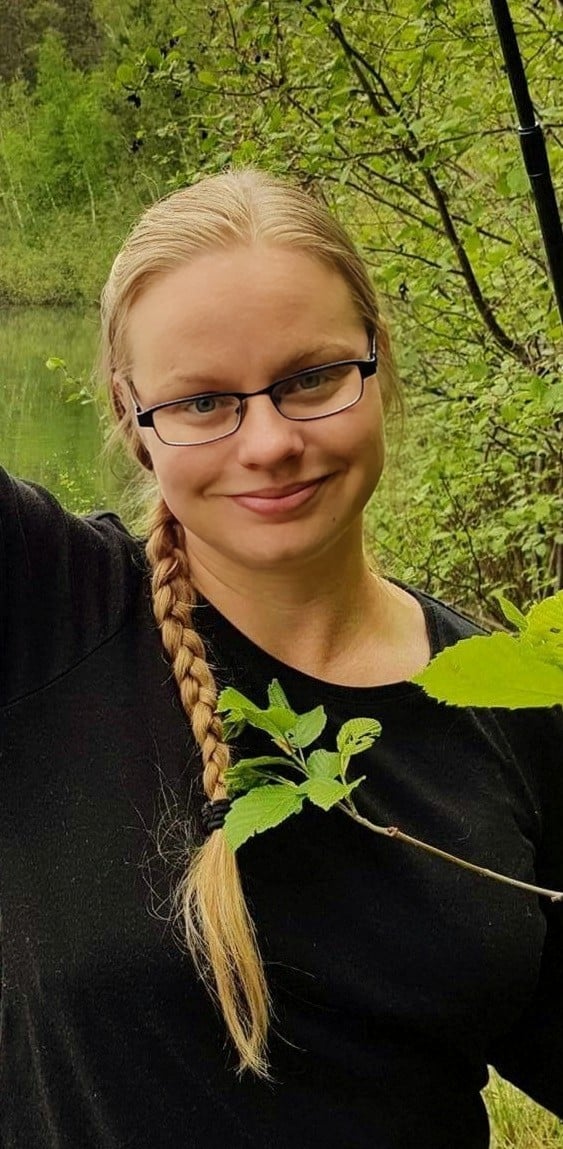
Finally feeling truly alive for the first time in my life, I am writing from a place of gradual healing with an eye to the future and a hope of connecting with others on similar paths. Forced to withhold a tsunami of emotions deemed irrelevant under the roof of my childhood “home,” the blank white pages of my notebooks invited my raw reflections without judgment. Writing allowed me to free the burdens of my soul, but at some point, I muzzled myself. My pen lay dormant for years until, at 41 years old, I experienced a traumatic flashback during an everyday activity that shook me to the core. Five days later, I started writing about the things I had long withheld. I couldn’t stop. Written words have once again become my refuge. I now recognize that these words, resurrected from the ashes of my pain, may have the power to help others. Above all, I want to magnify and share the messages that I have most treasured on my journey: we are not alone and we don’t ever have to go back. This is where we live now and the future is ours.
This hits home. I’m glad you survived and are learning to live and thrive.
Thank you! I wish you the best of luck on your healing journey.