
Not normal but typical. Four words that guided my healing from CPTSD.
For most of my life, I described my childhood as merely difficult. It was a sanitizing word, one that painted over abuse, neglect, and chaos with a veneer of normalcy. To the outside world, I seemed to be living the American dream. I was a successful physician, named by my peers as one of the Best Doctors in America for years. My family and I lived in a lovely pre-Civil War home in an upscale community north of Cincinnati. Yet beneath that polished life, I had spent decades wrestling with a past I could not name. In 1999, like millions of others, I watched students flee Columbine High School with their hands behind their heads and terror on their faces. Something in that footage unlocked a door I had kept bolted for decades: the door to my own childhood.
In mental health, trauma is trauma. What matters is not how an event appears to an outsider, but how it lodges in the body and nervous system of the person who endured it. If an experience overwhelms your ability to cope, it is trauma
My adult life was built on buried memories: a cruel, narcissistic mother, an uncaring alcoholic father, and a home ruled by chaos, neglect, and emotional abuse. I lived through beatings, emotional abuse, and neglect. There was little food because my father drank away his paycheck and, according to my mother, consorted with prostitutes. I was six years old and did not even know what that word meant. The air in our house was volatile. I learned to be invisible. Shouting was the spoken language, and vulgarity took the place of affection. Violence was not an exception; it was part of the atmosphere.
When you grow up in an environment of disregard and danger, your brain adapts to survive. Mine learned hypervigilance. I learned to read the room, read my parents, and anticipate threats. The woods near our house became my refuge. Even at six years old, I roamed the hills alone because I dreaded going home.
When I finally crossed that threshold in 2001 and began an eight-year healing journey with my psychiatrist, Dr. Dan, I had to confront not only the truth of my upbringing but also the chaos it was still creating in my adult life. It had taken two years of sinking deeper into darkness before I made the call to his office. I was consumed by depression and anger. My nights were filled with recurring nightmares—wars, tornadoes, floods, and, most hauntingly, dreams that returned me to the childhood home where danger still lived.
We often imagine therapy as quiet and orderly: a comfortable chair, gentle questions, and a swift revelation that fixes everything. My experience was different.
The room was inviting, but my heart pounded as I fought the urge to flee, terrified of being judged or berated yet again. During that first visit, after hearing only an overview of my life, Dr. Dan told me that healing could take years, given the depth and duration of my trauma. I was stunned. I interrupted him and said he had three visits to fix me. I was exhausted and wanted the pain to stop.
Yet amid the emotional havoc of that first visit, I experienced a breakthrough. As we talked, something carried me back to childhood. I was five years old again, hiding under our dining room table in the dark. After dinner, my father had gone back to the Polish drinking club a few blocks away. My mother, expecting him to come home drunk and furious, locked the doors, as she had done before. When he could not get back inside, he erupted. My parents screamed at each other while my father yelled for me to unlock the door, and my mother ordered us to leave it locked.
I was paralyzed with fear, crying and pleading with them both, trapped once again in the middle of their fight. Then my father smashed the glass in the door, unlocked it, and went after my mother in the kitchen—and the flashback ended.
Dr. Dan asked gently, “Where did you go?” It took me a few seconds to decide whether I would tell the truth. My instinct had always been to say I was fine, but I knew that if I wanted to heal, I had to open that door. I described the scene in detail, looked at him, and broke down in tears. I did not just cry; I sobbed with a force I had never allowed myself to feel. The trauma I had carried into that room was suddenly visible. There was no judgment, no hostility—only empathy. That was the power of the room I spent eight years in: it could hold the toxic pain I had suffered for most of my life.
Healing required me to stop protecting the people who had hurt me and start protecting the child I once was.
The stigma around family dysfunction is powerful; we are taught that loyalty means silence. For me, that silence was corrosive. Healing came through years of intense psychodynamic therapy, during which I relived traumatic events and uncovered others I had buried even deeper. For a long time, I feared I was losing my mind or developing schizophrenia like my older brother.
Again and again, I asked Dr. Dan whether what I was feeling was normal. His answer never changed: not normal, but typical of someone in my situation. Those four words gave me more than comfort. They gave me language—and language made healing possible.
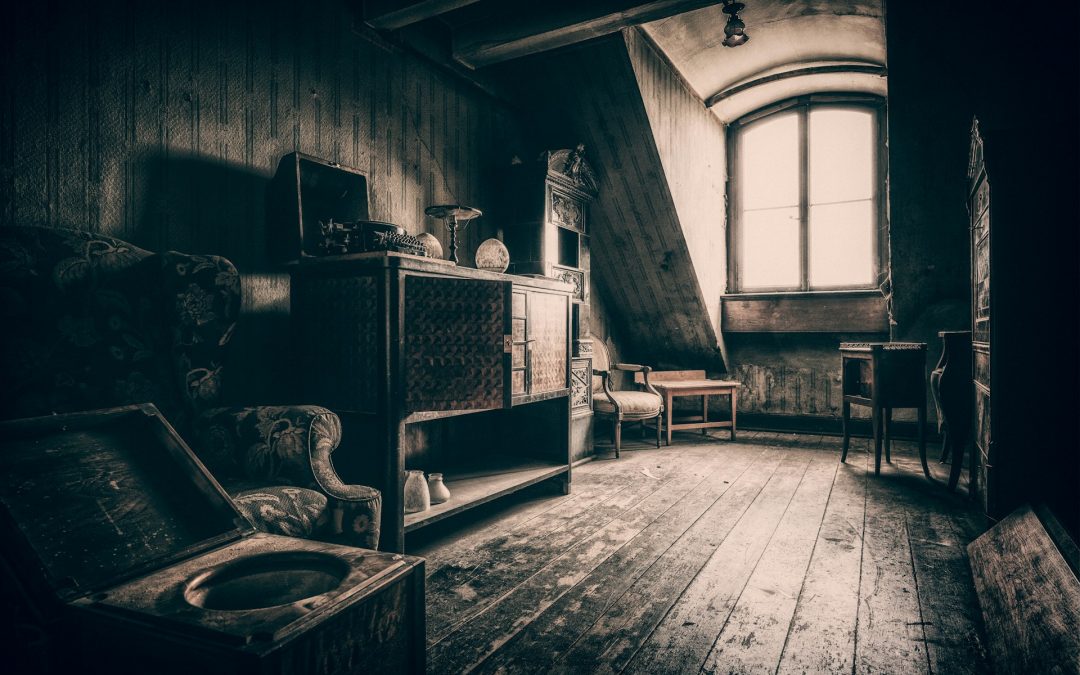
Phot Credit: Unsplash
Guest Post Disclaimer: This guest post is for educational and informational purposes only. Nothing shared here, across CPTSDfoundation.org, any CPTSD Foundation website, our associated communities, or our Social Media accounts, is intended to substitute for or supersede the professional advice and direction of your medical or mental health providers. The thoughts and opinions expressed are those of the guest author and do not necessarily reflect the views of the CPTSD Foundation. For further details, please review the following: Terms of Service, Privacy Policy and Full Disclaimer


- About the Author
- Latest Posts
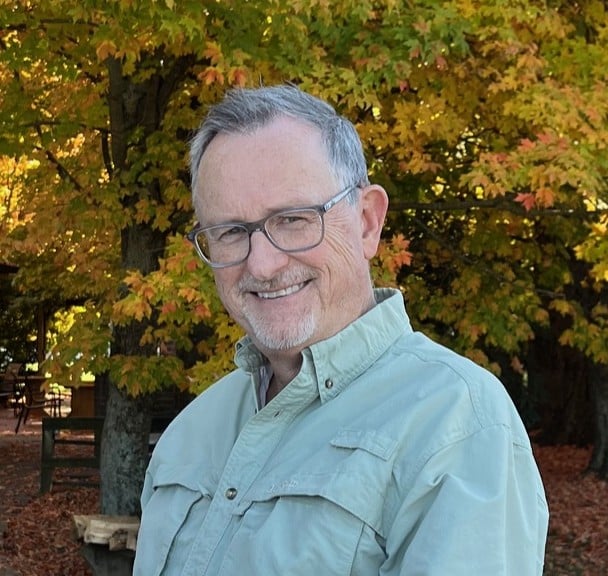
Lawrence Mieczkowski, MD, is an award-winning internal medicine physician who practiced in the Cincinnati and Dayton community from 1985 until his early retirement in 2018
Throughout his life, to others, he was a successful physician and family man, while inwardly he was beset with the memories of his childhood abuse, neglect, and trauma. After the Columbine shootings in 1999, he fell deeper into the darkness of PTSD.
Seeking help in 2001, Dr. Mieczkowski embarked on an eight-year counseling journey to free himself from the past. His determination to capture his struggles in a memoir was an important component of his healing process.
Since the release of his book The Room on the Right in 2025, he has been an advocate for mental health awareness through discussions at book signings and has had several articles published on trauma-related issues.
So grateful that you are willing to share your story so that others know they are not alone and that they too can come out on the other side to experience the healing process.
Thank you for sharing this. Those four words “not normal but typical” are extremely important to someone who has endured such a childhood. Their “normal” produces a dis-regulated trauma led response to life events which can, and usually does, result in further trauma. To hear, and absorb, that these responses are typical, is affirmation that the person is not broken.