Trauma-Informed Blog
New content weekly! Survivor Stories, Research Articles, Poetry, and more written by clinicians, coaches, survivors, and mental health professionals.

Remember...
Important Information About Our Content
Everything you find on this blog, CPTSDfoundation.org, or within our wider digital communities is created for educational and informational use only. No content shared here—whether by our staff or guest contributors—is intended to supersede or replace the clinical relationship you have with your medical or mental health providers. We are here to support your journey with information, but we do not provide medical advice or treatment. Guest opinions are their own and may not represent the views of CPTSD Foundation. Privacy Policy and Full Site Disclaimer, Terms of Service.

For So Long…A Thank You, to the compassionate witnesses that caught me just in time.
For So Long...A Thank You, to the compassionate witnesses that caught me just in time. (trigger warning)thank you, t For so long, a tortuous lifetime no doubt, Trapped in a medieval...

Family Estrangement, What is It?
All families have their squabbles and days when one member might not speak to another. However, there is one type of painful situation where the communication between family members stops; this...

The Importance of Treating Ourselves Kindly.
Throughout my EMDR therapy journey, I've come to realize that all of our incarnations and former selves still live on within us, and the way that we treat/think/talk about them still affects...
There is Hope in the Face of Complex Post-Traumatic Stress Disorder
In the month of November, we have concentrated on Post-Traumatic Stress Disorder, Complex Post-Traumatic Stress Disorder, and how they are formed, plus how they impact the lives of those who are...
Post-Traumatic Stress Disorder and Its Relationship to Childhood Trauma
Most people know that some Veterans returning home from overseas where they served under combat conditions are diagnosed with post-traumatic stress disorder (PTSD). However, did you know that...
Recognizing and Breaking a Trauma Bond
Often, those with CPTSD were raised in homes with some kind of abuse, neglect, or other form of trauma. Unfortunately, this makes us primed up to get into similarly abusive situations as adults....

This is Not My Destination
There is nothing like a little upheaval to make things “get real” quickly. A little stirring of the pot brings up some of the muck lurking on the bottom, and suddenly, what you thought was calm...

Boys Indoctrination into Manhood in Society and the Damaging Effects of CPTSD
Almost from day one, boys born into modern society are bombarded with the idea that they are different from females. Not that females are not made to feel odd about themselves, but boys have it...

Healing from Codependency and the Freedom that Awaits
There is no healing without recognition of that which needs to be healed. Someone who has clogged arteries cannot heal those clogged arteries if they are unaware they have clogged arteries. To...
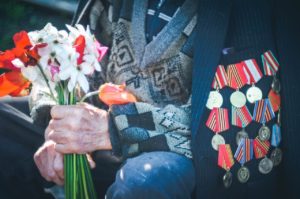
PTSD and CPTSD in Veterans
Human brains are hardwired to react viscerally to traumatic events. They then store those emotions in our central nervous, so that when we feel and experience similar future events, we will be...
Post-Traumatic Stress Disorder (PTSD) and Complex Post-Traumatic Stress Disorder (CPTSD): the Similarities and Differences
There is some confusion about the differences and similarities between PTSD and CPTSD. Post-traumatic stress disorder (PTSD) and complex post-traumatic stress disorder (CPTSD) sound alike but...
Complex Post-Traumatic Stress Disorder and Men: How Men Express the Symptoms
For many years, mental health professionals and the general public alike have studied and applied symptoms of CPTSD as related to women. However, men react differently to the stressors that cause...

What is Complex Post-Traumatic Stress Disorder?
“Complex PTSD comes in response to chronic traumatization over the course of months or, more often, years. This can include emotional, physical, and/or sexual abuses, domestic violence, living in a war zone, being held captive, human trafficking, and other organized rings of abuse, and more. While there are exceptional circumstances where adults develop C-PTSD, it is most often seen in those whose trauma occurred in childhood”.


