Trauma-Informed Blog
New content weekly! Survivor Stories, Research Articles, Poetry, and more written by clinicians, coaches, survivors, and mental health professionals.

Remember...
Important Information About Our Content
Everything you find on this blog, CPTSDfoundation.org, or within our wider digital communities is created for educational and informational use only. No content shared here—whether by our staff or guest contributors—is intended to supersede or replace the clinical relationship you have with your medical or mental health providers. We are here to support your journey with information, but we do not provide medical advice or treatment. Guest opinions are their own and may not represent the views of CPTSD Foundation. Privacy Policy and Full Site Disclaimer, Terms of Service.

A Collection of Survivor Poems.
The following is a collection of survivor inspired poems from some of our guest writers here at CPTSD Foundation. We are so grateful for each person who shares their voice using the written word, to...
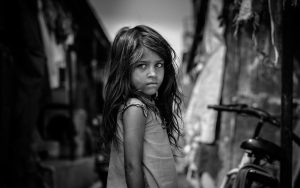
Lost Child Syndrome.
The term dysfunctional family is used to give a name to a family that does not function within normal parameters. There may be alcoholism, drug abuse, neglect, and abuse. These disturbed families...
Are You Good Enough to Deserve Love?
As children, many survivors faced not receiving love from their caregivers without paying a tremendous price, and even then, it wasn't true love. This lack of attention and care left most abused and...
Over-stimulation and Complex Trauma.
My brain has been designed to notice the details, because it’s those subtle environmental cues that indicated something was off-kilter in my family home. As such, I’m not particularly good at filtering out noise and concentrating. I’m aware all the time. It can be extremely distracting, and therefore frustrating, to try to compensate for my super sensitivity to tiny details. Pile that on top of dealing with the emergency signals that often throw my entire being into activation… and things happen that I’m not proud of.

Are You Feeling “Good Enough”?
If you were raised in a trauma filled home, you may have grown up not knowing how you fit into the world. Some days you may feel that you do not belong on planet earth and that you were a mistake....
Seeking … and Finding the Gift.
Reading Randi’s post, How to Stop the Cycle of Abuse (September 18, 2020), I was deeply moved by the level of insight and heart. Had those who raised me understood even one of her important points,...

Rethinking Trauma Anniversaries
Chilled and humid, the air sticks to my skin. The sky is thickly overcast, a shock after three warm days of sunshine. Is this the perfect background for my somber mood or the conditions that provoke...

How to Improve Your Emotional Wellness.
In October, we have been exploring together emotional wellness and emotional intelligence during emotional wellness awareness month. During these stressful days of the COVID 19 pandemic, talking...
Paper Dolls and Color Wheels: A DID Drawing
The Beginning I know now that D.I.D. systems arise to keep certain experiences and feelings separate from normal consciousness. The alters or aspects of my mind that hold my trauma are unique to my...

No Contact For Survival
If you’ve been reading my posts, you know that I talk a lot about awareness and acceptance. They are crucial for healing from trauma, and they are crucial to properly advocate for your child. My...

Emotional Wellness
There can be no doubt that emotional wellness and emotional intelligence go hand in hand. But what does it mean to be emotionally well? Is it something mysterious and unattainable? Or is it...
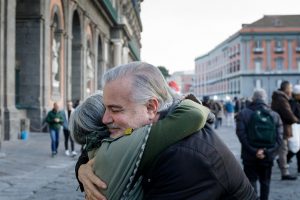
Children Who Get Hugs Tend to Become Happier Adults
I missed out on hugs and cuddles. My mother, who was mentally ill, did not display affection. In second grade, I walked home from school with a friend. I remember watching as she ran up her front...

What is Complex Post-Traumatic Stress Disorder?
“Complex PTSD comes in response to chronic traumatization over the course of months or, more often, years. This can include emotional, physical, and/or sexual abuses, domestic violence, living in a war zone, being held captive, human trafficking, and other organized rings of abuse, and more. While there are exceptional circumstances where adults develop C-PTSD, it is most often seen in those whose trauma occurred in childhood”.