Trauma-Informed Blog
New content weekly! Survivor Stories, Research Articles, Poetry, and more written by clinicians, coaches, survivors, and mental health professionals.

Remember...
Important Information About Our Content
Everything you find on this blog, CPTSDfoundation.org, or within our wider digital communities is created for educational and informational use only. No content shared here—whether by our staff or guest contributors—is intended to supersede or replace the clinical relationship you have with your medical or mental health providers. We are here to support your journey with information, but we do not provide medical advice or treatment. Guest opinions are their own and may not represent the views of CPTSD Foundation. Privacy Policy and Full Site Disclaimer, Terms of Service.

Phoenix Rising
*** TRIGGER WARNING: This blog discusses domestic abuse and could be triggering for readers. *** This is a true story. The Story of the Phoenix is a great legend that speaks to self-care, rest...

Finding a Sense of Wholeness: Complex PTSD, Self-Compassion, and Self-Marveling
“Why do I feel as though I’m writing a sad story, when my aim was to tell the story of a liberation?” - Edouard Louis On the road of healing from Complex PTSD (CPTSD), our stories are often...

Emotional Resilience
The Blueprint for Thriving in Your Career Introduction In the ever-evolving landscape of the professional world, the ability to adapt and navigate challenges with grace is a defining factor for...
The Weaponization of Ambiguity: A Call to Rename NPD to Support Victims of Sociopathic Violence in a World of Rising Narcissism (Part 1)
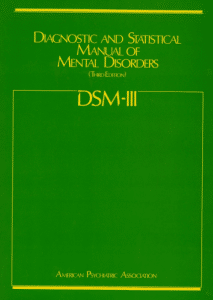
Part 1 of 4 In 1980, the DSM-III first added narcissistic personality disorder (NPD) to its diagnostic manual. It incorporated the trait of passive aggression, which applies primarily to...

“Was It Even Abuse?” Unpacking Psychological Abuse
What type of abuser can break their victim enough to land her in an ambulance without even touching her? The psychological abuser. They walk like us, they talk like us, and they may even have...

Poets Lie, Bodies Don’t: Movement Journaling with Mindy Levine
If “the moving finger writes, and having written, moves on,” as poet Omar Khayyam wrote, then I wonder if the moving body also writes in its own way. I think it must, for I see that...

Finding My Light
“At three, I started violin. At five, I started piano. At six, my life fell apart; my family was uprooted, and my mother, brother, and I were left homeless and penniless.” I didn’t write those...

If Dad Were Here: Handling “Could’ve” Moments in Grieving and Trauma
A prevalent trope posits that a woman can be okay when her father faces off against her abuser. Stay away from his daughter or meet his wrath. Roots in sexism appear clear when wondering why a...

Navigating the Dread Of Empathy in Trauma Recovery
Empathy: The Double-Edged Sword Being an empath means feeling deeply, not just for others but also for ourselves. The challenge arises when these deep feelings become too much, causing our...

How Do you Emotionally Self-Regulate to Handle Life?
When feeling emotionally triggered or activated, we all have developed ways to ‘feel better’. For some, that is getting back into ourselves—being back in our bodies or getting to a calmer state....

Trauma-Informed Goal Setting for Career Development
It is that time of year when we review our goals from the previous year and set goals for the next twelve months. There are all kinds of goal setting, including fitness, emotional wellness, and...

Effects of Trauma: The Fine Line Between Denial and Healing
Letting go comes in many forms, and letting go of denial can be an important one. It means letting go of what’s stopping you from facing fear, anxiety, isolation, and disconnection and growing...

What is Complex Post-Traumatic Stress Disorder?
“Complex PTSD comes in response to chronic traumatization over the course of months or, more often, years. This can include emotional, physical, and/or sexual abuses, domestic violence, living in a war zone, being held captive, human trafficking, and other organized rings of abuse, and more. While there are exceptional circumstances where adults develop C-PTSD, it is most often seen in those whose trauma occurred in childhood”.


