Trauma-Informed Blog
New content weekly! Survivor Stories, Research Articles, Poetry, and more written by clinicians, coaches, survivors, and mental health professionals.
Remember...
Important Information About Our Content
Everything you find on this blog, CPTSDfoundation.org, or within our wider digital communities is created for educational and informational use only. No content shared here—whether by our staff or guest contributors—is intended to supersede or replace the clinical relationship you have with your medical or mental health providers. We are here to support your journey with information, but we do not provide medical advice or treatment. Guest opinions are their own and may not represent the views of CPTSD Foundation. Privacy Policy and Full Site Disclaimer, Terms of Service.
Complex Post-Traumatic Stress Disorder and the Americans with Disabilities Act
Millions of people are affected by disabilities every day. When people think of a disability, they often think of people in wheelchairs or who are blind. However, many disabilities cannot be...
How to Keep a Friend – Managing Conflict
Conflict is an inevitable part of life. Trauma is not. You can have conflict without creating trauma.

Where Angels Fear to Tread
Where Angels Fear to Tread! (as published in The Friday Edition of HeartBalm Healing at https://heartbalm.substack.com) We all have our stories, our wounds, and how we began, were molded,...

Working in the Service Industry Saved My Life
TRIGGER WARNING: This post directly describes suicidal ideation and behaviors I almost killed myself at 13. I stayed home from school one day and told my mother I had a migraine. My plan was to...
Showing Yourself Acceptance and Compassion
Accepting oneself with all your flaws is part of being mentally healthy. However, often survivors are their own worst critics picking themselves apart and holding themselves back from...

How to Choose the Right Kind of Friends
all the things that make relationships possible are the very things that threaten our survival.

What is Trauma-Informed Yoga?
“No intervention that takes power away from the survivor can possibly foster her recovery, no matter how much it appears to be in her immediate best interest.” Judith Herman There may be a time...

Are You Hyper-Aware of Changing Moods?
Have you ever noticed that you are hyper-aware of other people's changing moods? This awareness could be a trauma response. It could be that you haven't always exactly known what you were...
How to be Trauma-Informed Given Today’s Important Issues?
One of the hard things we talked about in the last article, strategies for coping with the hard parts of life, was watching the news or dealing with current events. There is certainly a lot going...
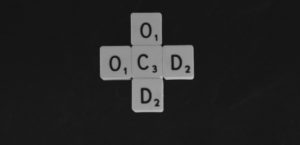
Do You Compulsively Count or Perform Mathematical Operations in Your Head?
Trigger Warning: This can cause a trauma response. When I was little and helpless to escape my abusive environment, my brain formed a rather amazing coping strategy to distract me from the fear...
The Fear of Giving and Receiving Compassion
Many survivors of complex trauma have great trouble receiving compassion from others and have developed complex post-traumatic stress disorder. Somehow, it feels wrong and a trap to allow someone...
Am I a Victim or a Survivor?
Recovery groups, as well as any religious and spiritual groups, like to overuse the words "Victim" and "Survivor" and, it seems, that victims are childish, negative, and difficult adults and,...
What is Complex Post-Traumatic Stress Disorder?
“Complex PTSD comes in response to chronic traumatization over the course of months or, more often, years. This can include emotional, physical, and/or sexual abuses, domestic violence, living in a war zone, being held captive, human trafficking, and other organized rings of abuse, and more. While there are exceptional circumstances where adults develop C-PTSD, it is most often seen in those whose trauma occurred in childhood”.


