Trauma-Informed Blog
New content weekly! Survivor Stories, Research Articles, Poetry, and more written by clinicians, coaches, survivors, and mental health professionals.

Remember...
Important Information About Our Content
Everything you find on this blog, CPTSDfoundation.org, or within our wider digital communities is created for educational and informational use only. No content shared here—whether by our staff or guest contributors—is intended to supersede or replace the clinical relationship you have with your medical or mental health providers. We are here to support your journey with information, but we do not provide medical advice or treatment. Guest opinions are their own and may not represent the views of CPTSD Foundation. Privacy Policy and Full Site Disclaimer, Terms of Service.

The Mental Illness Trigger You May Not Have Heard Of
This article was originally published on The Mighty, in April 2021. I’ve experienced this particular trigger twice in recent years, and I really haven’t heard others speak on it. So, as per my...
One Year In – What I Have Learned as an Alienated Parent
On May 9th of this year, it will have been a full 365 days since I was erased from my daughter’s life. The process of alienating a child from a loving parent often takes years of quietly applied...
Chronic Stress vs. Complex Trauma
Keep in mind that May is Mental Health Awareness Month a time to examine oneself and learn all you can about mental health and how it affects everyone. Stress. What human beings living in this wild...
Diagnosed: CPTSD and Why the Label Matters
Imagine for a moment you were adopted at a young age by loving parents. They were honest with you. Your biological parents existed out there in the world somewhere. When you looked up at the stars...
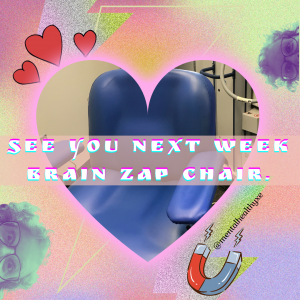
I Tried rTMS and This is What Happened
Repetitive Transcranial Magnetic Stimulation or rTMS for short, has been around for quite a while. It is a mental health treatment that was developed in 1985. It hasn’t entered into mainstream...

Applying the 12-Steps to C-PTSD
When used in conjunction with other treatments like therapy and/or medication, 12-Step programs can be a useful part of C-PTSD recovery. The 12-Steps are taught at group meetings and run in a...
When Art Therapy Becomes Exposure Therapy
Ever have one of those moments when a breakthrough hits you so hard that you’re absolutely stunned that you never saw it before? I was only diagnosed with CPTSD last year, so this has been...
Stress and Complex Post-Traumatic Stress Disorder
Everyone experiences stress at one point or another in their lives. Perhaps you face a new boss at work or a medical problem of your own, or a family member. Countless incidents cause stress....

5 Tips for When Trauma Makes You Clumsy
This article was originally published on The Mighty, on March 24th, 2022 I am a champion face-planter. I am also highly skilled at tripping over nothing, walking into door frames, and tipping things...
Vagus-informed Therapy Creates Conditions for A Person to Heal from Trauma
Vagus-informed Therapy Creates Conditions for A Person to Heal from Trauma The trauma field has seen a sharp increase in interest by researchers and clinicians alike within the past 25 years or so....

It Turns Out Mind-Body Connection Isn’t All Just Nonsense
I have lived most of my life thinking that deep breathing (and all its cousins) were something people had, collectively agreed to B.S. about. Not because they were being malicious, but due to...
Back to Life. Back to…Reality?
This article was previously posted on Medium.com *8/24/2021 Mental health, am I right? Reentering the “real world” after my brain shut down in June has been…interesting. They call it a partial...

What is Complex Post-Traumatic Stress Disorder?
“Complex PTSD comes in response to chronic traumatization over the course of months or, more often, years. This can include emotional, physical, and/or sexual abuses, domestic violence, living in a war zone, being held captive, human trafficking, and other organized rings of abuse, and more. While there are exceptional circumstances where adults develop C-PTSD, it is most often seen in those whose trauma occurred in childhood”.