

What is frozen in time?
Severe, ongoing childhood trauma can cause a person to live with the sense that they are moving through life in a fog. The past overlaps the present. You have no sense of place. You have no sense of the present. You have no sense of time. Decades after leaving your family of origin, emotions do not make sense or connect with reality. You cannot control or regulate them. In my home, I was attacked from both sides. My father, a covert narcissist, ruled with an iron fist—literally. My mother, a borderline, engulfed us with her emotional instability and mental illness. There was no place to turn. The assault on the soul was devastating and total.
I remained in contact with my parents for a long time. Their warped system and abusive demands never changed. I learned to dissociate. When I came near the system, I played their game. When I was away, I functioned the best way I knew how. The problem was, the same survival mechanism that enabled me to live through abuse was the same one that created the feeling of being frozen in time.
How Does This Happen?
Let me see if I can illustrate. A house in our neighborhood burned to the ground, and construction to rebuild continues. I noticed the plumber beginning work today. The outside of the house looks perfectly fine, but the inside is still gutted and covered with black soot. No one looking from the outside would have any idea how much work still needs to be done. Being frozen in time is an inside problem. My inner life was torched, and though on the outside, I seemed fine, trauma had frozen my emotions at the point of impact.
Why Does This Happen?
Ordinary experiences get stored in the brain’s “timeline” (hippocampus) and feel like “that happened back then.” Trauma overwhelms that system and instead stores memory in the amygdala and body as raw sensation, emotion, and image. Because trauma memories are not stored in a linear fashion, when triggered, the body doesn’t recall the past — it relives it as present.
Our survival brain has no clock. The nervous system isn’t built to timestamp danger. If something felt life-threatening at age five, the body carries it as “still happening now.” That’s why I feel something that happened thirty years ago as vividly as if it happened today. Until I began to heal, I moved through life as if no time existed at all.
Trying to Make Sense of Chaos
Another aspect of feeling “frozen in time” is repetition and ruminating, feeling stuck and unable to let go of events. I often returned (consciously and unconsciously) to the past to “work it out.”It’s like the mind circling the scene, searching for meaning, hoping that if you replay it enough times you’ll finally feel resolution. Living in the past can also be a way to manage the unbearable present. If “now” feels unsafe, retreating to “then” feels paradoxically familiar, even if it is painful.
The Healing Truth
What my parents communicated was not the truth — it was their own shame and distress projected onto me. They were cowards. Instead of taking responsibility for their own lives, they used coercion and blame in order not to have to face their own pain. Working toward integrating the different parts of dissociation allowed me to reclaim the core my parents tried to erase: the self they told me had no right to exist. Trying to understand what happened, working out grief and feelings of terror takes a long time. There were days when I thought I would not make it—but I did. Is it ever over? I will never be the person I would have been had abuse not marred my life, but I have gotten to the place where peace and joy are possible and where understanding melds with healing. I can defy trauma and embrace joy. You can get there too.
For more from this author or to sign up for a free newsletter, go to: https://rebekahlaynebrown.com/
Photo by Justin Kauffman on Unsplash
Guest Post Disclaimer: Any and all information shared in this guest blog post is intended for educational and informational purposes only. Nothing in this blog post, nor any content on CPTSDfoundation.org, is a supplement for or supersedes the relationship and direction of your medical or mental health providers. Thoughts, ideas, or opinions expressed by the writer of this guest blog post do not necessarily reflect those of CPTSD Foundation. For more information, see our Privacy Policy and Full Disclaimer.


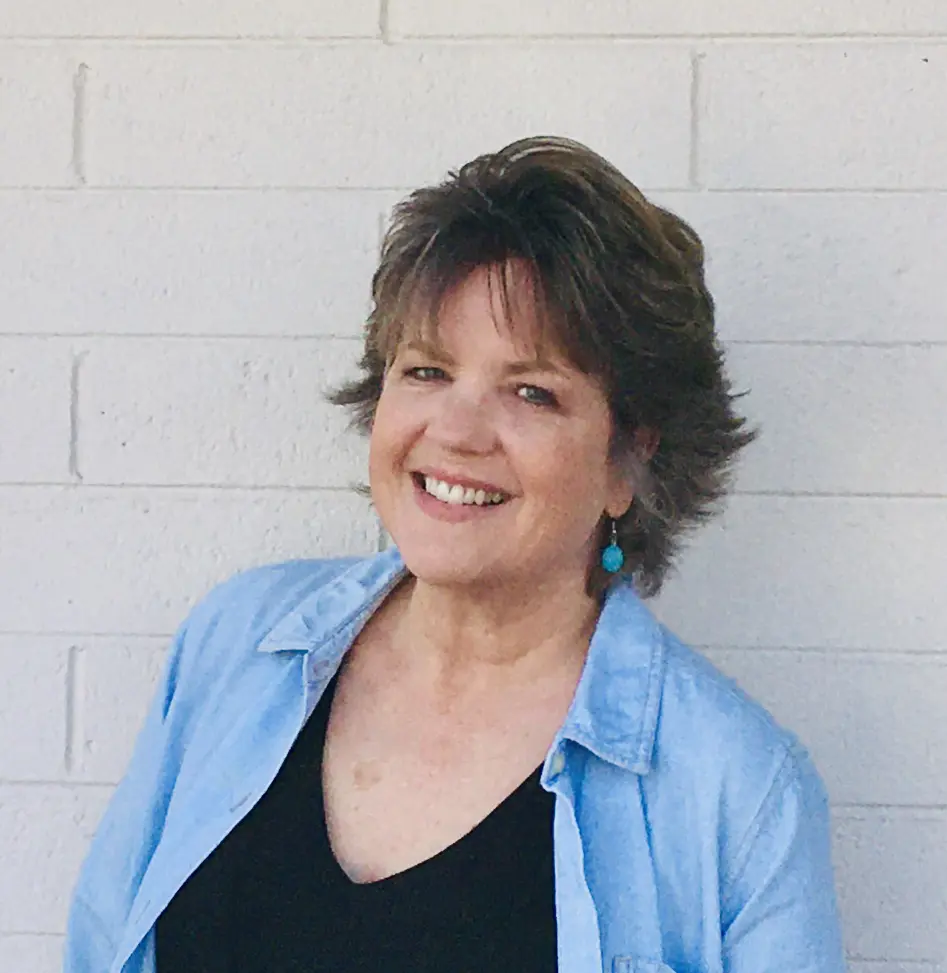
Rebekah Brown, a native of the south, now resides in the Great American West. Surviving a complicated and abusive family system makes her unique writing style insightful as well as uplifting. Rebekah is the proud mother of two and grandmother of four.














Wow, this is beautifully written! Thank you for sharing what so many of us experience.
The title “ Frozen in Time “ makes you literally stop in your tracks!
This is where I’m at and what’s happening to me. Thank you so much for sharing your experience and helping us gain knowledge to improve ourselves
Thank you for putting into words what I have felt….so important to know I am not alone… I have been training to put my hurt into paintings…
This is so accurate to my experience. I don’t have a sense of time passing in a normal way. I am triggered so often that I often feel like I’ve just woken up from a long dream and I’m surprised I’m so much older.
Hard to explain that- what you wrote explains it well.