Do you believe that we are put on this earth for a reason? You don’t have to be “spiritual” to believe. I believed in something more when I was growing up. It was my way of surviving my childhood as a sex offender’s daughter. I realized my dream and broke away from trauma, but my ride to freedom has been far from easy.
We hear about trauma this and trauma that. The word trauma is used so much that it’s almost lost its true meaning. If you have been affected by real trauma, you know how much it hurts.
Trauma doesn’t go away on its own. Trauma doesn’t just stop existing once the traumatic events have ended.
Trauma carries on long after it happened.
In the case of PTSD, or Complex PTSD, triggers can keep following survivors 24 hours a day. I know this by personal experience–I’ve lived it. And you might be living like this, too, right now, or know someone who is.
News and media report traumatic events like popping corn. Story after story is broadcast to the world about one horrific event after another.
Who reports on the aftermath? Does anyone care anymore? Who is bold enough to stand up and talk about trauma victims after a harrowing event? Not many of us. We hear nothing but crickets. Radio silence. Yet, there are those of us who live with trauma every single day. That is why I write–because our voices matter. Everyone matters.
For many trauma survivors, it is a struggle to get through a single day, because that trauma impacts how people carry out even the simplest daily tasks. It is hard to connect with other people.
Survivors who have suffered from prolonged trauma (over months and years) are more prone to struggle with regulating emotions.
For example, a small passing comment or a certain tone of voice can trigger an involuntary flashback that can derail an entire day. We don’t talk about it because we can’t. It’s too painful and, even if we could, it’s private. Instead, trauma survivors nod and agree even when we are screaming inside. We abandon ourselves to please others and keep things going. We push far past our own boundaries. But there is no one to stand up for us and help, because no one sees our struggles. It feels like nobody cares. We become invisible.
Trauma survivors don’t exist in the world: we get tucked away in the news— buried by noise.
Who decides what’s important?
Breaking Free
I’m a trauma survivor, and I escaped childhood abuse and harrowing trauma. I was a teenager when I left everything I knew and started again.
After a life riddled with abuse, survivors usually have no idea how to live and take care of themselves–or how to be around other people.
Social events are awkward, and even a visit to the food market can be frightening because we are reminded of the threats from our abusers. The echoes of trauma still ring loud and clear inside our heads. Even though we have broken free, that “voice” is still in our minds, dictating our every move.
It can take years for this voice to go away. I realized quickly that if I was to survive alone in this world, I had to start thinking of myself first. So, how do you do that when you have never before been in control of your own life? I soon discovered that living free gave me my answers over time. It was a matter of survival.
Taking Back Control
I was an avid reader and enjoyed watching movies and people. I could sit on a park bench for hours observing others, taking invisible notes of how people behaved. It fascinated me to see how they interacted, and reacted to things–and to each other.
Watching people like this gave me ideas about how others socialized without the presence of abuse. I have always been hyper-vigilant, and I learned to put my skills to good use.
I noticed that people did not shout hurtful words at each other. Parents hugged their kids instead of being cruel, and there were no raging insults or fights. Something stirred within me–curiosity, mixed with desire.
I started to hope that the world was really like this. The more I saw affectionate and smiling people, the happier I became. I started smiling, even though I still felt emotionally raw.
With each passing day, I set myself small goals to achieve. These were goals that may have seemed silly to someone who has had free will, but to me, they were enormous. I started being more mindful of my body, and once a day I tried to just sit and breathe.
It may seem weird that such a small change would help, but it turned my life around. By paying attention to my body, I was able to notice when I was tense–or relaxed.
Once I had a feel of what tense and relaxed “felt like,” I could do something about it and follow through appropriately with what needed to be done next. I had been doing “research” by watching others, to see how someone might act. This helped me understand that I could actually choose how I felt, and not just let trauma-related reactions overwhelm me and take over.
Setting Goals
One of my first goals was to never go hungry again. I also promised myself that I would try to eat the best I could with the money I earned. I would choose carefully to eat foods I enjoyed, while making sure I had a balanced meal. I introduced more vegetables and fruit into my diet, and I started to feel more energy. Better nutrition made me feel good, and I noticed I didn’t get sick as much.
My second goal was to shower every day because it made me feel better. I took time to shampoo my hair, and I allowed myself to stay under the water for as long as I wanted. My complexion started to change quickly. My skin was looking less grey, and I had a new brightness in my cheeks.
My third goal was to buy myself better-fitting clothes so that no one would tease me anymore. I bought jeans and shirts that fit my body type. I also got a few more pairs of shoes so that I had choices, and could have shoes for exercising that were different from my shoes for work.
These three simple changes may seem silly and basic to someone who has not been abused. Yet, for me, these changes signaled the start of my life as a free woman. I took responsibility for my choices, learned to prioritize what I needed, and woke up to life beyond just survival. I felt great.
We don’t have to let trauma make our decisions for us. There are small–and very effective ways–to start taking our power back right now.
My name is Lizzy. I’m a trauma survivor, a wife, a mom, a teacher, and an author.
For more about me: www.elizabethwoodsauthor.com
Support your fellow writer:
https://ko-fi.com/elizabe69245484here.
Here are a few links to my top articles:
How to Explain Complex PTSD to Loved Ones
https://medium.com/illumination/how-to-explain-complex-ptsd-to-loved-ones-769f81d437ab
Looking for a Change?
https://medium.com/activated-thinker/looking-for-a-change-f391e85abbd7
A Search for Identity
https://medium.com/beyond-lines/a-search-for-identity-893df7c970c2
Are You Searching for Peace?
https://medium.com/illumination/are-you-searching-for-peace-cd54d76231c8
Are You Dealing With Burnout?
https://medium.com/illumination/are-you-dealing-with-burnout-374f774141b4
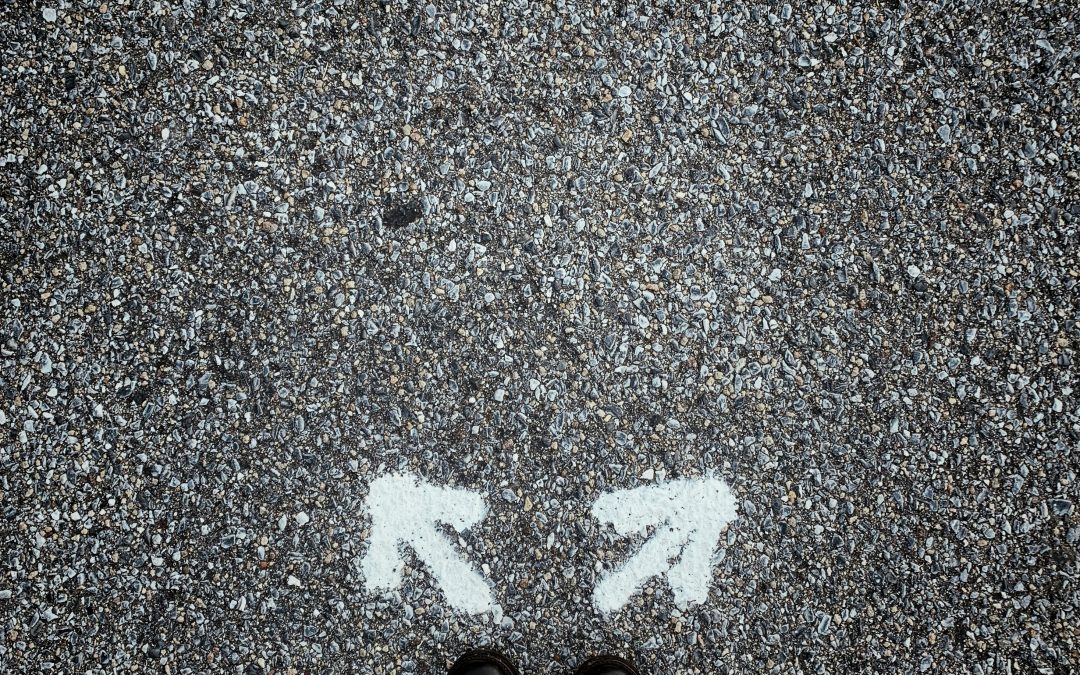
Photo by Jon Tyson on Unsplash
Guest Post Disclaimer: Any and all information shared in this guest blog post is intended for educational and informational purposes only. Nothing in this blog post, nor any content on CPTSDfoundation.org, is a supplement for or supersedes the relationship and direction of your medical or mental health providers. Thoughts, ideas, or opinions expressed by the writer of this guest blog post do not necessarily reflect those of CPTSD Foundation. For more information, see our Privacy Policy and Full Disclaimer.


For more about me: https://www.elizabethwoodsauthor.com
Elizabeth Woods grew up in a world of brutal sex offenders, murderers, and inconceivably neglectful adults. Elizabeth is passionate about spreading awareness of what it is like to survive after trauma. She is the author of several books and has written her memoir, telling her childhood story: The Sex-Offender’s Daughter: A True Story of Survival Against All Odds, available on Amazon Kindle and paperback.
Elizabeth is also the author of “Living with Complex PTSD” and the Cedar’s Port Fiction series: “Saving Joshua”, “Protecting Sarah”, “Guarding Noah” and “Bringing Back Faith,” and “Restoring Hope,” available here: https://www.amazon.com/stores/author/B0BCBZQN7L/allbooks?ingress=0&visitId=7e223b5b-1a29-45f0-ad9d-e9c8fdb59e9c&ref_=ap_rdr&ccs_id=931f96e2-c220-4765-acc8-cc99bb95e8bd