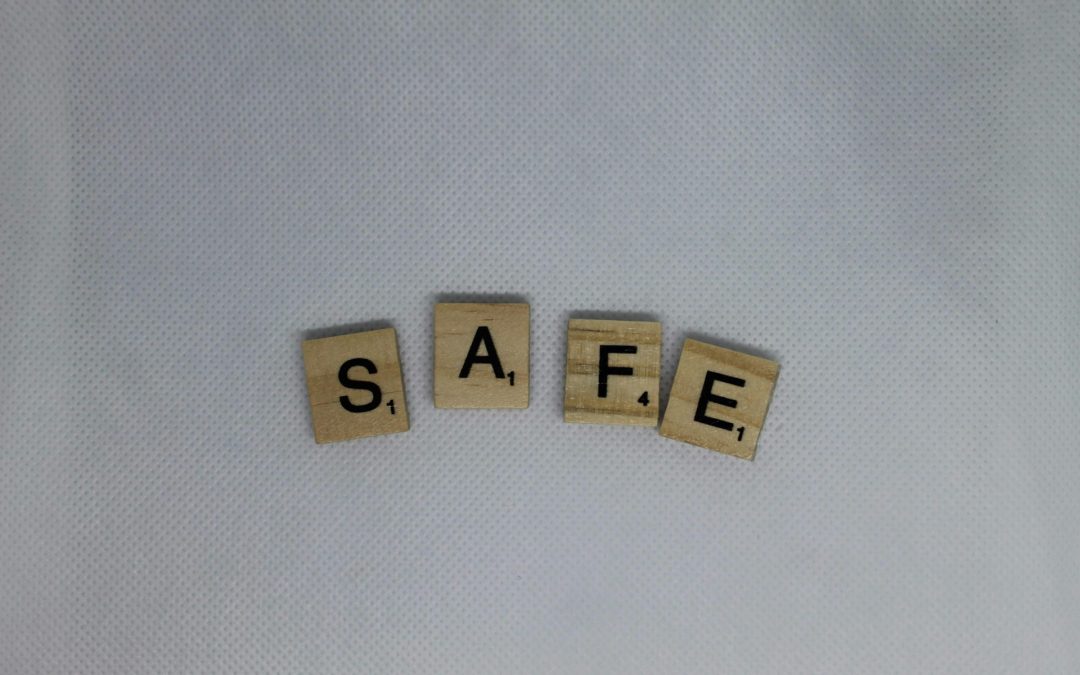
What does it actually mean to be safe?
I recently had the great joy of connecting with Stacey Fitzgerald. She is a Certified Nutritionist, Somatic Breathwork Practitioner, Trauma-Informed horse trainer, Singer/Songwriter, Wife, Mother, and Creator of Becoming Safe–an online course and community for healing through all forms of betrayal trauma.
As soon as we started talking, I just knew I had to introduce you to her. I even had the chance to attend her amazing breathwork workshop, which was soothing, healing, and eye-opening!
RACHEL: What inspired you to start writing about/exploring this topic?
STACEY: In February 2021, I had what I call my Breakdown/Breakthrough, which was a resurfacing of unhealed and undiagnosed Complex PTSD. I was so rocked in my body, especially because I had done a lot of study and had a reasonably deep head knowledge of what I thought it was to “be well.”
I realized, through my own experience, even though I had processed it in my mind, was still stored in my body and had been coming out through my songwriting for decades!
And it was showing itself through severe panic attacks and debilitating physical symptoms.
I began a deeper study of all things nervous system and trauma, adding to my head knowledge, and then really finding and DOING the things for my body that helped to move the needle from knowing to being.
RACHEL: What key insights or lessons have you learned through your experiences with this subject?
STACEY: One of the questions I heard posed early on from an expert I was listening to was, “When in life have you FELT SAFE?” I found myself feeling stunned–I wasn’t really sure what was meant by “safe,” and I was quite certain that I had never really felt that way!
A key insight from that point was how we needed to REGULATE our nervous system before we process trauma. I realized I had been processing in my head, but not regulating my body. Regulation before processing is key!
The other key insight has been that our nervous system is not our enemy, even when it feels like it is! It is actually doing exactly what it was designed to do, which is keep us alive, and alert us that it needs our attention. We are not broken, rather, we are functioning exactly as intended.
The missing piece was understanding the language of the nervous system, and how to listen and respond to it.
Our body knows the way home, and when we learn to listen, and become friends with our nervous system, the way back to our true self becomes much clearer.
RACHEL: What might you tell someone who is just beginning to work on healing trauma?
STACEY: It’s easy to say, but perhaps the hardest to commit to: you just cannot give up.
No matter what life throws at you, no matter what kind of break you might take from your healing, and whatever trouble you might get into because of that break, you have to come back to pursuing personal joy and ultimate peace.
My experience is that overcoming trauma and abuse comes down to accepting that while it was bad and horrible and wrong,it did happen. I learned to accept that it happened withoutcondoning that it happened.
So, how does a person do that? I think that one’s addictions are the easiest place to begin because there’s a free, accessible process: 12-step programs. These days, many good books you’ll come in contact with while working the steps include addressing childhood trauma. The best one I’ve reads is called Iron Legacy by Dr. Donna J. Bevan-Lee.
If you want to learn about recovery through written exercises and reading personal essays, get Iron Legacy. If you want to learn about it via story, get my book!
RACHEL: What challenges or misconceptions do you think people face when dealing with this topic, and how can they overcome them?
STACEY: I think many people feel like something is “wrong” with them–that they are alone, crazy, and broken. This misconception can lead to utter hopelessness, depression, or anxiety, and can cause serious health issues among many other uncomfortable and debilitating effects.
Knowing that the answer is closer than they realize brings hope and a sense of security to someone who may have been feeling really lost for a long time.
Another challenge is that others in their life may not understand what they are going through, so their efforts to “help” can often be more harmful than supportive, and lead to further disconnect, loneliness, and confusion.
Connecting with a program, a person, or a community that gets them (someone who understands what they’re going through, and how to take steps back to feeling safe) can be a lifeline in a sea of chaos!
RACHEL: Are there any common myths or misunderstandings about this topic that you’d like to address?
STACEY: The word itself–SAFE–can have multiple meanings and implications. For instance, “playing it safe” can infer that someone is hiding or holding back. And feeling “unsafe” can mistakenly be attributed only to physically dangerous situations, circumstances, and people.
When I refer to BEING SAFE, I’m talking about a felt sense of being at home in your own body, able to be calm and alert at the same time, and having a nervous system that can handle the stresses of life and then return to a restful state when needed. It’s about having CHOICE and not being STUCK in patterns of disfunction.
When I say that you can BE SAFE, I use the letters as an acronym to describe how it feels: Secure & Stabile, Awake/Aware/Alive, Free from…and Free to… (fill in the blanks), and Expansive–able to grow, learn, explore, and step into the fullness of what it means to be YOU!
Now who doesn’t want to be SAFE when viewed in that light!?
RACHEL: What resources, tools, or next steps would you recommend for readers who want to dive deeper into this topic?
STACEY: I highly recommend learning about how your nervous system functions and what it’s doing for you. This means developing a regular practice of working with your body (physiology & nervous system), soul (mind/thought, emotions/feelings, will/choices), and spirit (your breath and connection to Breath/Spirit).
I offer an online course and community that contains all of that called Becoming Safe, as well as a rich resource section with connections to other people and sources like the work Rachel does.
I also offer a 90 Day daily somatic practice journey called “The Doing,” which is a great way to gently work with your nervous system and learn it’s language, developing a trusting friendship that serves you daily, as well as Somatic Breathwork Sessions designed to do the “deep” cleaning of clearing out what no longer serves us, and re-wiring into how we want to feel and show up.
Both of those offerings, as well as links to my Facebook pages and YouTube channels can be found on my website: onpurposeinternational.org
—
To your healing,
Rachel

P.S. If you’re ready to take the next step in healing from abuse and would like to explore enrolling in the Beyond Surviving program, start by applying for a Discover Your Genuine Self Session.
Photo Credit: Unsplash
Guest Post Disclaimer: This guest post is for educational and informational purposes only. Nothing shared here, across CPTSDfoundation.org, any CPTSD Foundation website, our associated communities, or our Social Media accounts, is intended to substitute for or supersede the professional advice and direction of your medical or mental health providers. The thoughts and opinions expressed are those of the guest author and do not necessarily reflect the views of the CPTSD Foundation. For further details, please review the following: Terms of Service, Privacy Policy and Full Disclaimer
- About the Author
- Latest Posts
Rachel Grant is the owner and founder of Rachel Grant Coaching and is a Sexual Abuse Recovery Coach and M.A. in Counseling Psychology. She is also the author of Beyond Surviving: The Final Stage in Recovery from Sexual Abuse. Based on her educational training, study of neuroscience, and lessons learned from her own journey, she has successfully used the Beyond Surviving Program since 2007 to help survivors of childhood sexual abuse who are beyond sick and tired of feeling broken and unfixable break free from the pain of abuse and finally move on with their lives.