Trauma-Informed Blog
New content weekly! Survivor Stories, Research Articles, Poetry, and more written by clinicians, coaches, survivors, and mental health professionals.
Remember...
Important Information About Our Content
Everything you find on this blog, CPTSDfoundation.org, or within our wider digital communities is created for educational and informational use only. No content shared here—whether by our staff or guest contributors—is intended to supersede or replace the clinical relationship you have with your medical or mental health providers. We are here to support your journey with information, but we do not provide medical advice or treatment. Guest opinions are their own and may not represent the views of CPTSD Foundation. Privacy Policy and Full Site Disclaimer, Terms of Service.

How Collaging Brings Me Peace, Confidence, and Empowerment
It’s a gloomy winter evening, my seasonal depression is at its worst, and I’ve just finished a difficult day at work. What’s keeping me together? Ripping, cutting, arranging, and gluing pieces of...
11 Reasons to Never Be Embarrassed About Anything You Did as a Kid
Your day's going fine until BAM! You crumble in shame over a dumb thing you said when you were 15. Let's talk about "shame flashbacks", how they haunt complex trauma survivors, and how to break...

A Feeling Like No Other… Believe it, then achieve it.
It’s official, my MFA is in the bag. I did it! I have achieved a Master’s degree in Writing. It’s a dream come true for me. Something I could only dream about over the years. My dream started when I...

Freedom To Feel
There is a quiet longing many recovering from CPTSD carry: the desire to feel free again. Not to be overwhelmed by emotion, not to shut it down, but to feel without fear of what might happen inside....
“I’ve Forgotten How to Live a Normal Life”: Understanding Functional Freeze After Trauma
When basic tasks drain all your energy and what seems easy for others feels impossible for you, this isn't weakness. It's your nervous system protecting you. Here's why it happens and how to heal....

Who Do You Look Up To? The Importance of Role Models for Survivors of Child Abuse
My name is Elizabeth, and I am a survivor of sexual abuse and trauma. I endured things, terrible things when I was growing up. I was just a young sprout, but my lack of years and stature failed to...
What does it actually mean to be safe?
I recently had the great joy of connecting with Stacey Fitzgerald. She is a Certified Nutritionist, Somatic Breathwork Practitioner, Trauma-Informed horse trainer, Singer/Songwriter, Wife, Mother,...
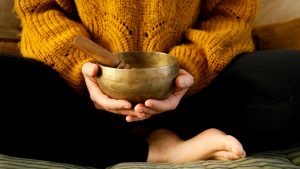
I Am Not Afraid To Fall Asleep
Driving home, I couldn’t contain my excitement. Tonight, I told myself, I’m going to have the best sleep of my life. I had saved up a few hundred bucks to purchase a singing bowl. I had...

When Sobriety Exposes Trauma
A survivor-centered explanation of why detox and sobriety can feel psychologically harder when trauma has been muted for years. The piece separates physical stabilization from trauma treatment and explains why adaptation does not look the same in every survivor.
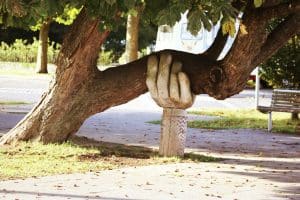
Who is Your “Person”? It takes a village to raise a child… But What About Adults?
It’s important to recognize that you cannot go through life as easily on your own. My name is Elizabeth, and I’m a survivor of child abuse and horrific trauma. Healing from trauma is not a quick...

Trauma, Trauma, trauma… But does the world know what it truly means?
Trigger Warning: This post discusses various types of traumatic events, how the body responds, and how, at times, society can misuse the word "trauma," therefore potentially minimizing its effect on...

JOURNALING. Thoughts on expressing one’s feelings.
It was over 30 years ago when I found myself barely clinging to life. After suffering a mental breakdown and attempting suicide, the world I faced was nearly incomprehensible from where I could have...
What is Complex Post-Traumatic Stress Disorder?
“Complex PTSD comes in response to chronic traumatization over the course of months or, more often, years. This can include emotional, physical, and/or sexual abuses, domestic violence, living in a war zone, being held captive, human trafficking, and other organized rings of abuse, and more. While there are exceptional circumstances where adults develop C-PTSD, it is most often seen in those whose trauma occurred in childhood”.