Trauma-Informed Blog
New content weekly! Survivor Stories, Research Articles, Poetry, and more written by clinicians, coaches, survivors, and mental health professionals.

Remember...
Important Information About Our Content
Everything you find on this blog, CPTSDfoundation.org, or within our wider digital communities is created for educational and informational use only. No content shared here—whether by our staff or guest contributors—is intended to supersede or replace the clinical relationship you have with your medical or mental health providers. We are here to support your journey with information, but we do not provide medical advice or treatment. Guest opinions are their own and may not represent the views of CPTSD Foundation. Privacy Policy and Full Site Disclaimer, Terms of Service.

Busyness as a Coping Strategy
Today, I am writing from the messy middle. You know the place. It is when you are in the middle of working through something difficult, and you are still trying to figure it out. That is where I...

Why Are Dysfunctional Families So Oppressive?
Unsaid expectations, insults and impossible situations set the stage for heavy oppression

She Was My Best Friend
Once you come to your senses... Sarah and I kept in close contact after they moved, and I expected her support when I finally made the decision to leave my marriage. I was wrong. I had fallen in...
The Addiction to Soft Drinks
Did you know that soda can be addictive? Soft drinks look harmless and are drunk by millions of people worldwide. Soda has been thought of as a benign substance meant to be enjoyed and served at...

Compassion and Empathy in the Age of AI
I’m a professional writer, a ghostwriter. The current buzz creating controversy in writer circles is ChatGPT, artificial intelligence. It’s an amazing tool, but it does have weaknesses....
Brainspotting and Traumatic Reenactment
My therapist and I recently ventured into the therapy modality called brainspotting. We have been using EMDR with some success to help me process the trauma from my childhood. As we began to work...

CPTSD and Online Games with Hawks and Doves
Content warning: I'm going to say some things that people might find, not nice. You have been warned, and your comments will be monitored. Today's topic is rather hard for me to define upfront...
Sinking Into Support
I just returned from traveling on business, where I facilitated an offsite for a project I am working on. My boss and co-workers accompanied me, and it turned out great. While there, I had an...
Sugar Addiction
You have probably heard of addictions to alcohol, work, and prescription drugs, but have you ever considered addiction to sugar? Sugar addiction is a real problem, especially in the developed...

Honouring the Darkness
TRIGGER WARNING: This blog discusses childhood trauma. As the cold winter darkness seems to never end, we all feel the need to slow down and to cosy up inside until spring. Unfortunately, we...
Are You Showing Up As The Leader You Want to Be?
“You are not showing up like the leader you want to be.” That is what a courageous co-worker told me after three months of swirling in a dissociative trauma response. It was true, but it was...
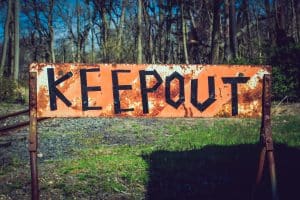
Relatives Who Do Not Respect Boundaries
Relatives who do not respect boundaries I'm a survivor of CSA and horrific trauma. The law in most of the world states that you are not an adult until you turn 18. It means that until then, you...

What is Complex Post-Traumatic Stress Disorder?
“Complex PTSD comes in response to chronic traumatization over the course of months or, more often, years. This can include emotional, physical, and/or sexual abuses, domestic violence, living in a war zone, being held captive, human trafficking, and other organized rings of abuse, and more. While there are exceptional circumstances where adults develop C-PTSD, it is most often seen in those whose trauma occurred in childhood”.


