Trauma-Informed Blog
New content weekly! Survivor Stories, Research Articles, Poetry, and more written by clinicians, coaches, survivors, and mental health professionals.
Remember...
Important Information About Our Content
Everything you find on this blog, CPTSDfoundation.org, or within our wider digital communities is created for educational and informational use only. No content shared here—whether by our staff or guest contributors—is intended to supersede or replace the clinical relationship you have with your medical or mental health providers. We are here to support your journey with information, but we do not provide medical advice or treatment. Guest opinions are their own and may not represent the views of CPTSD Foundation. Privacy Policy and Full Site Disclaimer, Terms of Service.
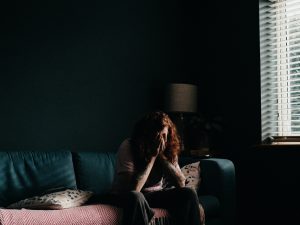
Creating a New Family After Childhood Abuse
***TRIGGER WARNING*** This article specifically discusses childhood sexual trauma. Survivors of childhood abuse and trauma are often conflicted about family life. It is after all difficult to...
George & Tammy, We’ve Come A Long Way
I recently watched “George & Tammy” on SHOWTIME®, (incredibly well done!). It made my heart ache to watch it. The pain of two people struggling through addiction with seemingly no understanding...
Family Estrangement: Going No Contact
People with complex post-traumatic stress disorder (CPTSD) or living in other distress usually come from dysfunctional homes. These survivors have endured many traumas perpetrated by their family...
Dual Awareness – The Body Has a Story to Tell
I often work with patients who have a difficult time thinking about what they feel as well as having the felt experience of emotions. I often encounter patients who are more than willing to share...
Planet Alien: Shattered Hearts. Silenced Voices.
This blog originally appeared at https://powerfullypowerless.wordpress.com/2020/11/04/planet-alien-shattered-hearts-silenced-voices/ You still don’t see me, not really.You know I exist.Yet, I am...
What is Meditation? (And How it Can Help Trauma Survivors With Life Management)
The last thing I wanted was to listen to all the horrific noise inside my head.
Shake, Rattle, and Roll: Because You Are a Girl
At 14 and 16 years old, the boys had hit their growth spurt and had man bodies.

Choosing Love Over Fear
” When we look at the world from the eyes of love we become its student. Every situation is an opportunity to learn, every situation is an opportunity to choose ourselves and choose wholeness.”
Four Ways to Really Take Care of Yourself in The New Year
As the world starts a new year, we start a new day — and every day is an opportunity for growth and change. Every day is a good day to take care of ourselves. You don’t have to start on January...
Enhancing a Man’s Self-Esteem to Prevent Suicide
Suicide has become prevalent in the United States, with men dying nearly twice as often as women. One of the greatest causes of suicide among men is society's damage to their self-esteem. This...
Trauma and its Effect on the Brain
Have you ever been curious about why and how you react to events and other things that are different from your friends? As a CPTSD survivor, I started questioning why I am the way I am in certain...
Life Management Skills For Trauma Survivors
That breathless careening dash through life is a direct result of trauma laid down in the early years of childhood.
What is Complex Post-Traumatic Stress Disorder?
“Complex PTSD comes in response to chronic traumatization over the course of months or, more often, years. This can include emotional, physical, and/or sexual abuses, domestic violence, living in a war zone, being held captive, human trafficking, and other organized rings of abuse, and more. While there are exceptional circumstances where adults develop C-PTSD, it is most often seen in those whose trauma occurred in childhood”.