Trauma-Informed Blog
New content weekly! Survivor Stories, Research Articles, Poetry, and more written by clinicians, coaches, survivors, and mental health professionals.

Remember...
Important Information About Our Content
Everything you find on this blog, CPTSDfoundation.org, or within our wider digital communities is created for educational and informational use only. No content shared here—whether by our staff or guest contributors—is intended to supersede or replace the clinical relationship you have with your medical or mental health providers. We are here to support your journey with information, but we do not provide medical advice or treatment. Guest opinions are their own and may not represent the views of CPTSD Foundation. Privacy Policy and Full Site Disclaimer, Terms of Service.
Heartfelt Wishes for Healing, Compassion and Safety in the New Year
You and I have endured yet another year experiencing the impact of global trauma. We all need healing, hope, and compassion more than ever! In everything we do at Brickel and Associates, our goal...
Seven Ways to Find Your Inner Peace
As an adult child of an alcoholic, the quiet in my household was most likely always followed by chaos. The thing I craved the most as a child was peace. The uneasy feeling of impending doom...
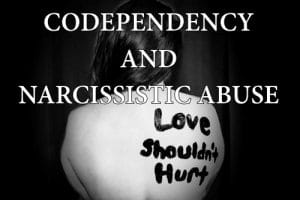
Codependency and Narcissistic Abuse
Many of us have heard of codependency and narcissism. Codependency is when two people are locked in a life where they feed off on another, causing mental anguish. Narcissism is when one of the...
PTSD: Your Condition is Not Your Conclusion
The power of meta-cognition You have no clue when or how but, somehow you have slid into this odd air bubble filled with millions and millions of thoughts still, a deafening silence is what you...

Valuable Moments in Time
We can know we are safe and still not feel safe? We come into the world wired for connection and safety. How do we shift from the appearance of safety to the experience of this at a neurological...

Building a Better Future for Yourself Today
In this series, we have discussed how to make better memories to lessen the impact of those that are trauma-based and very unpleasant. The holidays are the perfect time to build new memories by...
Changing Cognitive Distortions to Make Good Memories
Survivors of complex trauma often see the world as a horrendous place where there is only pain and sorrow. It is very difficult for people like us to step back and see the trees for the forest....
This Missing Love Language Is the One Trauma Survivors Need Most — Safety
So many relationship experts have embraced the idea of love languages. They became popular with Gary Chapman’s 1992 book, The 5 Love Languages, for the ways partners show love and care: acts of...
How to Ebrace Hope, After the Holidays
It’s no earth-shattering revelation that the holidays are a tough time for so many. For survivors, in particular, all of our emotions are compounded amidst the joyous season that’s supposed to be...
The Trauma May have Started at Childhood, But it Doesn’t End There
Almost a year ago, I was invited to guest write in this forum, after releasing my book. For almost a year I have had this page bookmarked. I've seen it every day, but the intense fear of...

Preventing Relapse After Trauma
The most challenging part of recovery for many is learning to cope with life again. Trauma comes in many shapes and sizes. A break-up, the loss of a job, or even a fight with a friend can all...
The Vital Importance of Peer Support Specialists
In the last twenty or so years, a new profession has taken root, one that can ease some of the tremendous workloads of mental health professionals. I'm talking about peer support specialists and...

What is Complex Post-Traumatic Stress Disorder?
“Complex PTSD comes in response to chronic traumatization over the course of months or, more often, years. This can include emotional, physical, and/or sexual abuses, domestic violence, living in a war zone, being held captive, human trafficking, and other organized rings of abuse, and more. While there are exceptional circumstances where adults develop C-PTSD, it is most often seen in those whose trauma occurred in childhood”.


