
I Am Not Afraid To Fall Asleep
Driving home, I couldn’t contain my excitement.
Tonight, I told myself, I’m going to have the best sleep of my life.
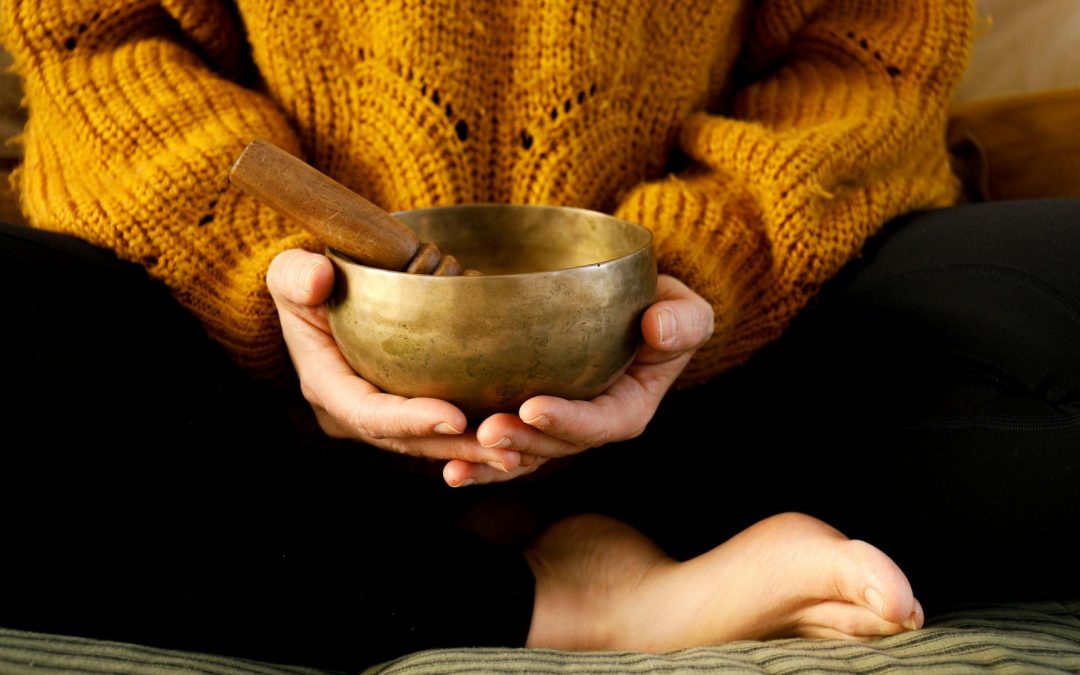
I had saved up a few hundred bucks to purchase a singing bowl. I had heard they’re miracle workers for people with sleep issues, and I just knew I had to give it the ol’ college try.
I blocked out a Saturday afternoon to drive to a metaphysical store in the big city to pick out the perfect singing bowl. I spent about an hour testing dozens of bowls, allowing my body to feel the frequency of each sound to determine which one was the right fit. After completing my rounds, there was one that kept calling my name. I grazed the mallet around the bowl one last time. It felt like music to my ears.
That night, the only thing on my bedtime agenda was to relax. I put away all my screens and spent the evening cooking, cleaning, painting, and reading to calm my nervous system. I concluded the night with some restorative yoga poses. I fought back trauma responses to the flashbacks, but they were manageable.
My singing bowl symphony
It was time to begin my bedtime symphony in hopes that tonight would be the first time in ten years I would sleep more than three hours without sleep paralysis or night terrors.
I turned the lights down low, lit a candle, folded my fuzzy blanket onto the floor, and got comfy, straddling the singing bowl between my thighs. I lifted the mallet with my right hand and took a deep breath, letting it out slowly.
I tapped the mallet on the side of the bowl and began to circle it around the rim gently, allowing the healing frequency to seep into every pore of my body. What had initially sounded like music to my ears at the metaphysical store was starting to feel a little intense as the flashbacks began to rile up. Still, I decided to sit with it.
You spent three hundred bucks on this thing, Natalie. See it through, I reminded myself.
I continued to play softly, but the flashbacks weren’t having it. They began to scream louder than the bowl could sing, and my body began pulsing with rage. The soothing sounds of the singing bowl must have been too beautiful for the flashbacks to handle, and they got jealous. They clearly weren’t going down without a fight.
I screamed in agony as I battled the trauma responses festering in my body. Finally, I had had enough. My body impulsively carried out one final jolt: my right arm darted forward with a violent, uncontrollable punch, like I was chopping a tree stump in half with an axe. The mallet struck the edge of the bowl, shattering it into a million pieces.
The mess I made
I sat dumbfounded at the mosaic I had created between my crotch and my feet. After about fifteen seconds of pure shock, the wave of self-punishment began. I hurled obscenities at myself, scolded myself for my lack of control, and listed all the other things I could have spent those three hundred bucks on.
The flashbacks now lay on the floor, transformed into tiny glass particles sparkling before my eyes. With each glimmer of light, I felt them mocking me. I could hear their taunting laughter and see their evil eyes in the shards, reminding me that I would never be free of them, no matter how hard I tried.
I gingerly picked up one of the miniscule particles and caressed it between my thumb and index finger. A tear fell onto it, and I tossed it back into the sea of mockery and hopelessness.
“You win again, flashbacks,” I muttered.
Picking up the pieces
With trembling hands, I managed to push myself up, but I quickly lost my balance. My thigh scraped against the glass, and dozens of shards embedded themselves in the fabric of my leggings. I screamed again.
I trudged to the bathroom to grab my tweezers, but after just a few steps, I realized that more glass was stuck in the soles of my feet. I screamed once more and collapsed onto my hands and knees, crawling on all fours until I reached the toilet. The sensory overload was unbearable. I puked out my only meal of the day.
Finally feeling a release, I spent the next hour on the bathroom floor, tweezing out the microscopic glass particles from my feet as tears flooded the floor around me.
The next morning
The first thing on my to-do list the next morning was to purchase a sack of potatoes at the farmer’s market.
When I got home, I sliced each potato in half, got down on my hands and knees, and rubbed the mushy side of the potato against the cabin floor, picking up every glass shard, no matter how small. As I vacuumed and mopped, I felt bummed. It was time to go back to the drawing board.
The painful sleep that comes with CPTSD
As a child, I never had any sleep issues. However, when my CPTSD symptoms began around age 13, my sleep started to deteriorate. For over a decade, I battled severe sleep issues: insomnia, sleep paralysis, night terrors, and narcolepsy. I absolutely dreaded going to bed each night. In fact, I hated sleeping more than I hated being awake.
My trauma manifested in extreme ways during my sleep, often worse than the flashbacks I experienced at every second of the day. I managed to get through my waking hours by drinking eight cups of coffee, which only skyrocketed my anxiety. Even after episodes of sleep paralysis, I would eventually wake up and try to go back to sleep, but the cycle would continue. At one point, my night terrors were so intense that I had to set a 15-minute alarm to wake myself up, reset it, and then try to sleep again, terrified of the next round of torture. This cycle kept my nervous system in a constant state of hypervigilance during a time when I should have found refuge from the world.
Over the years, I consulted numerous sleep doctors and psychiatrists in my quest to restore my sleep to its natural state. I begged my doctors for answers, asking why the meds weren’t working. They had no answers. Deep down, I knew that I would have to take control of my sleep on my own. During my East Texas cabin journey, I took active steps to learn how to sleep independently while working through withdrawal from high doses of Prazosin and Trazodone.
Back to the basics
At the beginning of my cabin journey, I was gifted a book called “How to Break Up With Your Phone” by Catherine Price. With an open mind and a willingness to confront my digital habits, I read the entire book in one day. In it, Price highlights the detrimental effects that our addictive handheld devices have on our sleep. I had never considered that using my phone right before bedtime could affect my sleep, or that even leaving it on my nightstand as an alarm clock could send signals to my brain while I slept. Price challenges readers to go on a phone detox for 1 hour a day to reclaim their power.
I’ve always been a “go big or go home” kind of girl. One hour a day? Pssh.
That’s too easy. So, I decided to embark on my first-ever 7-day complete tech detox. While Price didn’t suggest anywhere near this level of commitment, my sleep was poor enough that I was willing to do whatever it took to turn my bedroom into my sanctuary.
Sitting with my own mind and setting intentions
My transformative week of being unplugged will be the subject of a future blog, but it served as the catalyst for figuring out my sleep issues. My goal was to fall asleep each night during those seven days without relying on Trazodone.
I knew that the first step in falling asleep was to overcome my fear of getting in my bed. Each day, I went to my climbing gym and sat in the sauna. I did some deep breathing exercises and focused on setting positive intentions throughout the day to prepare for nighttime: “I am not afraid to fall asleep.”
I repeated this statement out loud over and over again, (sometimes even screaming it!) through agonizing physiological pain. I must have said it hundreds of times. I also voiced numerous other mantras, such as:
- My sleep is peaceful.
- I will 100% be at rest tonight.
- My sleep is transformative, lucid, and creative.
- Nothing is allowed to interfere with my sleep.
Five in, five out
That night, as I lay in bed, I practiced a breathing technique I had learned. I placed one hand on my heart and the other on my stomach. Breathe in for five seconds, breathe out for five seconds. Fighting back flashbacks, I repeated this exercise over and over. I screamed in agony. Rolled around. Punched my pillow. Reset myself again. Five in. Five out. Just as I had been taught.
After six hours of this, I finally drifted off to sleep. The next morning, when I glanced at the clock, a tear trickled down my cheek. I had only slept three hours, and I still had sleep paralysis, but I had done it without my Trazodone. I felt so proud of myself.
My new favorite part of the day
During my first tech detox, I established a consistent sleep routine. I maintained this routine, among other habits, over the next year. On February 6, 2025, I had my first ever 7-hour night of sleep without experiencing sleep paralysis or night terrors since I was a teenager. It took about a year of persistent daily practice to reach this point, but I finally got there. Now, in 2026, this has become my norm every single night.
I never needed any external aids to help me sleep. I had spent years experimenting with sound machines, sleep trinkets, prescription meds, over-the-counter drugs, and home remedies like herbal teas. Ultimately, I realized that in order to restore my sleep to its natural state, I needed to reclaim my power through somatic methods. How could my sleep ever be truly restorative if I relied on synthetic substances to induce an artificial state of rest? Nothing worked as well as setting aside all distractions, allowing the sounds and sensations of my own breath to fill my body with complete tranquility, and letting my subconscious take over.
What was once the most dreaded part of my day has now become my favorite. I love going to sleep. Every night, I fall asleep within 10 seconds of lying down. I no longer have a sleep routine because I remain consistently calm throughout the day. I no longer experience sleep paralysis or night terrors. Instead, I build my dreams and fly through alternate worlds that I create with my subconscious mind. I wake up feeling refreshed and rejuvenated, and I don’t need daytime naps. Oh! And I haven’t had a sip of caffeine in two years. I used to think none of this was possible.
Never give up on conquering insomnia, sleep paralysis, night terrors, or narcolepsy
To any survivors struggling with sleep, I encourage you to be patient with yourself. Your sleep will ebb and flow during your recovery as the trauma is released from your body. But once you reach a more stable phase in your healing process, you’ll find that sleep becomes easier. Don’t give up. Explore different options that work for you, whether they are medications, natural remedies, or other methods. Remember, what works for one person may not work for another. Everybody and every body is different! You have the power to cultivate control of your sleep.
My sleep is my refuge. It is my creative canvas and my slice of heaven. I am no longer afraid to fall asleep.
To my readers who have been following my journey: I am excited to share that I have created a personal blog called “Little Cabin Life.” This blog chronicles my healing journey, where I share my experiences and the things I am doing to support my recovery. You’ll also find tips that have been helpful to me along the way. If you’re interested in following my story, please feel free to visit www.littlecabinlife.com.
Guest Post Disclaimer: This guest post is for educational and informational purposes only. Nothing shared here, across CPTSDfoundation.org, any CPTSD Foundation website, our associated communities, or our Social Media accounts, is intended to substitute for or supersede the professional advice and direction of your medical or mental health providers. The thoughts and opinions expressed are those of the guest author and do not necessarily reflect the views of the CPTSD Foundation. For further details, please review the following: Terms of Service, Privacy Policy and Full Disclaimer
- About the Author
- Latest Posts
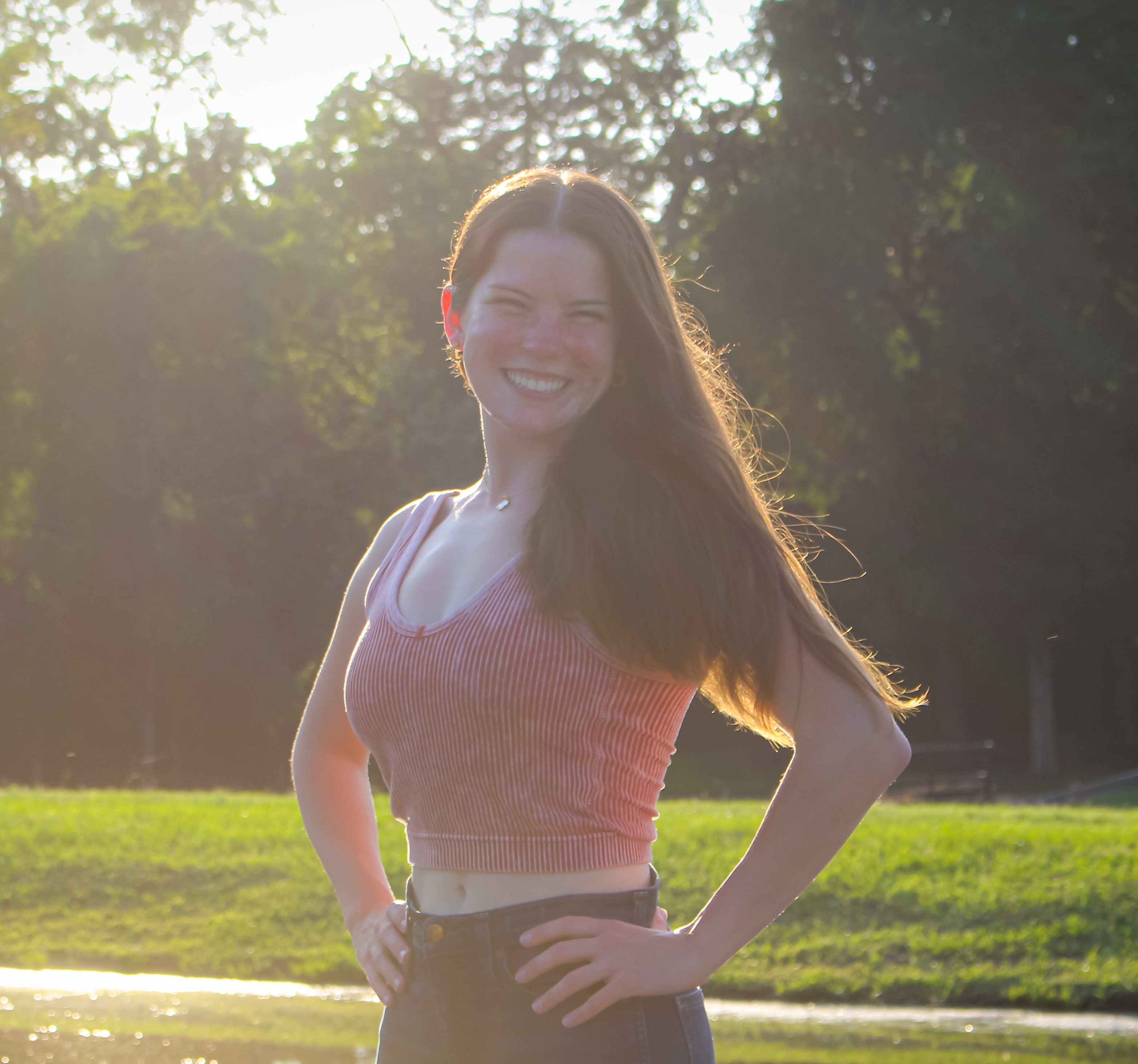
My name is Natalie, and I am a survivor of about 13 years of absolute psychological torture from Complex PTSD symptoms. For the longest time, I thought I was inherently sick and broken beyond repair. I spent over a decade running around in circles in the medical system trying to figure out what was “wrong” with me and how to “fix” it.
♡ What is Complex PTSD? ♡
Complex PTSD symptoms come from severe, prolonged, and numerous incidents of trauma, typically of a relational nature. Symptoms can come from any type of trauma, though, and the trauma doesn’t necessarily have to stem from childhood — adults can develop CPTSD as well. Trauma can damage the brain and shrink the hippocampus, causing many of the symptoms of CPTSD. I decided to go public with my story to be a voice for the voiceless. There are too many survivors being told CPTSD is a lifelong sentence, and they are not being given the tools they need to overcome their symptoms.
♡ My Story ♡
I endured multiple types of traumas starting at around age thirteen, including numerous situations of both individual and large-group interpersonal cruelty. Some of these situations forced me to switch environments. My body couldn’t fathom what was happening, and my nervous system shut down. I saw danger everywhere, operated in a panicked survival mode, and lived in fear, anxiety, and isolation. I did my best to appear “normal” on the outside, keep a smile on my face, and control what was happening on the inside, distracting myself with extreme workaholism and doing nice things for others. I took active steps to keep branching out in confidence again, but these traumas kept piling onto each other and overlapping. I wasn’t ready to give up yet, though, because I knew my family and friends would be distraught if I did. The most difficult and heartbreaking part of my story is that the two communities I set out to seek healing in—religion and the medical system itself—caused further trauma when some religious leaders, congregation members, and medical professionals chose to take advantage of my vulnerability for their own motives. In most of these situations, I didn’t even realize I was a victim until outsiders pointed it out for me and that my vulnerability made me a target of malicious people. Each future situation of being targeted was just salt on the wound of the original incident.
♡ My Struggles to Find Answers ♡
What I went through all those years was so severe, and my symptoms and physical body reactions as a result were so excruciating that I went as far as to see a neurologist, concerned that my symptoms were the result of some sort of nervous system disorder. However, he returned with no paperwork in his hands to inform me that there was nothing wrong with me but that I was simply completely traumatized, and my body reacted accordingly. I finally realized that my symptoms were not the result of an inherent mental or physical illness and began to take a trauma-based approach to my healing after many years of believing that I was “sick” for the rest of my life. My true progress began when I finally rejected the lies that were told to me that I would have to manage my symptoms for the rest of my life and made the decision to believe that I was fully capable of healing from my excruciating pain.
♡ Finding My Own Healing ♡
I am excited to share tips for natural, somatic, and holistic healing that have helped me overcome things like dissociation, flashbacks, sleep challenges, anxiety, hypervigilance, and more. I began to pursue unique methods of healing after many years of not seeing much progress through westernized care, and this was the catalyst for fast-tracking my healing. I aim to help survivors overcome their feelings of self-guilt, blame, and humiliation and help them realize that their bodies had normal reactions to abnormal situations.
I’m so glad I didn’t give up when my pain felt unbearable. I know what I’ve survived. I know the work I’ve put in to overcome it. I am finally living a life of consistent peace and contentment, and I am sharing my story from the other side. I hope to encourage other survivors that there was never anything wrong with them to begin with and that they are capable of living healthy, happy, and fulfilled lives. I aim to live my life in love of both others and myself, understanding that everyone has a story of their own. I am grateful to the CPTSD Foundation for giving me an opportunity to share my story.
♡ Personal Blog ♡
To learn more about my healing journey, please visit my personal blog, “Little Cabin Life,” at:
littlecabinlife.com