Trauma-Informed Blog
New content weekly! Survivor Stories, Research Articles, Poetry, and more written by clinicians, coaches, survivors, and mental health professionals.

Remember...
Important Information About Our Content
Everything you find on this blog, CPTSDfoundation.org, or within our wider digital communities is created for educational and informational use only. No content shared here—whether by our staff or guest contributors—is intended to supersede or replace the clinical relationship you have with your medical or mental health providers. We are here to support your journey with information, but we do not provide medical advice or treatment. Guest opinions are their own and may not represent the views of CPTSD Foundation. Privacy Policy and Full Site Disclaimer, Terms of Service.

Unmasking the Wounds: My Journey Through Narcissistic Abuse
For my own emotional safety and privacy, I have chosen to use alternate names for those involved. “Debby” and “Valerie” are not their real names, but they represent very real pain. For most of my...

The Art of Mindfulness: Is it as Good as People Say?
What is Mindfulness, and why should I care? Mindfulness is a way to focus on your inner and outer self. To become aware of yourself in the moment by accepting your feelings, thoughts, and bodily...

The Shivers
***TRIGGER WARNING: This blog discusses child abuse, including sexual abuse.*** By Morrene Hauser THE SHIVERS: When the nervous system is in such a state of overwhelm due to ongoing stress and...
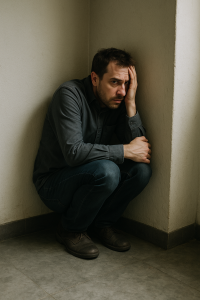
My Hidden Self
My Hidden SelfBy Jesse Donahue © 2020 I hide so deeply, beyond my ability to see and to understand I forced myself to write this. I felt it to be an insight that should be noted before it returns...

How to Treat General Intense Anger, a Complex PTSD Symptom, in Autistic Adult Clients
What if your autistic client has immense rage? They are angry that, despite having earned a professional degree, they have been unable to secure a job commensurate with their background and...

Emotional Regulation Strategies for Challenging Workplace Interactions: A Guide for Trauma Survivors
The Unique Challenges of Trauma Survivors in the Workplace For trauma survivors, the workplace can be an emotional minefield. Our past experiences often leave us with heightened sensitivity to...

Feeling Stuck? Try This Creative Healing Practice
When healing from trauma, it can be easy to get stuck in our heads, trying to think our way through pain, solve it like a puzzle, or make it all make sense.But healing isn’t just a thinking...

Going With the Flow: Up Life’s River Without a Paddle
Living with CPTSD is a trip…and not the “ooh yay, this is fun” kind of trip. In my opinion, one of the most ominous and annoying things about CPTSD is the constant struggle to stay rooted in the...

Therapy, Suggestion, and the False Memory Trap
When therapy leans too far into suggestion, it stops helping and starts shaping. Here’s how trauma narratives can go sideways—and what to do about it.
You’ve Been Asking, Here’s My Answer on Navigating Work with a Trauma-Affected Nervous System
As a fellow trauma survivor, I’ve received countless questions about managing triggers in the workplace. It’s a challenge many of us face daily, often in silence. We usually see the tip of the...

From Survival to Thriving: 5 Coping Skills That Transformed My Healing Journey
From Numb to Hope I lived in survival mode for much of my life. I thought it was just how my life should be. I saw myself as someone independent and self-sufficient. After all, I’m an only child....

5 Summertime Nervous System Boosters
Summer has a way of whispering, “Hey... maybe take a breath?”The days stretch longer, the pace slows down (sometimes), and the world smells like sunscreen and BBQ sauce. It’s the season of...

What is Complex Post-Traumatic Stress Disorder?
“Complex PTSD comes in response to chronic traumatization over the course of months or, more often, years. This can include emotional, physical, and/or sexual abuses, domestic violence, living in a war zone, being held captive, human trafficking, and other organized rings of abuse, and more. While there are exceptional circumstances where adults develop C-PTSD, it is most often seen in those whose trauma occurred in childhood”.


