Trauma-Informed Blog
New content weekly! Survivor Stories, Research Articles, Poetry, and more written by clinicians, coaches, survivors, and mental health professionals.
Remember...
Important Information About Our Content
Everything you find on this blog, CPTSDfoundation.org, or within our wider digital communities is created for educational and informational use only. No content shared here—whether by our staff or guest contributors—is intended to supersede or replace the clinical relationship you have with your medical or mental health providers. We are here to support your journey with information, but we do not provide medical advice or treatment. Guest opinions are their own and may not represent the views of CPTSD Foundation. Privacy Policy and Full Site Disclaimer, Terms of Service.
Understanding Survival Mode in CPTSD: Why It Can Take Years to Identify
For those living with Complex Post-Traumatic Stress Disorder (CPTSD), recognizing that they are stuck in survival mode can be incredibly challenging. Survival mode is a state where the body and...

A Writer’s Brain – The Gift
By Jesse Donahue 2018 ©I have heard of the right and left hemispheres of the human brain. Right brain, left brain thinking, a term thrown about by those in the know… which leaves me out. Where do...

The Healing Power of Horse Therapy for Trauma Survivors (Part 1 of 2)
*Warning. This article contains references to childhood sexual abuse I grew up a crazy obsessed horse lover. From how they smelled to their warm and velvety noses to their kind and soulful...
Creating a Safe Haven: Building Workplace Support Systems for Trauma Survivors Creating a Safe Haven
Building a support system in the workplace is crucial for trauma survivors as it can provide the understanding, validation, and connection needed for healing and recovery. The challenge that many...

Knowing Your F Type and The Clutter It Creates
For many years, I heard about being in fight or flight mode or being triggered and brought outside of my nervous system window. I learned that there are more than those two states we can go into...
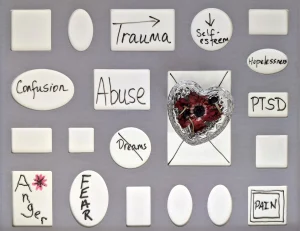
Restoring My Spirituality After Years of Religious Abuse
As a trauma survivor with nowhere to turn, I did what so many desperate and lonely do: I sought Jesus. Having grown up in Texas, Christianity was the only belief system I knew, so I found the...
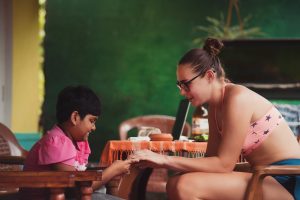
The Importance of Role-Models for Survivors of Abuse
My name is Elizabeth, and I am a survivor of sexual abuse and trauma. I endured things, terrible things when I was growing up. I was just a young sprout, but my lack of years and stature failed...
Shattered: A Bestie Story of Love & Friendship
The strong, sickly sweet smell of lilies never fails to riot my belly. When I breathe them in, I am transported back to your service, and scores of memories tear a path from my heart to my brain....
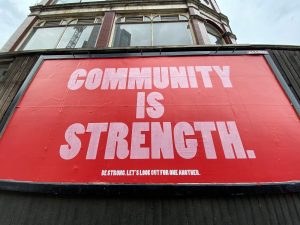
Triumph Together: Building Your Anxiety-Busting Tribe
I have been focusing on anxiety and panic attacks this month because they are so prevalent and disruptive in the workplace. For trauma survivors, fear and anxiety over the unpredictable nature of...

Mom Plays Whistleblower: An Unconventional Advocacy Outline
A darkened heart still pumps on Feminist vigilante movie trailers play on as viewers wonder which actress often typecast as the wife will now get her chance for more. They can, at last, play the...
We Are But Storytellers… In a World of Pretending
By Jesse B. Donahue 2020 ©For one to pretend… it is what we do. We make things up, make-believe, and make real our pretense of childhood games and the adult world of games around us. I can be a...
Completing the Stress Cycle: The Key to True Healing
In our journey to overcome chronic stress and trauma, many of us have a strong desire to "break the cycle." But here's the vital piece of information that often gets overlooked: to break the...
What is Complex Post-Traumatic Stress Disorder?
“Complex PTSD comes in response to chronic traumatization over the course of months or, more often, years. This can include emotional, physical, and/or sexual abuses, domestic violence, living in a war zone, being held captive, human trafficking, and other organized rings of abuse, and more. While there are exceptional circumstances where adults develop C-PTSD, it is most often seen in those whose trauma occurred in childhood”.


