Trauma-Informed Blog
New content weekly! Survivor Stories, Research Articles, Poetry, and more written by clinicians, coaches, survivors, and mental health professionals.
Remember...
Important Information About Our Content
Everything you find on this blog, CPTSDfoundation.org, or within our wider digital communities is created for educational and informational use only. No content shared here—whether by our staff or guest contributors—is intended to supersede or replace the clinical relationship you have with your medical or mental health providers. We are here to support your journey with information, but we do not provide medical advice or treatment. Guest opinions are their own and may not represent the views of CPTSD Foundation. Privacy Policy and Full Site Disclaimer, Terms of Service.

Are You in the Wrong Career? Signs to Watch For
Choosing a career is a significant life decision, and for many, it’s a journey filled with self-discovery and growth. However, there may come a time when you find yourself questioning if you’re on...

When a Sibling Causes Harm
TRIGGER WARNING - This article discusses sexual abuse. We are going to address an often ignored topic: sibling s*xual abuse. Over the 17 years of doing this work, I've supported countless people in...

Are You Ready to Release Resentments?
Dealing with conflict is probably at the bottom of most people‘s lists. It’s uncomfortable and requires vulnerability. We all carry dysfunction and unresolved issues, and I venture to guess that...
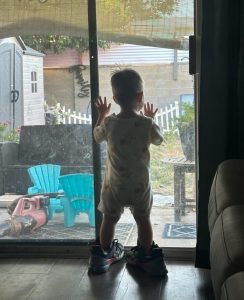
Protecting The Children
“Mom, Dad doesn’t love you… or Spenser. He only loves me.” “That’s not true, sweetie, why do you say that?” “He doesn’t treat you nice.” I looked down at my 5-year-old boy. His innocent eyes stared...

When a Victim Doesn’t Know She’s a Victim: Survivor’s Guilt, the “Fawn” Response, Trauma Bonds, and Setting Boundaries
“I can’t forgive myself.” Daily, I uttered this phrase. When I said it, my loved ones were concerned. “But what do you need to forgive yourself for?” They’d ask, perplexed. For them, there was...

From Healing Others to Healing Ourselves
A Resilient Career Coach’s Journey to Prioritizing Self-Care I recently had to step away from my coaching membership and community for a couple of weeks because I desperately needed some self-care....

The Interface of Healing and Human Interactions
Trauma leaves deep imprints on our nervous system, often disrupting our ability to feel safe, connect with others, and regulate our emotions. The social engagement system, which encompasses our...

Being a Real Adult Means Choosing Yourself First
Putting Myself First? You’re Kidding, Right?! I had to step back recently from things that weren’t serving me anymore. Disappointing other people was so hard that I immediately wanted to backpedal...
Discernment Through the Fray…
Through the cacophony of media - social, alternative, traditional, and otherwise - I could no longer deny the need to walk away from it all and regroup. Heck, I even helped launch Fox News Channel...

Complex PTSD and Coping with Change
We are all different and unique in our skill sets at work and in how we are as human beings Our world is busy and can feel overwhelming and unfriendly to anyone. With the internet and most...

Lessons from Hurricane Helene
When they said to fill the bathtub to have drinking water on hand, I thought it was overkill When they said to fill the bathtub to have drinking water on hand, I thought it was overkill. I didn’t...

Shame, the Gift that Keeps on Giving
The first time I remember feeling shame was on my fifth birthday. MyMom’s boyfriend had just given me a present, and before I opened it, Imade some flippant comment in an effort to be funny....

What is Complex Post-Traumatic Stress Disorder?
“Complex PTSD comes in response to chronic traumatization over the course of months or, more often, years. This can include emotional, physical, and/or sexual abuses, domestic violence, living in a war zone, being held captive, human trafficking, and other organized rings of abuse, and more. While there are exceptional circumstances where adults develop C-PTSD, it is most often seen in those whose trauma occurred in childhood”.