Trauma-Informed Blog
New content weekly! Survivor Stories, Research Articles, Poetry, and more written by clinicians, coaches, survivors, and mental health professionals.

Remember...
Important Information About Our Content
Everything you find on this blog, CPTSDfoundation.org, or within our wider digital communities is created for educational and informational use only. No content shared here—whether by our staff or guest contributors—is intended to supersede or replace the clinical relationship you have with your medical or mental health providers. We are here to support your journey with information, but we do not provide medical advice or treatment. Guest opinions are their own and may not represent the views of CPTSD Foundation. Privacy Policy and Full Site Disclaimer, Terms of Service.

Living With CPTSD
Living with CPTSD or Complex Post Traumatic Stress Disorder is not always easy. A survivor has that constant internal fight. Am I happy today? Am I sad? Why am I shaking from that nightmare? What...
Complex Trauma and the Damaged Self
It’s difficult to become who you are when beset by survival fears Know thyself. Be your best self! Confident people have high self-esteem. Egotistical people are self-centered. Self-awareness is...
6 Ways to Calm Your Nervous System Right Now
Do you always feel like you’re on high alert? Or do you just feel numb? Perhaps you bounce back and forth between the two? Have you wondered how to feel calm or peaceful? If you find the state of...

Going No Contact? Here’s the Letter You Need to Write
Photo by Towfiqu barbhuiya on Unsplash Congratulations! You’ve decided that you’re through being abused by a toxic parent, partner, or friend and are ready to go No Contact. Good for you! You’re...

The Dark Chasm of Disappointment & Learned Helplessness
Disappointment is a formidable adversary and worthy of your notice. Worthy of your rebel yell that says “I’ve had enough.”
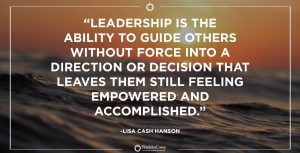
CPTSD in the Workplace: Can trauma survivors be good leaders?
One of the questions I get from trauma survivors is whether they are really capable of being a leader. The short answer is an unequivocal “YES, of course.” There are several things that trauma survivors should pay attention to if they want to be good, effective leaders.

Incest and Its Impact on the Body
Incest can create a severe ripple effect in someone’s life. People that relate to the person who experienced incest are affected negatively. Families and loved ones are left confused about why a...
Complicated Grief
Grief is complicated for survivors of trauma because there is so much to process.
Navigating Medical Trauma with CPTSD
TRIGGER WARNING: the following article discusses sexual assault. My CPTSD is based on traumas that started in early childhood. I have no conscious memory of “normal.” My traumas are old,...

The Simple Question a Crisis Worker Asked Me That Helped Calm My Panic Attack
This article was originally published on The Mighty. My thoughts come at me too quickly, too loudly — it’s as if my mind is shouting. At the same time, my heart is racing and I find it difficult...
Having Asperger’s Syndrome with Complex Post-Traumatic Stress Disorder
There are many types of neurodivergence among humans, some helpful, others harmful. The two getting the most notice are Asperger's Syndrome and complex post-traumatic stress disorder, with...
Understanding Narcissism
(as published in The Friday Edition of HeartBalm Healing at https://heartbalm.substack.com) The term narcissism and its variations get thrown around quite often and the definitions are mixed up...

What is Complex Post-Traumatic Stress Disorder?
“Complex PTSD comes in response to chronic traumatization over the course of months or, more often, years. This can include emotional, physical, and/or sexual abuses, domestic violence, living in a war zone, being held captive, human trafficking, and other organized rings of abuse, and more. While there are exceptional circumstances where adults develop C-PTSD, it is most often seen in those whose trauma occurred in childhood”.


