Trauma-Informed Blog
New content weekly! Survivor Stories, Research Articles, Poetry, and more written by clinicians, coaches, survivors, and mental health professionals.

Remember...
Important Information About Our Content
Everything you find on this blog, CPTSDfoundation.org, or within our wider digital communities is created for educational and informational use only. No content shared here—whether by our staff or guest contributors—is intended to supersede or replace the clinical relationship you have with your medical or mental health providers. We are here to support your journey with information, but we do not provide medical advice or treatment. Guest opinions are their own and may not represent the views of CPTSD Foundation. Privacy Policy and Full Site Disclaimer, Terms of Service.

Aunt Sue: Remind Me Who You Are and Why I am Here
I saw no reason to ever trust an adult again.
How to Explain Complex PTSD to Loved Ones
***Trigger Warning*** This guest post discusses specific, explicit, aspects of a personal trauma story. Please be kind to yourself as you read. Complex PTSD is a long-term condition caused by...
Family Estrangement Going No Contact: Part Three
We have been exploring together the ins and outs of going no contact with a family of origin. As we have seen, going no contact is a dramatic and often traumatic event that allows you some peace...

If You Are Triggered by ‘Matilda the Musical’
“Matilda the Musical” has burst onto the Netflix scene, and you my friend decided to give it a go. I don’t blame you! I put it on too because as a child of the 80’s I loved the book and the 1996...

How Network Spinal Care Helped Heal My Trauma
Network Spinal Analysiss’ profound ability to teach our bodies to heal trauma.
CPTSD in the Workplace: Belonging
Featured Image from Amer Mughawish on Unsplash Creating a sense of belonging among employees is a top priority for every successful company. Top companies invest millions of dollars in repairing a...
Lost in the Woods: An Inside Look at the Fractured Experience of Trauma
She is drowning in her own wounds. Losing consciousness and life as she succumbs to the travesty of believing that as her own family tried to destroy her for so many years that it would have been better if they had. Left to her own devices, her own fractured mind and thoughts, her own darkening world of lost and alone, and not having enough strength to find herself again – she wanes. She lets go and sees the futility in fighting. The enormous cost to mind, body, heart, and soul with each fall back into the abyss to find the way back is beyond herself – beyond comprehension, logic, and reason.
Going No Contact with Your Family of Origin: Part 2
Living with the effects of complex post-traumatic stress disorder (CPTSD) is challenging. Survivors who have CPTSD should not have to deal with harmful family members. Going no contact is a choice...
Unresolved Trauma Can Ruin Relationships
The Impact Unresolved trauma can impact people’s lives in many ways. It creates challenges for people in how they engage with the world. People often feel trapped because the fear of experiencing a...

When Religion Becomes Traumatic
People can be held captive without bars, windows or guns through psychological tactics or economic forces. This type of coercion can show up in obvious ways such as governmental or police states, but also in more subtle ways inside families and religious institutions.

How My Friend Taught Me How to be Kind to Myself
One person can impact your life. He was the one — through kindness.
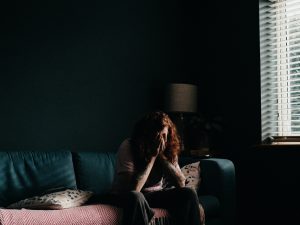
Creating a New Family After Childhood Abuse
***TRIGGER WARNING*** This article specifically discusses childhood sexual trauma. Survivors of childhood abuse and trauma are often conflicted about family life. It is after all difficult to...

What is Complex Post-Traumatic Stress Disorder?
“Complex PTSD comes in response to chronic traumatization over the course of months or, more often, years. This can include emotional, physical, and/or sexual abuses, domestic violence, living in a war zone, being held captive, human trafficking, and other organized rings of abuse, and more. While there are exceptional circumstances where adults develop C-PTSD, it is most often seen in those whose trauma occurred in childhood”.