Trauma-Informed Blog
New content weekly! Survivor Stories, Research Articles, Poetry, and more written by clinicians, coaches, survivors, and mental health professionals.

Remember...
Important Information About Our Content
Everything you find on this blog, CPTSDfoundation.org, or within our wider digital communities is created for educational and informational use only. No content shared here—whether by our staff or guest contributors—is intended to supersede or replace the clinical relationship you have with your medical or mental health providers. We are here to support your journey with information, but we do not provide medical advice or treatment. Guest opinions are their own and may not represent the views of CPTSD Foundation. Privacy Policy and Full Site Disclaimer, Terms of Service.
Seeking Help for Self-Harming Behavior
***Trigger Warning: This article will speak about self-harm and may not be suitable for all audiences.*** Self-harm is one of the most challenging subjects to talk about, but millions of people...
The Dreaded DSM and CPTSD
The Dreaded DSM and CPSTD According to the DSM (Diagnostic and Statistical Manual of Mental Disorders) when I describe my symptoms, it advises doctors, psychologists that I would most likely have...
The Mental Health Disorders Most Associated with Self-Harm
***Trigger Warning: This article will contain self-harm information and may not be suitable for all audiences.*** This series has focused on different types of self-harm, its causes, and a...
Redefining Failure as a Parent with CPTSD
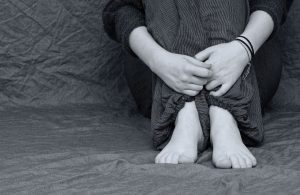
Parenting with CPTSD means that it is essential to understand where some of our over-reactions come from. For example, perfectionism and unrealistic expectations that lead to judgment, guilty, shame, blame, anxiety, and helplessness. Doing the work means healing ourselves so as not to pass on the trauma to the next generation.

Unrequited Love From our Family of Origin
I started writing as a way to process and talk about exceedingly difficult things I knew I needed to discuss in therapy but was unable to even begin to make sense of myself. For such a long time,...

The Missing Peace… An Introduction
Danielle Renee Murphy, expressive therapist and writer, invites you to explore expressive therapy techniques to heal past trauma on a linear, process-focused journey.
The Importance of Talking About Suicide
***TRIGGER WARNING*** This article will tackle active and passive suicide and may not be suitable for sensitive audiences. In our first article about self-harm, we tackled the subject with as...
The Willow Tree
The Willow Tree The windswept the hair from my eyes One tear streaming down my cheek I always seem to have goodbyes Every year every month every week They fill my head with their lies When...
Self-Harm and Complex PTSD
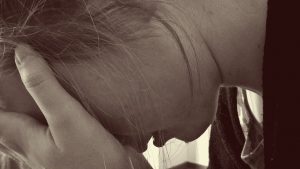
***Trigger Warning This article contains information that may upset sensitive readers. The following article is about self-harming and should not be read by those who find this subject...
Manipulated Paradox
Understanding and grieving what was lost is sometimes a hard process. The level of manipulation within childhood abuse is deeply profound. And while some manipulation is easy to spot, there are levels that bring greater understanding to the way we think and feel. We are literally learning to be our own person. Shedding the old, learning to love ourselves and others. This story is part of my journey.
The Long-Term Effects of Abandonment
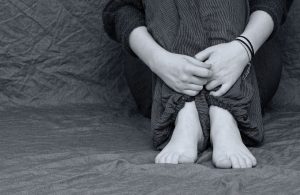
One of the most egregious behaviors a parent or other caregiver can do to a child is to abandon them, allowing them to suffer alone. The damages done to the child when grown are significant and...

What is Complex Post-Traumatic Stress Disorder?
“Complex PTSD comes in response to chronic traumatization over the course of months or, more often, years. This can include emotional, physical, and/or sexual abuses, domestic violence, living in a war zone, being held captive, human trafficking, and other organized rings of abuse, and more. While there are exceptional circumstances where adults develop C-PTSD, it is most often seen in those whose trauma occurred in childhood”.


