

***Trigger Warning ***
The following material has been reported to be highly triggering to some. Please be kind to yourself as you read through the content. The purpose of this article is to help survivors be less of an enigma to themselves, by explaining some of the most troubling problems with complex trauma and relationships.
Living with complex post-traumatic stress disorder (CPTSD) is very challenging. It affects every aspect of the lives of those who suffer under its symptoms. In this article, we are going to examine together with a brief synopsis of CPTSD and how this disorder creates difficulty in forming and maintaining intimate relationships.
An Overview of Complex Post-Traumatic Stress Disorder
CPTSD isn’t yet in the Diagnostic and Statistical Manual of Mental Disorders (DSM-5), the Bible used by psychiatrists and psychologists to diagnose mental health issues. Instead, it is part of a category called Trauma and Stress-Related Disorders under post-traumatic stress disorder (PTSD).
The problem is that while PTSD generally involves a single traumatic event, complex post-traumatic stress disorder involves exposure to repeated traumatic events. One argument is the reason for the exclusion of CPTSD from the DSM-5 is that while PTSD affects 7-8% of adults, CPTSD occurs in .05% of adults.
The symptoms of complex post-traumatic stress disorder are broader than those of PTSD. In the following sections, we’ll examine these deeper problems and how they affect a survivor’s ability to form and maintain healthy intimate relationships.
Trust Issues
One of the most profound and perhaps the root of all the other issues, that will be mention below, involves problems trusting others.
Since many who live with complex traumatic-stress disorder in their lives formed the condition as the result of enduring ongoing trauma while young, it isn’t hard to see why trust issues are a problem.
The trauma normally involves some type of abuse and betrayal by the very people who were supposed to care for and nurture survivors, when they were children. This repeated behavior by caregivers trains the child’s brain to cope with the inevitability of more trauma. Furthermore, when these children become adults, their brains are already hardwired to be fearful of intimacy and cautious of trust.
Flashbacks
Flashbacks are not simply remembering a traumatic event. Flashbacks thrust survivor back in time and relive the events as though they are occurring today.
There are three types of flashbacks, visual, somatic, and emotional. Although all three are harmful to the formation of relationships, emotional flashbacks are more so than the other two.
When survivors experience emotional flashbacks, they are irrational, and will often lash out at innocent people in their current lives. Normally, people who have these flashbacks do not understand where the emotional outburst comes from, and it takes a long time to make amends to those they harm.
Painful Loneliness
Survivors who live with CPTSD feel disconnected from humanity and themselves. In fact, survivors often describe how they feel as though they are here on earth by mistake and do not belong anywhere. Survivors often remain in an intense state of loneliness even when standing in a crowded room, because of the disconnection and lack of trust they feel toward and from other people.
The lack of trust survivors experience causes them to either consciously or subconsciously push anyone who wants to get close away and is compounded by internal beliefs that they are damaged goods, broken, and unlovable.
Hypervigilance
Survivors of complex trauma have a deep subconscious need to watch for any indication that someone is going to harm them. This results in survivors constantly scanning their environment for signs and sounds that tell their brains to prepare to fight, flee, or even freeze.
The signs might include non-verbal movements, body language, and tone of voice of another person, as well as sounds in the room or outside, that remind them of a previous traumatic event.
Hypervigilance is exhausting and makes a survivor choose to be alone rather than to be in a group where they can socialize and form relationships.
Body Image Difficulties
Due to the trauma perpetrated by caregivers in childhood, many people living with complex traumatic-stress disorder have deep-seated body image problems.
Too often, people who have CPTSD see their bodies as ugly, fat, and undesirable. These difficulties with self-image can lead to not only the formation of eating disorders, but also making the survivor fearful of allowing others to see them unclothed.
It is easy to see how this internal terror can lead to the survivor choosing not to get involved in an intimate partner relationship.
Searching for a Rescuer
Survivors often have one of two different reactions when it comes to relationships. They will either search incessantly for someone to rescue them, or they will avoid relationships altogether.
Those who search for someone to rescue them feel helpless and believe they need someone to save them from the pain of their past. They believe if they get involved with the right person they can feel complete again, and rely on them for comfort and support.
Sadly, this thought process often leads to survivors choosing the wrong partner, due to human tendencies to find romantic relationships that mimic our childhoods. These unfortunate people ignore behaviors that others would see as clear warning signs. Instead, out of deep desperation, they look past any flaws, in order to experience love and validation.
This lack of discernment of others can lead to the perpetuation of exploitation and intimate violence.
Choosing Not to Form Any Intimate Relationships
Survivors living with complex post-traumatic stress disorder have the same desires and needs for intimacy, sex, and attachment as anyone else. The difference is that they may choose to avoid forming intimate partner relationships.
It is vital to understand that in childhood these adults experienced a betrayal of trust, and often the sexual violation of their bodies.
Due to the betrayal of their trust in childhood, when these survivors do find themselves in a romantic relationship they often confound their partners by allowing them to draw close, but then quickly withdrawing.
Then, due to the sexual violation in childhood, sex is a huge issue for some. Forcing survivors to act like they are enjoying sex with their partner. When in fact, they are not. This pretense can result in them feeling dirty, used, and full of revulsion.
It is easy to see that in either scenario there will be big problems with anyone who attempts to form a loving and long-term relationship with survivors, leading to broken hearts and break-ups.
Because of the pain survivors inflict on others and themselves, many choose to live in terror of forming intimate relationships and avoid them totally.
The Problem of Shame in the Forming of Intimate Relationships
Shame is a fundamental emotion that shapes our lives from the time we are born until our death. When used in a positive manner, shame can help children learn to control their emotions and treat others with respect and dignity.
However, when shame is used as a weapon to control and harm children, the effects are lifelong and cause great difficulties later in life in the formation of healthy intimate relationships.
A paper published in 2010 in the Journal of Traumatic Stress1 titled The Impact of Dissociation, Shame, and Guilt on Interpersonal Relationships in Chronically Traumatized Individuals: A Pilot Study offers some insights into how shame shapes our relationship formation later in life.
The researchers found that the accumulation of shame throughout a person’s lifetime is a predictor of intimate relationship difficulties. Not only this but when coupled with severe dissociative symptoms, survivors can feel an intense sense of disconnectedness to other people.
With such internal conflicts happening inside the minds of survivors of complex trauma, it is almost impossible to form and maintain intimate relationships.
Do Not Lose Hope
Reading this article might have caused some readers to feel there is no hope of them forming lasting, loving, and fulfilling relationships due to having lived through complex trauma.
That is not the purpose of this piece. The purpose of this article is to help survivors be less of an enigma to themselves, by explaining some of the most troubling problems with complex trauma and relationships.
In the articles that follow, we will examine together the effects complex trauma has on the brains of survivors and ways to help yourself conquer your symptoms.
Whatever you do, do not lose hope.
References
1. Dorahy, M. J. (2010). The impact of dissociation, shame, and guilt on interpersonal relationships in chronically traumatized individuals: A pilot study. Journal of Traumatic Stress, 23(5), 653-656.


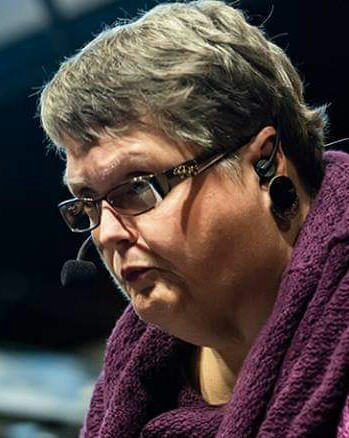
My name is Shirley Davis and I am a freelance writer with over 40-years- experience writing short stories and poetry. Living as I do among the corn and bean fields of Illinois (USA), working from home using the Internet has become the best way to communicate with the world. My interests are wide and varied. I love any kind of science and read several research papers per week to satisfy my curiosity. I have earned an Associate Degree in Psychology and enjoy writing books on the subjects that most interest me.
Please do put the following part to the beginning of the article, thanks!
Do Not Lose Hope
Reading this article might have caused some readers to feel there is no hope of them forming lasting, loving, and fulfilling relationships due to having lived through complex trauma.
That is not the purpose of this piece. The purpose of this article is to help survivors be less of an enigma to themselves, by explaining some of the most troubling problems with complex trauma and relationships.
In the articles that follow, we will examine together the effects complex trauma has on the brains of survivors and ways to help yourself conquer over your symptoms.
Whatever you do, do not lose hope.
Thank you, I’ll consider it. Shirley
It would be great if you did, all of the above is highly triggering and the chance of someone to stop reading before the last part (since the stuff mentioned above is painful to read), is very high.
I’m very sorry you found the piece highly triggering. It is meant to educate and to remind others that they are not alone.
It is informative indeed. Painfully so. Also I am grateful yet sad. I do not want to have this effect on others. Indeed I’m sure I have. I avoid relationships. My last relationship was with a narcissist. I have a lot of work to do. I thank you for the article.
We know.
Great piece Shirley, thank you. I was in tears before I saw your “don’t lose hope” line, what a comforting reminder after a deep-dive into lots of literature that paints a grim picture but doesn’t reiterate that there are ways to overcome.
I found all this very relatable, like watching back a video tape rather than looking in a mirror.
The question now is how to heal from it, at nearly 45 years of age.
100% in agreement
Most survivors would be triggered by this.
I have no idea why the author hasn’t taken the advice listed by those in the know!
There is a huge trigger warning at the top to warn folks who may become triggered but this subject is much too important to not talk about it. I don’t remove the article for that fact. If we never speak and discuss intimacy and trauma it will remain in the dark and cannot be conquered. I’m sorry if you were triggered. I hope you are better today. Shirley
This article was very informative. Well written. I’d like to comment to the last parts briefly touching on cptsd behaviors affecting their partners. It says without using the term abuse as if that’s what we’ve become. Abusers. And that simply is not so. We, men & women, with cptsd end up marrying abusers. In an earlier part of the article it is stated people with cptsd end up with wrong partners. But later it’s stated we adversely affect them. Is it really both ways. For myself have been diagnosed with cptsd related to repeated trauma. I have not become the abuser. Marrying alcoholics did not do me any favors. It was what I was familiar from my childhood. I still like this article. Painful to read. But it’s truth in it. Makes me see I have farther to go than I thought. One thing that has helped me enormously has been seeking healing from Codependence. Pia Mellody’s videos and books were tremendous in helping me gain self worth and value. Thanks for reading if you got all the way through this.
I think my biggest issue with this article is that it makes it seem as if C-ptsd is exclusively by way of childhood trauma. I have come across that viewpoint many times. However, that was not how i came to be diagnosed.
Mine was many simultaneous situations (severe 6 year daily stalking by a twisted neighbor, then a first and only 3 year narcissistic relationship, 3.5 year hoa lawsuit brought on by twisted neighbor, 8 family deaths in a matter of 5 years and a suicidal sibling who lived two hours away) obviously too much to bare within a 7 year time frame.
After being physically attacked by my neighbor/stalker, i sought therapy, which was when i was diagnosed. The stalking continued while i was in therapy, even with the restraining order.
I guess my point in saying all of this is that it can come in many forms in the world we live in, as everyone seems to be dealing with a lot.
I surely hope that we can all find peace and heal from our traumas.
To Shirley, with that being said, thank you for shedding light on this topic, for i believe it is too highly misunderstood and under-seen.
It depends on who you end up with.
My husband’s ex wife was Narcissist and he was the victim.
Now he is the abuser to me. Whenever he is triggered he act very similar to his abusers in his past and treat me as if I’m his abuser. I’ve been so hurt by his narcissistic ptsd behaviors. Some articles says ‘don’t take it personally’. Really? How is it possible to do that when I’m blamed for bad marriage and lot of things I do to take care of him look so similar to his abuser’s traits to him. I’m developing vicarious ptsd from dealing with his triggers too open.
I do not know the circumstances that make you stay, but you might consider making alternate plans. He sounds abusive and you don’t deserve that. Just a suggestion from someone who cares. Shirley
Thank you….I greatly appreciated the article. Very informative, I am married 5 years to a survivor and we are struggling. I need to be compassionate, but the weekly “emotional flashback” can be brutal. Fear brings out the worst in everyone. I vote to keep article, it helped remind me why I fell in love and married her in the first place
This is a very accurate read. Thank you so much from the bottom of my heart. Anyone with CPTSD and is still struggling please research these three therapy methods . TRTP, EMDR and TMS. Amazing methods that have made me feel like I am now over the worst my symptoms. 41 years old and finally feeling better. Good luck
I agree with the other. The last paragraph would have been amazing to read first.
I recently came across this post that may offer a soothing and reassuring effect, particularly for people who are partners and loved ones of people experiencing CPTSD. https://julie-maida.com/being-loving-someone-complex-ptsd/
Thank you for this well written and insightful information.
Please do. I almost didn’t even bother reading to the end because it seemed pointless… I basically was reading that there was no hope….. People like me who run across this article NEED to know there’s hope. I pray nobody gave up in the middle of the article like I almost did.
I would agree with “Sigmond”. The article, albeit thorough and highly informative it is triggering for both a victim…and lived ones/partners. I have been with my husband for 26 years. He disclosed his horrific victimization after 16 years of being with him.
It has been a gruelling 9 years with very little peace in sight. In fact, after many years of loving, supporting, caring, etc…It’s getting increasingly difficult to continue to be invisible.
This article opens a can of worms, and doesn’t seem to close it.
The final line feels cliche and I supported. Where are the “articles that follow” located.
Oh, and what would you suggest for partners of those with a CPTSD diagnosis?
I will have to speak with the editor to see if we need to pull this article. It was NEVER meant to harm anyone. There were other articles about CPTSD that followed but after this one, they may not have clicked. Thank you for your comment. Shirley
Please leave as is. I appreciated the trigger warning and chose to continue reading. If you take it down many will miss out.
Accessed Oct 18, 2021. The most useful and objective thing I’ve seen in the four years since I learned I have CPTSD.
I agree, it should be left as-is, the bold trigger warning is warning enough that there is unpleasant information if one chooses to keep reading. While a reminder not to lose hope is nice, the point of the article isn’t to be nice, and as someone with CPTSD along with several other mental health struggles, I appreciate the straight-forward information, regardless how unpleasant. The illness itself IS unpleasant. I do hope anyone with any mental illness chooses to not lose hope, but to try to to soften the harsh realities of any illness in order to be more pleasant for readers contradicts it’s intent to inform and bring awareness.
This is one of the only articles that has helped me put into words a way to explain to someone else why I react to some things the way I do, and for once, that explanation made sense. Thank you.
From the bottom of my heart, thank you. Sometimes the things I write about are controversial and touch a nerve in people. This article certainly did that. I’m glad you found it helpful. Shirley Davis
I agree, yes, please keep the article posted.
I just found out I have CPTSD and I am hungry for information about it. I’m not a fan of censoring. So, please don’t take it down.
I have struggled so much with relationships and need information.
AGREED.
This article was very helpful to me! Complex trauma is extremely difficult to live with but I do have hope of healing and having a fulfilling relationship with my husband of 23 years. It’s extremely hard on him with trying to understand my distortions and lack of trust and intimacy. I won’t give up and will keep working on myself and my relationships with friends and my patient husband. Complex trauma is very difficult to overcome but I will persevere and overcome the inner pain. Thank you for writing this article.
Shirley, I appreciate the article you wrote here. Very thorough and well informed. Also, people who suggested the conclusion should have come first are not wrong. But you don’t seem to be hearing or appreciating what they are actually saying. Rather, you seem to assume that (just b/c people mention the article is a difficult read) they are suggesting it should be ‘pulled’ (you mentioned that a couple times). Yet not a single person actually said (or even suggested) it should not be published. They are telling you something very different than that. They are APPRECIATING the article. AND (yes) admitting they find it difficult. But ALSO that they accept the difficulty as part of the package. AND that they felt relief when they got to the part at the end that was more ‘warm and fuzzy’. But they are NOT saying they want to avoid the the difficult substance of the article. And they are certainly NOT saying (not even suggesting) that you should avoid publishing it, just because it is difficult going for many of us. They are simply saying that, while they expected and accepted the rough terrain in the middle, you could make it easier for survivors to get through the hard parts by ALSO offering at the beginning some of the warm encouragement that you so caringly offered at the conclusion. (Rather than just the typical, perfunctory ‘danger sign’ of a trigger warning at the top, like so many other articles). So, they are actually telling you how very helpful the ending is, in particular, AND that they need more of that at the outset … to help sustain them better emotionally throughout the body of the article. So please listen, really listen to your readers. They are giving you a gift of honest insight, also born of experience. They are NOT devaluing your article or trying to rob you of your creative achievement. They are not even being ‘armchair authors’. They are actually offering you some insight into the impact of your words and how that might be improved (not removed). In fact, the ‘warm fuzzy’ material needn’t be ‘either/or’ (i.e. placed only at the beginning OR the end). If you are very attached to the placement of the ‘warm fuzzy’ material at the conclusion, you could still leave it there; AND you could ALSO consider saying the same thing (or something similar) at the very beginning. If you wanted to … if you felt it would help people more effectively (which I think is the purpose of you writing this – but it also depends on who you think your audience is for this piece). Regardless, thank you for your important piece of work here, very well done, and very useful. Please keep writing more.
Thank you for your insight. Shirley
Holly – reaching out to say you are not alone. Having known my husband for over 25 years (married for 14) I have always known he’s struggled with mental health issues and certain pieces of childhood trauma (Early parental death) but after many many years of misdiagnosis, spirals of alcohol abuse and general lack of understanding of the root of his issues, only more recently has the whole of his abusive and horrific childhood come to light. As if parts of his brain holding horrible memories have woken up. Literally. I’ve found some resources for partners of survivors of childhood sexual abuse, but very little for partners to those more comprehensively with c-ptsd (including CSA). It’s a very lonely, rejecting, selfless challenging role at times and we need education and support. After 25 years as a partner, I admit I’m losing hope but it’s hard to give up when you truly care about someone even if they have a difficult time showing it to you. If you ever want to connect pls reach out. Also generally as a partner I found this information reassuring to confirm what I know, and while sad, not triggering (again tho I’m not the survivor). I appreciate the info as there is little out there.
I appreciate your comment very much. Please consider joining one of the programs offered by CPTSD Foundation. If you cannot pay, we have scholarships. Go to https://www.cptsdfoundation.org/scholarship to find the help you need. We don’t want anyone to feel alone. Shirley
Hi Meaghan,
Thank you very much for your thoughtful reply. I can completely relate to your comments. My husband is quite a remarkable soul I will say, so kind and caring most of the time. I’d say being the intimate partner results in unique experiences to us, which a survivor’s siblings and friends never see. Anyhow, sooooooo much has gone on in 2 years, including the death of my own father for which grieving has been on hold.
Having lived through dozens of spirals, triggers, conversations, and more…secondary and vicarious trauma have been excruciating. That being said, I too love my husband deeply. If he had a cancer or an. ALS Diagnosis I would never leave him…so a mental health diagnosis is tough to walk away from as well. That being said, I’ve changed and adapted as many times as any octopus would change, and it’s exhausting. Compassion fatigue is real.
Your support is appreciated. I don’t think ANYONE could ever understand what caretakers go through. Sharon, that’s an article well worth writing! 👊🏻👍🏻
Holly and Anonymous,
I’m in the same boat. Is there any way to reach you both so we can support each other? I feel so alone.
Another spouse in a similar situation. It is incredibly draining. We are also 25+ years, but dealing with it head on the past 3 years. Finding a therapist qualified for these issues is difficult. Plus getting him to “stick” with it.
I like “compassion fatigue”. That gave me a term I relate to. A new thing has been projections. They come from a deep place and I try not to take it personal, but it’s hard.
It does me well to know there are other partners out there that struggle as well. Hopefully treatments continue to improve in all areas.
Dear Holly, Meghan anon- were you ever able to connect. I think it quite interesting so many of us are at the 25-26 yr mark. I too have been in this long struggle to love in “ sickness” and health. The past 3 years with me getting a good thereapist finally helping me to see my codependent behaviors enabling the toxic cycles. I just covered and did too much for
Him to
Never have to get the help or see the pain he was causing. Now we have gone thru 3 short civil separations and just last summer I had to file legal. It’s been so tough- especially with all
Our children! Please let me know if you all connected somehow, I’m sure we can relate and encourage the other.
This week we attended a funeral of my husband’s “second mom” – a very dear family friend. Knowing this day was coming…we also knew there was a chance he’d have an encounter with his assailant who he has not seen in 30 years.
He was the first person he saw when getting out of the car.
My husband didn’t even tell me at first. He told me after the funeral.
It was so overwhelming. We still had to make it through the burial and the wake since my husband was a pallbearer. There was an heated encounter but I won’t go into it.
We’ve come so far. He had been doing soooo well. My anxiety and fatigue had finally waned.
Now, I have no idea what to expect and for how long recovery from this will take. He only just returned to work after 2 years…has anyone gone through anything similar?
It’s so sad and devastating.
I know I’m late to this thread, but as the husband/sufferer in my relationship, found a lot in your posts I could identify as problems my wife is currently facing.
CPTSD is a new diagnosis for me. I’d been diagnosed with Major Depressive Disorder and anxiety issues in the past, but the root cause never seemed to be part of the treatment. Looking back now, I can see that traumatic life events that triggered my symptoms were the immediate concern and nobody bothered to ask me about past trauma.
For my part, I always knew I had relationship problems all the way back to high school, but never made a connection with childhood neglect and abandonment. I thought the arrogant, player attitude I had was the way other guys treated their girlfriends. It also never occurred to me that the ridiculous level of jealousy I felt (due again to my own severe lack of self-worth) was in any way a consequence of my abandonment to a previously unknown, violent survivor of combat related PTSD.
I just thought I needed to be constantly reminded of my value and how they felt about me because I was a pretty simple guy who’d grown up largely isolated from any prospect of a girlfriend by my poor economic circumstances. It probably didn’t help that I could do very little wrong in the eyes of my struggling single mom — probably her way of soothing her own guilt.
But enough background. There’s much, much more, but that’ll give you the gist of my current situation.
What I’d really like you to know and hear whether you do or not from your husbands, is that your support and sacrifice does NOT go unnoticed, even if we don’t actually say anything. Nor could we survive with out them or you.
As hard as it is (and I know it is incredibly hard), there is no version of the story with a happy ending without you in it. I promise.
Years of emotional turbulence, economic hardship, physical exhaustion, and loneliness is asking way more than we deserve (and we know this, too). But we pray every day that you’ll find the strength to hang in there, to hold hope of a healthy us as a beacon on the horizon long enough for us to meet you there. And if you give up (which we will not blame you for), we may lose the only reason we have to endure all of those same daily challenges. We are only still in the game because we love you, we need you, we chose you mutually because we recognized something in you that complemented us, that made us whole or promised that potential. Please, just take it one day at a time. Find someone to talk to who gets it (and believe me when I say that someone probably isn’t a family member), remind us we are loved and are important to you often (then we won’t have to annoy you by asking) and most of all remember: CPTSD is NOT Cancer/ALS or any number of other hideous diseases. We can do this. We will do this. For you.
And please know that what may look like lazy, disinterested, uncaring, couch potato behavior may actually be an internal shit storm we’re trying to weather alone so we don’t drag you down unnecessarily. Procrastination is very often the result of an ice-like stasis that grips us, rendering us virtually helpless. It’s not permanent, but often interferes with our ability to complete even the most simple and mundane tasks. Trust me, we will absolutely take out the trash — it just might be a bit. Please, have patience. We know. We feel an incredible amount of shame because we are not living up to our promises as your husband or as the father of your children. This shame sparks its companion, guilt, and creates a kind of toxic brew that if we consume too much has huge consequences and forever repercussions. I’m not saying put up with our shit (you know when it’s that), I’m saying loosen the reins a bit until we get our feet back under us. Then we’ll climb out of the hole and reclaim some of that guy you married. I promise.
Oh Michael,
I’m totally bulletproof and barely cry – except in front of my husband (usually over my husband, lol) – but your comment is one of the most powerful reads I’ve engaged in all year. It will remind me and inspire me to keep on going.
I do believe you. As my husband has recovered in different ways…showing more space to see me…notice me (and my struggling mental health – which once seemed untouchable) he is much better and articulating something you have articulated beautifully. Thank you for sharing all of this. I cannot express how much light it has shed on a very dark space.
I know there is love, devotion, and longing between us…I just can’t wait for this to be less disrupted by triggers and symptoms that linger for long stretches. I can do this forever, if the ratio of hard time to joyful time shifts a bit. Sending light and love to you and your family. Thank you.
Agreed. Thank you so much for the insight, Michael… it’s the kind of thing I deeply need to keep going.
I’d suggest, if you haven’t already checked it out, looking at the subReddit called “CPTSD.” It’s mostly survivors but they also welcome partners, and it’s an easier place for discussions than this forum. I’ve learned a lot and been inspired as well. Best to you both.
There seems to be increasing evidence that cPTSD and Borderline Personality Disorder share many features and some psychologists believe they are pretty much the same thing. BPD is a “Cluster B” Personality Disorder and it has also been found that traumatised individuals can display characteristics from various disorders in this group. BPD has a large component of dissociation, also found after trauma.
Also, many Male CSA survivors go for decades before revealing it ever happened- the average is 26 years according to the American Male survivor organisation One in Six.
So….I just wonder if Dialectical Behaviour Therapy, developed for BPD, might be worth considering in cPTSD? Also, please see some other great resources- “cPTSD From Surviving to Thriving” by Pete Walker and “Victims no Longer” by Mike Lew who also runs weekend workshops a few times a year in the US, UK and Australia and in Scandinavia- for Male CSA survivors- also see if any local sexual abuse counselling services have Male-only groups- and if they don’t- help them to start one.
I am a survivor of childhood abuse living with c-PTSD and have made immense progress through Dialectical Behavioral Therapy (DBT) in reducing the amount of time I spend in intense emotional distress and decreasing the intensity of my distress when I am experiencing emotional flashbacks. It has been very empowering and is key to my ongoing recovery. Participating in group DBT therapy sessions has been essential- it is intended to be taught in a group context, and helped me greatly in understanding I am not an enigma- there are others who think and act the same way that I do, and we all have abuse in our histories- it helped me finally let go of insisting my childhood had not been abusive and that being so impacted was evidence of failure on my part rather than a natural consequence of abuse. That struggle is common in people with c-PTSD. Regarding BPD and c-PTSD, there are similarities, but also key differences between the disorders, namely in how trauma acts out in interpersonal relationships. The distinctions do matter because an accurate diagnosis is so important. I wasn’t diagnosed accurately until very recently after decades of mental health struggles, and one reason is that I don’t present with BPD symptoms and have been very, very good at hiding the severity of the abuse from my counselors and psychiatrists (and fundamentally, from myself). Unfortunately, that is also common. “The Body Keeps the Score” is a fantastic book- it helped me to read it alongside DBT group therapy and individual trauma therapy. It can be highly triggering, so it may be best read while working with a counselor- if you have one, maybe check with them first.
Thank you for all the wonderful information! Shirley
No. They are not the same thing. Please consider revising your post. Thanks.
I have just been told by a professional therapist also that bpd & complex ptsd are ‘basically the same thing’ and that the symptoms all apparently mirror perfectly? Are there any other professionals here that could possibly explain/ clarify this? Thanks so much for this amazing article, people don’t seem to understand that you need to be triggered to feel those emotions & accepting them and allowing yourself to feel sad/ triggered sometimes it needs to happen to recover
I’m glad you liked my article and that you feel it has helped. Shirley
I am a Licensed Professional Clinical Counselor. I have deal with CPTSD and I can tell you for an absolute fact BPD and CPTSD are not the same. My CPTSD was actually abused by the abusive behaviors over 16 years of being married to a BPD wife. Many disorders share similar attributes in the DSM-V. However, they are very different based on thought, affect, and behaviors.
hi Shirley. just found this article. it completely describes my love life. I just was assessed as having CPTSD from two abusive adoptions. finally now I realize why when I was young I didn’t seek out dates, as you put it consciously and subconsciously pushed away interested girls/women who pursued me but had this deep deep desire for affection. I was repulsed, anxious, desirous and confused by my emotions. i can only imagine what they must have thought. it’s incredibly painful to think about all the love I could have experienced. even with my wife I get cold toward her, and feel both smothered but also yearning for connection. part of me wants her close and another part pushes her away. all Ihave ever truly wanted in life was to feel comfortable with love and affection. thank you for writing this.
I heartily agree
A very clear and insightful article from Shirley. After a long life trying to come to terms with it all, I’m now pretty happy. There is hope but in my case it’s tinged forever by my formative years and suffering. Quite a waste. But deep understanding and love ( of myself) too. Thank you Shirley for your truth-telling and care.
I agree
While I’m aware this is an old article, I chose to leave a comment as I am very surprised by the use of the wordings –
“choosing not to get involved in an intimate partner relationship.”
And “to choose to live in terror of forming intimate relationships,” – as a survivor of C-PTSD, I can guarantee you there is no feeling of choice in the matter, because of the intensely confusing and paralysing fear and anxiety experienced even when in a loving, intimate relationship and to label it as such is intensely shaming and invalidating for someone beginning to understand the impact C-PTSD has on their life.
Furthermore, the labelling of survivors as ‘unfortunate people,’ gives an air of belittlement and is not what I would hope to read on a website dedicated to supporting survivors of C-PTSD.
I found this piece highly informative and realized for the 1st time that I’m dealing with CPTSD, and not PTSD, as I endured years of abuse in many forms from infancy until the age of 15. I started running away at age 10 and they kept taking me back to my abusers. And then we would move. And then they would start again. I’ve had lots of healing but still have serious trust issues and am hypervigilant when riding as a passenger with any male drivers. It’s exhausting! I’m 70 years old and still trying to resolve these issues. Reading your article gave me new strategies for tackling my symptoms. Could you please email me this article or send me a link to my email address? I’ve tried saving it multiple ways but it just keeps saving the webpage. I need the article for my husband. It will help both of us. As he drove me into work this morning, I spent most of the 25 minutes in a panic though he has not gotten us in an accident in 45 years of marriage. Again, please email me article or link.
While I agree with the others about this being painful to read through, I’m grateful that this resource was available. Any bit of information is helpful.
Thank you so much for your comment. Shirley
I was talking to my boyfriend and this article “coincidentally” popped up to prove to me that I am not alone in my struggles and that these experiences are “normal” for someone with this disorder.
It also proved that my phone listens to my conversations so it can look up things thar are darn near verbatim and throw it into my suggested reading.
It is informative indeed. Painfully so. Also I am grateful yet sad. I do not want to have this effect on others. Indeed I’m sure I have. I avoid relationships. My last relationship was with a narcissist. I have a lot of work to do. I thank you for the article.
Thank you for your comment. I’m glad we could help in some small way. Shirley
I have cptsd. I’ve been in therapy for four years. Thank you for posting this. The more I know about this illness the more I will be able to conquer it….. thank you!!!!
Hi Shirley
May we reproduce this insightful and easy to understand article for women in the English criminal justice system? In a new magazine you can see here
https://theviewmag.org.uk
Yes, please do. I would enjoy that very much. Can you send me a copy of the magazine it appears in? Thanks. Shirley
Absolutely
Thank you for this excellent article. I’m in love with a man with C-PTSD who does not acknowledge the truth of this behavior pattern. When he acts in ways I struggle to understand or cope with, articles like this make it possible for me to stick around and not take it personally.
I’m so glad we could help! Thank you for your comment. I appreciate that. Shirley Davis
Jane I see a lady who has the same issue she originally got very close with me but pushes me away regularly she has admitted to having PTSD but never actually had the counsoling etc to get through it. I love her very much, even though recently stating again doesn’t want a romantic life partner
CPTSD is a difficult diagnosis for both the person who has it and those who love them. Give them room and keep respecting their wishes and you will be a hero. Shirley
I agree with a other commenter that this is highly triggering and adding do not lose hope to the beginning of the article.
The information is good, but on the edge of too hard to read.
I apologise that you find my information triggering. I try hard not to write triggering material so you and the other commenter have surprised me. Thank you for commenting this helps me in further posts. Shirley
I think your article is great. It’s difficult to accept and to read but it’s helpful and it’s all that matters.
Thank you
Thank you, so much! I’m glad it helped. Shirley
I agree with many of the above commenters that this article is pretty triggering. I’m a survivor of c-ptsd, and for the greater part of 27 years use industrial quantities of alcohol to try and numb out the awful. I quite drinking nearly 3.5 years ago, and am on my way to thriving, mainly because I choose to and I’m doing the work in therapy – I chose life over alcohol, and I want to live a full life, not a half life – and this is something I’d like to share with future partners (although I will have to talk them through some aspects). As a survivor, this was really near the knuckle, but I’m glad it exists because it succinctly describes some of the key things that cause me issues now – the dissociation, the feeling alone even in a crowded room, the lack of trust in others and hyper-vigilance for bad things, the feeling I don’t fit, that I’m not like others, not as popular, likeable etc. I know those things are not true, but they all exist in my head at the same time as my knowing that, and constantly working to change the narrative is exhausting
First of all, congratulations on your sobriety! I’ve been sober four and understand how important it is to grab life and choose to live. I added a trigger warning to the top so people would know they might be triggered by the article. Hopefully, it is enough. I’m glad the article helped you in some small way. Shirley
That’s awesome – congratulations to you too, Shirley. You’re absolutely right – key to living well after quitting is to choose life and live your best one. For me it always come back to that confucious quote – we all have two lives, the second begins once we really we only have one. Live well, Shirley.
* realise….. 🙂
Nice to know I’m not alone 😊 having a bit of a tough time as I see the bad in my partner sometimes, I literally feel sick and guilty and awful and I just want to be normal. I have come a long way in therapy but it’s still very tough. The article was triggering but I guess silly me for reading it while triggered! I will never learn!
I’m glad you aren’t feeling so alone. Shirley
Thanks for this. I only just learnt about complex ptsd and realised that that’s what I have. I found this a good read. It is painful like people said but i found it helpful.
I am glad you found it helpful. Shirley
This article is like reading about my life. It was a difficult read, some minor triggering that tested my coping strategies occurred. But it does put the truth of who I am back out in front of my eyes. Which does give me hope because reading this article just six months ago would have sent me off into suicidal ideation. So there is hope. 🙏
I have been very surprised by the strong emotions invoked by this piece. It was never meant to be triggering just to inform. I’m so glad you were able to read it and feel hopeful. Thank you for your comment. Shirley
I thought this was a great informative-use article, I am a C-PTSD survivor and have been in a relationship for a year now. I constantly struggle with trying to articulate what is going on internally for me to my partner in a way she can understand, I struggle with intimacy and trust on the daily and the hypervigilance is indeed exhausting so by reading this in the view of my partners mind it is very informative and helpful for understanding. relationships w/o mental health diagnosis’ are a lot of work normally and w/ C-PTSD I personally fight constantly with wanting to just be alone and attempting to overcome the many hurdles that come with finding connection to other people is often tiring. It is common for me to search for articles to help the people in my life understand better when I’m struggling to talk and this is one I will be passing along to my support, there is a bold trigger warning at the front of the article to prepare the reader and the discussion points are direct and insightful on some of the most difficult parts so many of us are unable to talk about. thank you!
I am so glad I could help you. Shirley
It wasn’t the article that triggered me at all, but rather seeing comment after comment about people married to cptsd survivors. That makes me both sad and angry. As a “survivor” of cptsd, I’m completely shut out of romantic relationships; single now for almost FOUR YEARS, no physical affection aside from my cats for nearly a year. Sure, I’ve been in therapy for just about two years, but it feels irrelevant if I’m healing in order to be alone forever, right? Why be ‘healthy’ if you’re isolated from human experience?
It’s hard to not feel jealousy when it seems everyone else with cptsd manages to find a partner, yet here I am: 42 and alone. I blame my perceived race (Americans don’t comprehend the idea that you can be mid eastern and NOT Muslim; I’m constantly being labelled as black…sigh) more than the cptsd, but the two together make me 100% undesirable to all decent men. (Narcissists and abusers flock to me, and I’ve learned to assume any man showing interest is just looking for a victim. Sad, but not incorrect)
Being alone isn’t the tragedy it sounds. There are many advantages. However, I hear you. You want a safe and healthy romantic relationship. Give therapy some time to help. Two years isn’t nearly enough time to conquer your fears. After working on the issues that caused your CPTSD you will find who you are and make better choices.
The longer I’m in therapy and working through things, the older I get. The older I get, the less likely it is that I’ll find love.
So should I focus on being happily celibate (this is the most realistic) for the rest of my life, rather than worrying about healing so I can be in a relationship that won’t happen? Life is too short (and therapy too expensive!) to waste time fixing something you won’t end up using.
I just turned sixty and have been in therapy for three decades for a very severe mental health issue on top of CPTSD. I have not given up on love and I hope that you do not either. Enjoy your life because it is the only one you will ever have. Shirley
thanks shirley, and well done. i myself am happy and single, but angry at what was done to me.
i control the tv remote! and let’s just say in bed i am ALWAYS satisfied. a far cry from my experience with my abuser
I’m happily single too and have to agree it is very nice to have the remote : ) Shirley
it’s been 20 years for me, i’ve had psychologists tell me i was overreacting to a little t trauma and that i was giving my abuser “too much power” in my head, i have been alone since. i will never ever trust anyone again.
and i’m a white 43 year old woman
Not all therapists are created equal. That one sounds like he needs serious trauma training. Please, if you can try to find a different one who will listen. The first thing you should ask is if the person is trauma-aware or trauma trained. Shirley
Thanks for the article, yes it’s painful, but my whole life has been painful. The article was very informative really helped me see me for who I am and what I go through on a daily basis. If I wasn’t ready for the reality I wouldn’t have searched and read the article. I am eager to have a better and happier life.
Thanks, Shirley
I’m glad I could help you. You are right, you do have the right to a healthier and happier life. Shirley
I’ll admit a few years ago this article would have depressed me to read, however i have now realized that no matter how much i want to be with a women i can’t connect on an intimate level. I just feel overwhelming anxiety and confusion when it comes to thoughts of romance. The pain and conflict of this repetitious inner monologue has worn me out mentally and emotionally.
Sometimes it really is better to acquiesce.
I get it. I too have a very difficult time connecting intimately with others. I come across as friendly enough but don’t make friends easily and shy away from romantic relationships. I say this to let you know you are not alone. There are others like you out here who understand. Don’t give up on yourself. I’ve decided to relax and allow love to seek me out. I’m not going to go out and look for romance, I’m going to enjoy my life regardless. I hope you feel better about yourself soon. You deserve to be happy my friend whether or not you ever find intimacy with another. Shirley
thanks for that…but i finally like myself after a lifetime of abuse and shaming from my npd tainted family i broke free from their pernicious grasp on my soul. I never realized just how damaged i was until i found the courage to go no contact with them. It’s been 2.5 years so far and i feel like i have missed out on my entire life.
I always believed that i was the problem……that made it impossible for me to break free from the abuse but after 46 years of crushing sadness and loneliness i found the strength to walk away from them forever, no going back.
It seems after all these years alone i no longer want to be with anyone else because i cannot trust them with my heart i have been hurt too many times,so a life alone actually sounds nice to me.
I am 31 and have recently learned to put a real name to my life long struggle. After years of misdiagnosis, and obvious trust issues, I’d like to point out that the sensativity level of someone suffering from cptsd has a strong intuition when it comes to misdiagnoses. I mean this in terms of truly naming the demon that holds us prisoner. I am grateful for articles like this because it is far easier to control and heal from an understanding of the problem than spiral into a state of despair and surrender to the unknown. Knowledge is power and hope for us and ultimately leads to peace. I started research a week ago after a violent outburst from a trigger (intense intimacy and the inability to communicate) cost me a healthy relationship.
I am so sorry you lost your relationship. Being unable to communicate and maintain intimate relationships is common among those living with CPTSD. I’m glad you found us. This organization is run by people with lived experience with the pain of CPTSD and we understand. This includes me. For a word of encouragement, if you work hard on these issues you can overcome many of the symptoms and eventually form a long-lasting relationship. It will take time and dedication. Shirley
Where can I find the articles to follow that go over how to be able to socialize? I need those the most.
Here are a few articles I found. Good luck!
https://www.mentalhelp.net/self-help/socialization/#:~:text=Going%20to%20church%2C%20joining%20a,helps%20people%20to%20feel%20secure.
https://socialself.com/blog/socialize-with-strangers/
As a Partner/Spouse to someone with CPTSD I found this information and the way it was presented VERY helpful. I have struggled the past many years trying to figure out (with therapists) what is going on with my wife and why we are suffering in our relationship. I am thoroughly convinced proper and gentle therapeutic approaches to CPTSD can have deeply beneficial impacts. Knowing the SIGNS (which present similar to Disorganized Avoidant Attachment) and other states of mind is very important. Thanks.
Tom, if you haven’t read it already, I’d definitely suggest The Body Keeps the Score. Incredibly insightful, and valuable information on potential therapies, mostly non-talking based, that have been successful for childhood trauma survivors. My relationship recently ended and rationalising my ex’s behaviour (and the part I played in triggering and staying so long throughout our painful experiences) brought me to this article and then on to Pete Walker’s website and books on CPTSD and the book above. I hope you find more stability and peace.
Regarding the possible triggering effect of reading this article – I have to say I am in the camp of “I now feel rather hopeless” regarding my chances for obtaining a trusting relationship in the future. I personally don’t consider that “triggering” but definitions vary.
Shirley, I have also written articles and while I am likely not as prolific as you are, I have been paid for them on occasion as well. I am only noting this because one of the things I sometimes experience is a desire to defend my writing – as opposed to trying to listen and understand where the person offering criticism of it is coming from. So while I get the desire to continue saying “it wasn’t intended to fuel hopelessness”, when you have this proportion of comments saying “it caused me to feel hopeless”, objectively it is not coming across the way you intended.
To me as a reader, I agree with others that putting the bit about “remaining hopeful” in the opening would be useful. More so though, any kind of additional comments on *why* one would continue to be hopeful in the face of the obstacles listed would be ideal.
Maybe that is asking too much for what the purpose of the article was supposed to be?
It sounds like at one point there were additional articles that followed this one, which were supposed to help with readers understanding how to develop the ability to trust. However, they are no longer tied to this article. Perhaps whoever is responsible for site content could link to them within this article?
Apologies – I intended this to be a standalone reply – not a reply to others comments.
Is there a shame test? If there is then I’d get 100%…
the trauma isn’t always as a child and didn’t always by a caregiver. i was in an abusive but non violent relationship and it has taken 20 years for someone to diagnose me.
Yes, absolutely. This piece was centered around children but adults can form CPTSD too. Shirley
I need to read the follow-up articles. How is it possible?
Click on my name at the top and it will take you to all the posts I have written. Unfortunately, you will need to scroll through until you find the ones you want. Shirley
Thank you. I know some have commented that this was difficult to read, but for me it was comforting that there is an explanation for the endless pain I’ve experienced and hope of a way through. =]
This whole topic resonates with me so strongly…my late mother was not just a malignant narcissist but borderline as well, and while on the one hand she was the neighborhood gossip and storyteller, at the same time she seemed almost paranoid that some aspect of the way she was perceived in society was going to get past her grasp. I was constantly losing on both ends of the spectrum, at the same time she could be finding me undercritical about my own friends and overly critical of hers, even as I was doing my best not to criticize her friends at all, and any time anytime anything I said failed to satisfy her (which meant anytime I opened my mouth, and I wasn’t allowed to be silent either) it was reported to my father the enabler for whom I was “trying to get my mother upset”. As far as a social life I never was allowed any privacy or even to earn any spending money, and I was kept in boy-only schools most of my life. As things stand sometimes I can sustain some interest from a woman if it all starts with a series of phone calls, but if I try to meet someone first in person it’s rare that I can sustain interest for even a whole minute (I’m not exaggerating), I don’t know how to dress or speak and my emotional quotient is probably zero. I do have a therapist but none of them is prepared to help me or even analyze what the problem is, so if you would be willing to provide me with any help at all I would be eternally grateful, thank you!
I’m not a therapist but I can offer you words of hope. I’m sorry you have been through so much and I hope you find a therapist who works with trauma. If you need help finding a therapist go to our contact page and mark that you need assistance. There is light at the end of the tunnel, I can say that because I am finally here. Keep your chin up and remember that you are valuable and worthwhile no matter what the voices of the past have said. Shirley
Thank you for this article. You used a word I rarely see used and it informs all a very difficult aspect to cptsd. Connection. Lack of connection. It’s everything. And, took me years and years to discover because other words and descriptions and diagnosis got front seat. But lack of connection was huge to discover in my life.
Now I’ll go back and keep reading and reading the comments.
This has been eye opening. My partner of 10 years threw me out in a rage due to being triggered. In a moment she went from saying I love you ten times a day to I hate you. In hindsight I now see so many warning signs that I should have acted on. She is now isolated, not getting treatment & I fear for her. But I have been cut off. Her family doesn’t seem to grasp how serious her condition is. I’m being told to move on, but I love this person.
I’m so sorry. It sounds like you might have to move on and I hope you much happiness in the future. Please, take good care of yourself. Shirley
I don’t understand how you can say “it is almost impossible to form and maintain intimate relationships” and then tell us not to lose hope!…it’s such a conradiction to this article and i lost hope reading that 🙁
I’m sorry if you lost hope. It is extremely difficult but not impossible for those of us who have survived childhood trauma to find and maintain healthy relationships unless we work on our issues. Without the support of someone else, such as a therapist or a support group, climbing out of the morass of hidden self-inflicted booby traps is extremely difficult. Don’t lose hope, work to overcome, and good luck in your search. Shirley
I found the information in this article to be true yet at the same time not hope inducing at all.Many people suffering with CPTSD have no hope due to these issues.
This article is on point. Please keep it posted. It’s proven to me to be a “TA-DA” moment of revelation and in turn clears the air and sets me free. Over many decades, I have suffered much, and succeeded much upon a surface view of my life. I have “done the work”. Although I continue to heal and grow, I am in a very successful marriage, with wonderful children, I am making friends who are genuine, and have mostly learnt how to be my authentic self around them and with balanced vulnerability learnt how to trust them with my true self. No day or night has been easy, but looking back even 12 months, I have healed, grown and evolved greatly. After a successful international career, I am now pivoting to my true calling as a coach, counselor and healer. Seeing the positive transformation in people and their lives is so rewarding, and talking to people about their gifts and helping them realize their purpose is my happy place. There is hope. There really is. I am living proof of it. Thank you so much for this article. It is the first to give a name to the invisible foe which I have fought so many battles with in the shadows and darkness, and come to know intimately and am now seeing the lighted areas of my self with greater frequency and magnitude as my life and self work progresses. Thank you for your truth. And for awakening me to mine. I wish you the best and thank you.
Hello, I know I have complex PTSD. I always feel on edge, anxious, sleep issues,I am on medication. I struggle with trust issues, difficulty with forming relationships,I feel not good enough , insecure,I have poor social skills. Sometimes I talk they just ignore me completely, like I’m not even there. Keep threatening to throw my stuff away and keep moving it around . My stuff is in boxes but they dislike it’s there taking up space and threaten to get a skip and thro it away.My parents are quite stressful and anxious to be around. They can be quite difficult, sometimes angry , rules and regulations about this and that. I met a therapist once she told me Iam hypervlienct. There isn’t much help on the NHS in the UK. You have to go private to get any support or help. I am just sick and tired of having a miserable family that criticizes and wears my energy down. It’s so draining. Always about a problem, about them and their life. Why there so unhappy about everything and nothing you do will be good enough or make them happy. Exhausting standards aI can never live up to.
Although highly triggering it making me incredibly sad for my future. I learned more in this one article that I have known my whole life which is now 60. The last few years have been a nonstop cycle of triggers for both PTSD, and C- PTSD. Which came first the chicken or the egg? I seem to have gotten worse instead of better which is lead to losing family, friends, long-term isolation and violent marriage… Yes, a narcissist, alcoholic gambler drugs in the past, chronic lying cheating… And no self-worth to pick myself up And start a life somewhere else beings I have no income . At my age and the cost of living and rent… There’s nothing out there that would pay me to survive on my own… However, in spite of the doom and gloom… The article was incredibly insightful for some thing I’ve never been able to put a finger on, I have been told over and over that I do not heart of love… Now I know it’s true.
I am more the ‘shut-down’ type. But it feels like there’s always someone on your radar, picking you out. Come across those rescuers to emotional abuse you again to gaslit you, not accept your dreams and goals, crosses boundaries. And because of overlapping with narcissistic abuse, your nervous system is triggered in that same PTSD again, i shut down, until i no longer can take the beat and do ‘reactive abuse aka self defense.
Although i known the sign, it is always a hard line and wound deep inside you.
For me it’s like iron armor, a wall between me and the human world. No one can get in and I cannot get out. I lived like this for 54 years. My marriage is a contract much like a financial one, there is no love, no intimacy, no trust and my partner seems fine with it. We never talk about intimate things, or feeling and thoughts, I cannot take emotions, they make me turn cruel beyond measure, I dont want to hurt, so I stay silent. The only good thing in my life is my child, I managed to cut the cycle of abuse and gave him all the love, respect, closeness, warmth and recognition I never had. He is healthy, both physically and mentally , he has a healthy relationship with a lovely healthy girl. For me, I guess there is no hope once you spend 54 years living in a parallel world you cannot return. So I just stay where I am, I’m used to it, I stay silent, I don’t hurt those close to me (son and partner) the rest are free to play with and destroy, that’s how I keep my inner sadist in check.
This has been very triggering for me and I am here to learn as much as I can. I am a 70 year old survivor w childhood CPtsd with disassociation. Years Sexually assaulted by my mother’s boyfriend, mentally and physically abused by her. I am barely scratching the surface of my traumas. Thanks for this article. Keep as is.
CLR
Carmen, I am 70 as well. I was sexually abused by my father for years, and mentally, emotionally, spiritually, and physically abused by my mother, with the abuse from my mother starting in infancy. We are not too old to get our true identity back and to become who we were meant to be. They do not have the right to define us for the rest of our lives by what they did to us.
I’m very grateful for this insightful and helpful article. It’s spot on. Thank you!