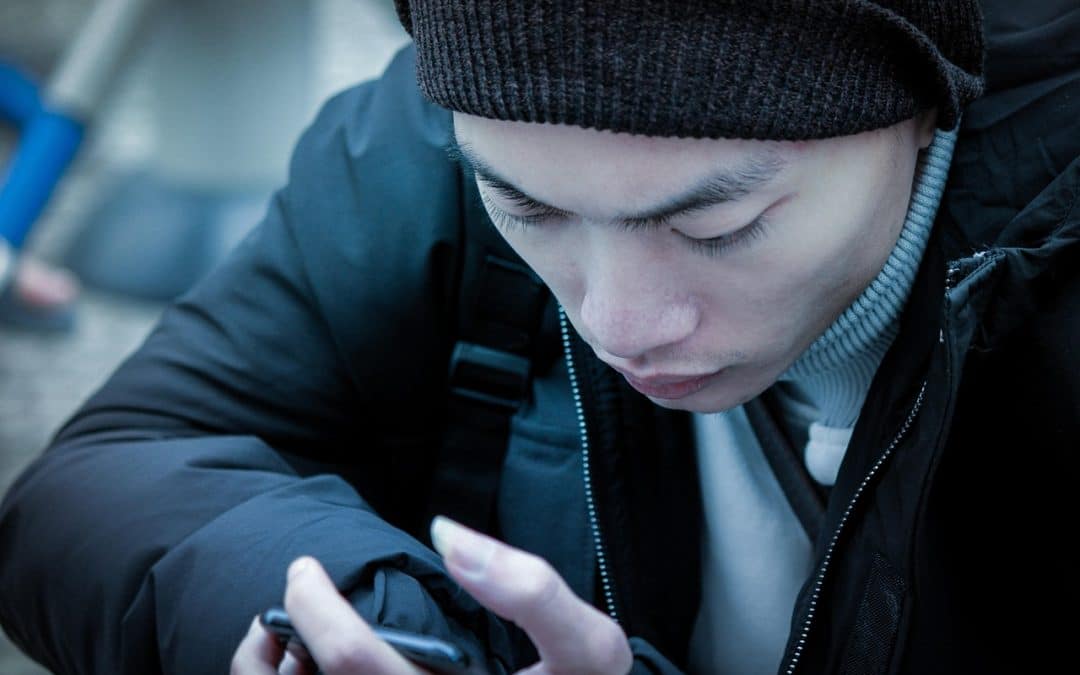
It’s not a great habit. Every morning, I grab my phone and do a quick scan of social media. One of the first images I saw yesterday shook me to the core.
A small girl, face redacted, is being exploited. She was about the same age as I was when things started happening to me. While I couldn’t see her face, I saw enough to recognize that she looked somewhat like me at that age. I hadn’t slept well the night before, and my pain levels were already bad. I felt sick, hollowed out, and numb. I didn’t really make it out of bed. I cried off and on all day, barely eating, not wanting to talk.
These are trying times for survivors of childhood sexual abuse (CSA). As troves of files from one of the world’s most notorious modern sexual abuse scandals are released in waves, survivors are confronted with unwelcome images and details that can be deeply triggering.
The names of victims were among the unredacted information—a reminder of how painful this can be for those who have continued to suffer in the public eye. Not only are we seeing the photos and emails, we’re also subjected to endless jokes, memes, speculation, sensationalized clickbait, doubt and accusations of evidence of being falsified, dismissals from people saying that this not a big deal and it’s all in the past and we should move on, as well as cries to our fellow citizens to take off the blinders and finally see what’s being presented to the world.
It’s a lot.
More than some of our nervous systems can handle.
As people around the world reckon with terrors beyond their imaginations, those of us who had such things be our unfortunate reality are left to witness their disbelief and horror. As a survivor, I get a unique view into how our voices have been silenced. I remind myself that my reaction can be jaded because these experiences are so deeply embedded in my body that I lived in a state of chronic dissociation for years.
I had the good fortune to be part of an amazing program for survivors of childhood sexual abuse last year. Rachel Grant’s Beyond Surviving was one of the best programs I’ve encountered on my healing journey. It was also one of the most difficult: I spoke about things that I’d never said out loud before. The trauma release sessions left me so exhausted that my whole body ached for days. With every release of evidence from the files these days, it tests my ability to cope and to maintain resilience.
I work in digital strategy, and spending time on social media is a core part of my job. I’ve gathered some tips to help practice self-care and wanted to share them here. While no one solution will take care of the problems 100%, a mixture can at least greatly reduce exposure to content you’d rather not see.
- Every major social platform has features to block content by keywords. While this doesn’t block everything, it can take care of a lot.
- Report and block accounts that are sharing child sexual abuse materials (CSAM), or really, anything you could do without. Don’t let anyone tell you that you’re living in a bubble. As humans, we’re not meant to be drowning in a tsunami of content. While some major platforms aren’t great about removing content, blocking, or muting can do a lot to help your mental health!
- Use a paid social media blocking app if you’re struggling with the temptation to stay informed. As survivors, we may have an urge to support and bear witness to our fellow survivors. It’s up to you to decide what your limit is.
- If a particular channel is overloaded with CSAM or rage bait designed to get people arguing, maybe it’s time to stop visiting. Give it a break, or just uninstall the app. Uninstall all of them if you have to, and take an extended break for as long as you need to.
- Contact your local representatives and senators and ask them to support sensible measures to prohibit AI-generated CSAM, which has been a growing problem making headlines.
- And while this seems like common sense, take it from someone who’s been known to get enmeshed from time to time: don’t jump into the fray. There are literally millions of bots and paid trolls who are seeking to get people upset with rage bait. They may have normal profile pics and bios, and in the fleeting, heated moments of online debates, you may be tempted to argue. Don’t feed the trolls! See point 2—block or mute accounts freely. Don’t share triggering content in an effort to shock people into understanding the trauma of being a survivor. It may get you banned, and arguing online often results in the backfire effect, in which the person you’re arguing with doubles down and gets even more aggressive.
- If you have a support system, ask for help! When I’m on my laptop or phone, my husband will sometimes pass by and check in: asking if I’m okay, am I doomscrolling? Do I need to take a break?
Even though I’ve described myself as “chronically online” for years, events of the past couple of years have started to change me. I do my work on social media as needed, but my evenings are now reserved for non-digital activities. I crochet. I work on art. I read books or write in a journal. According to my symptom tracker, there’s a noticeable improvement in my mood and emotional health since I’ve started doing so.
I was born long before social media existed, and I’m finding a lot of value in returning to an offline life as much as I feasibly can.
Photo Credit: Pixabay
Guest Post Disclaimer: This guest post is for educational and informational purposes only. Nothing shared here, across CPTSDfoundation.org, any CPTSD Foundation website, our associated communities, or our Social Media accounts, is intended to substitute for or supersede the professional advice and direction of your medical or mental health providers. The thoughts and opinions expressed are those of the guest author and do not necessarily reflect the views of the CPTSD Foundation. For further details, please review the following: Terms of Service, Privacy Policy and Full Disclaimer


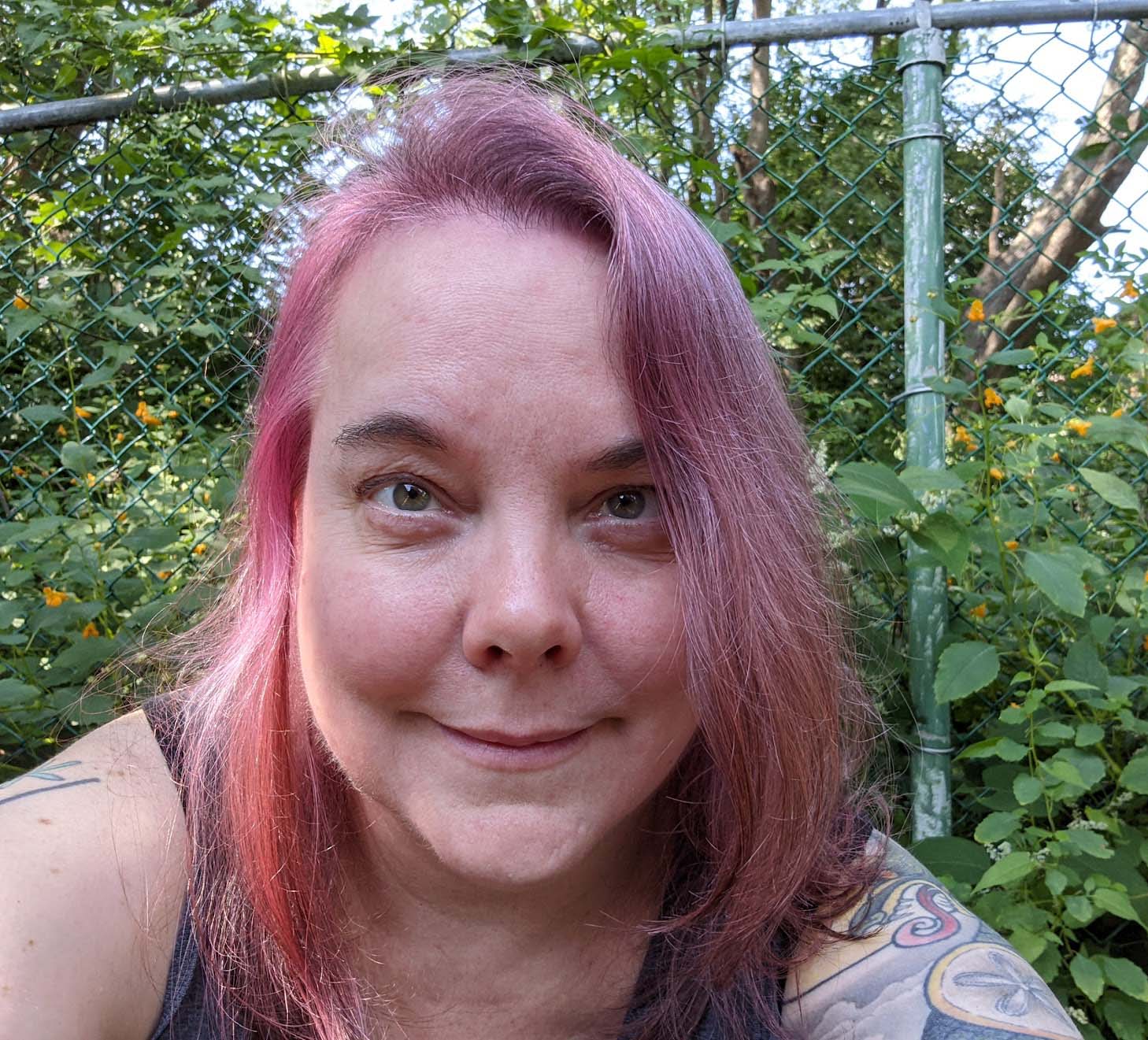
Lee Frost has worked for nonprofits and marketing agencies focusing on healthcare for the past twelve years. She has a blog about perimenopause and CPTSD called the Sinsemillier, and is working on a trauma-informed education program called the Shapeshifting Crone to help people with chronic illness and disabilities who have experienced medical trauma and gaslighting. Lee grew up in the Boston area and has a master’s from Harvard Extension School and has earned several certifications in trauma-informed care. She lives north of Boston with her husband, where they both love to nerd out on sci-fi and fantasy.