
What Do Your Clothes Say About You?
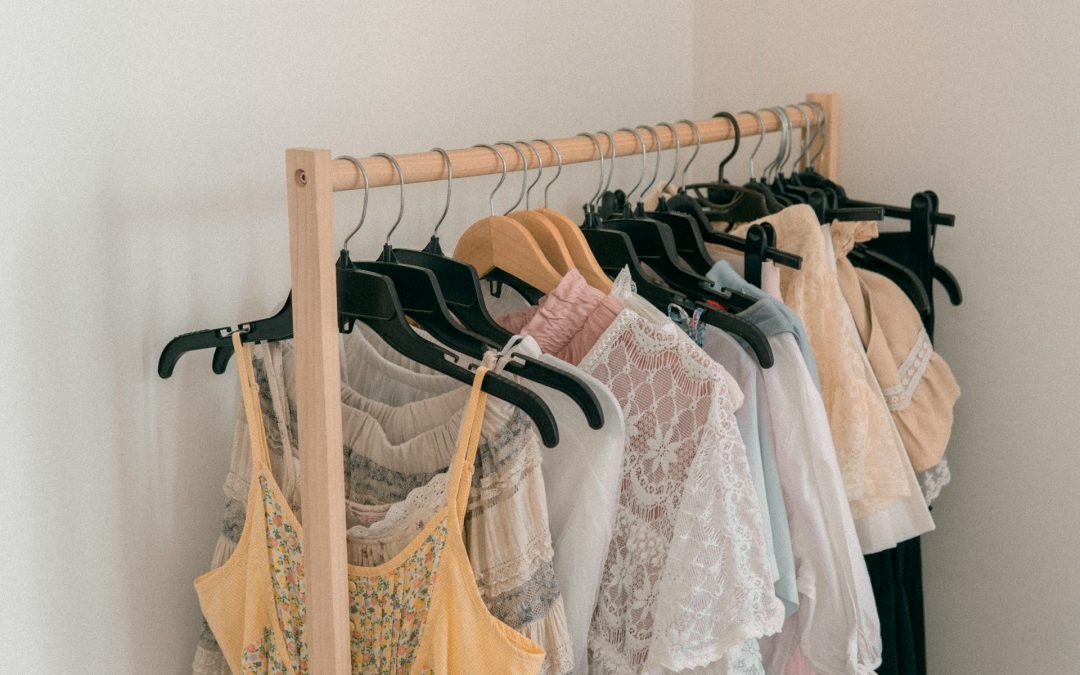
I was helping one of my friends move house recently. We’ve been friends since college, and she asked me to help her box some of her old stuff for the movers.
Her teenage girls were packing up their clothes, and I couldn’t help hearing some of their conversation. They talked about how they looked in different outfits and what other kids wore at school.
What do your clothes say about you?
Do you wear smart suits to work, or can you turn up in more relaxed outfits?
What type of clothes do you feel most comfortable wearing?
I have boys, and I don’t have the same clothes conversations with my kids. They wear comfortable clothes that they can play sports in and get dirty. Maybe this is where boys and girls differ the most?
Helping my friend pack up her things made me think about what we value and what we choose to throw away.
The years go by as we change jobs, careers, and have kids. We go through phases of happiness and sadness, and our clothes change with us. I guess fashion has little to do with it as well when trends come and go.
Women change sizes during pregnancy because of the “baby weight.” After the baby is born, it can take months, even years to get back to the pre-kids’ figures, especially if you breastfeed.
I find it interesting to look at what people wear in public and how it differs for those who must wear smart clothes to work. I often wonder what goes through people’s minds when they choose some clothes over others.
You’ve seen the moms wearing athletic gear, pretending they still have the same bodies from years before. Teens wear pants that hang down to their ankles and show their underwear. Other teens walk around with miniskirts and so much make-up; you can’t tell what’s fake or real.
Do we really need to see that much cleavage, or that much skin?
It makes me wonder what goes through their minds. What makes people choose loafers over sneakers, tank tops over T-shirts, or pants over dresses?
Psychology Explains: Your clothing choices function as silent language
Did you know that your clothes really do reveal your personality, values, mood, and social identity to the world?
Yep, it’s true and here’s how it works.
Clothing as self-expression
Did you know that the colors you choose can elevate your mood and enhance your self-confidence?
It’s true that different color hues affect your emotions and feelings including your perception of the world. Bold colors, for example, can make you feel energetic and more assertive whereas softer and muted colors can create a calm and friendly vibe.
What color is your closet mostly made up of? Do you prefer black and grey over pastels, or do you mix it up? Do you wear florals, bold colors, and patterns, or are you more of a plain and simple clothing person? Do you accessorize with bold earrings and jewelry?
Clothes are more than just different materials that look good (or not) when you wear them. They express who you are to the world without words.
Every clothing choice that you make, from style and color to the way they fit your body sends subtle messages about your personality, confidence, and mood. Even the accessories you choose can give people a clue of what you are feeling that day.
I never thought that my clothes mattered that much until I became a mom. Until then I was sporty and wore clothes in which I could exercise. I noticed how new babies got people’s attention and opened conversations with big smiles. It made me want to look nice too.
I’m sure you’ve had many events and occasions where you wanted to make a good impression on the world. Wearing nice clothes can brighten up your day.
Style and Personality Types
There are many different types of dressers that say different things about your personality.
The classic Dresser
This is someone who wears tailored suits and neutral grounded colors. This style shows a practical and reliable person who has a structure and methodical life.
The Bold and Eclectic Dresser
This is the person who wears bright colors, big patterns, and unconventional combinations. This type of dresser reflects a creative individual who wants to stand out.
The Minimalist Dresser
This is the simple and functional dresser who prefers muted and grounded tones, with a focus on toned down elegance.
The Bohemian or Free-Spirited Dresser
This is a relaxed and open individual who chooses to dress in loose, flowing garments and eclectic accessories. They are often open and unique personality types.
Social Perception
Research has proven that people form impressions of people within seconds based on the clothes you wear. Clothes that fit your body shape well, can make you seem more confident, successful, and competent. Even if the person who notices you knows nothing about you, your clothes carry a vibe.
The way you dress can also influence how other people become aware of your social status, attention to detail, and personality. This makes clothing a powerful tool for non-verbal communication.
Imagine if you are giving a speech at a conference about a topic that you know well but you’ve never spoken to a room of hundreds of people before. The way you dress can help you with your confidence and get people to listen.
Mood and Psychological Impact
Your closet can affect your own emotions and behavior too. Wearing comfortable clothes is great to give you a sense of security, while dressing smartly can boost confidence and influence how you socialize with others.
The way you dress reflects subconscious desires, mood, or the image you want to give those around you.
If you have a big presentation at work, think about what you’re wearing and what message it conveys to your audience. You don’t want your boss to ogle your cleavage for the entire meeting!
Takeaway
When you understand what your clothes communicate to others, you can make intentional choices that work with your personality and goals. Whether you want to express creativity, professionalism, or comfort, your closet can serve as a visual narrative of your identity, which shapes your self-image and how others perceive you.
I looked at my own closet when I got home, and my clothes said a lot about the person that I am. Like my positive and happy personality, I wear colors, floral, dresses, and pants. I don’t worry about what I wear because I buy my clothes for comfort and to make me feel good about myself. I wear smart clothes at work and more comfortable clothes when I get home.
I wasn’t always this person. When I was younger, my clothes hung on me like a burlap sack. I dressed that way so that people couldn’t see my female shape so they would leave me alone. I also wore mostly dark colors that didn’t stand out.
My name is Lizzy. I’m a trauma survivor, a wife, a mom, a teacher and an author.
If you like reading my posts, then please follow me.
For more about me: www.elizabethwoodsauthor.com
Support your fellow writer:
https://ko-fi.com/elizabe69245484
- Mental Health Matters
- What Do You Overcome Every Day?
- What is Your Inspiration?
- How Do You Manage Your Stress Levels?
Photo Credit: Unsplash
Guest Post Disclaimer: This guest post is for educational and informational purposes only. Nothing shared here, across CPTSDfoundation.org, any CPTSD Foundation website, our associated communities, or our Social Media accounts, is intended to substitute for or supersede the professional advice and direction of your medical or mental health providers. The thoughts and opinions expressed are those of the guest author and do not necessarily reflect the views of the CPTSD Foundation. For further details, please review the following: Terms of Service, Privacy Policy and Full Disclaimer
- About the Author
- Latest Posts

For more about me: https://www.elizabethwoodsauthor.com
Elizabeth Woods grew up in a world of brutal sex offenders, murderers, and inconceivably neglectful adults. Elizabeth is passionate about spreading awareness of what it is like to survive after trauma. She is the author of several books and has written her memoir, telling her childhood story: The Sex-Offender’s Daughter: A True Story of Survival Against All Odds, available on Amazon Kindle and paperback.
Elizabeth is also the author of “Living with Complex PTSD” and the Cedar’s Port Fiction series: “Saving Joshua”, “Protecting Sarah”, “Guarding Noah” and “Bringing Back Faith,” and “Restoring Hope,” available here: https://www.amazon.com/stores/author/B0BCBZQN7L/allbooks?ingress=0&visitId=7e223b5b-1a29-45f0-ad9d-e9c8fdb59e9c&ref_=ap_rdr&ccs_id=931f96e2-c220-4765-acc8-cc99bb95e8bd