Like many of you, dear readers, I have had certain experiences that led to CPTSD. At one point in my life, my CPTSD had become so overwhelming that I struggled to speak and eat normally, and there were times when I would stutter as a result. Before I got the right diagnosis and finally met a PTSD specialist, I was often misdiagnosed. I was told that I was too sensitive, too emotional, and overreacting.
All these judgments and criticisms made me feel worse about myself. Getting the right diagnosis was a big relief for me. And working with that doctor, a specialist in trauma recovery, helped. Because in all the years before, I was a real specialist in “running away” from situations.
But in this article here today, I want to focus on something much more uplifting: the journey of healing and recovery. I believe it’s important to talk about what helps, what heals, and what inspires us to keep moving forward. My hope is that by sharing these insights, people will find comfort and encouragement on their own path to healing.
Have you ever wondered why some people seem to recover more quickly from PTSD than others?
I certainly have. After being diagnosed with complex post-traumatic stress disorder (CPTSD) and desperate to make my panic attacks stop, I not only worked with a specialized trauma therapist but also read extensively on PTSD to gather as much information as possible.
Sometimes I even found myself arguing with my doctor, asking, “Why does recovery take so long?”
Here is what I learned:
Factor #1: Age at the Time of Trauma
One crucial factor in why some people recover faster than others is their age when the trauma occurred.
Children’s brains and nervous systems are still developing, so when trauma strikes early in life, the younger the child, the deeper and more lasting the impact can be. In contrast, a fully grown adult with a mature nervous system is affected differently by the same event. Therefore, an adult can recover more quickly.
Additionally, an adult has the knowledge and life experience to react and respond effectively in many situations, whereas a child naturally feels overwhelmed and scared because they cannot defend themselves physically and lack that experience. Consequently, the same event is far more traumatizing for a child than for an adult.
This is why trauma in early childhood leaves deeper scars on the nervous system, making recovery take longer and requiring deliberate work with a therapist. Early-life trauma embeds deeper neural and physiological changes because a child’s brain and stress-regulation systems are still developing. These “molecular scars” can be seen in altered gene-expression patterns and circuitry long after the event.
Factor #2: Physical vs. Psychological Wounds
The second factor behind differences in recovery is the nature of the trauma itself. Physical traumas, such as childhood abuse or serious accidents, involve direct bodily harm, embedding deep physiological and emotional wounds. Physical traumas create both somatic and emotional wounds, driving lasting dysregulation in stress-response pathways. Psychological traumas, on the other hand, do not cause a physical injury and are often easier to process and heal.
Factor #3: Cumulative Effects of Trauma
The third factor involves the frequency and accumulation of traumatic events. When situations are repeated or new traumas build on top of earlier ones, they often lead to CPTSD, whereas recovering from a single event is generally easier.
Factor #4: The Importance of Early Support
Another important factor influencing the recovery process is how quickly the person accessed help, emotional support, and a safe environment after the traumatic events. Many children receive no help and suffer in silence for years. Only later, as adults, can they seek support and find a qualified trauma therapist.
This is why, when people say they have PTSD, they may be referring to entirely different experiences. I always ask about their age at the time of the trauma, the nature and frequency of the events, and other pertinent details, since these factors reveal whether recovery will take more or less time.
One example: Relearning Safety and Presence – no longer running away. This was a big one for me to learn. Although most people find it simple, with CPTSD I had to relearn how to feel safe and stay fully present in the here and now – a “simple” skill that’s incredibly hard to master for those of us with CPTSD.
🌿These are just some basic insights to get started. I’ll write more about this in the future.
As always, as with all my articles, my hope is that what I share may encourage others on their path of life.
Feel free to reach out if you have any questions – I’m always happy to share what I’ve learned on my journey.
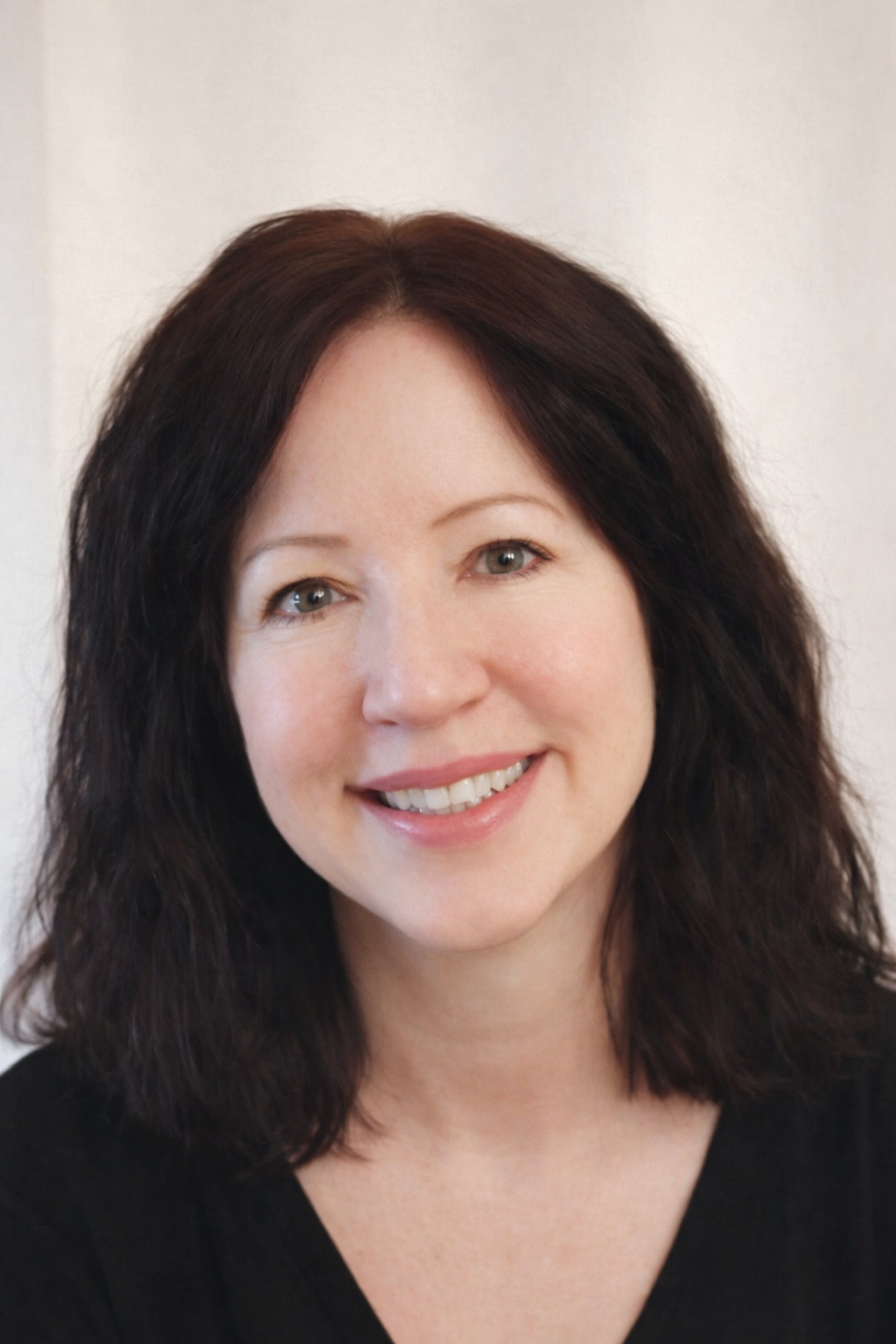
💗 With love, Jeanne
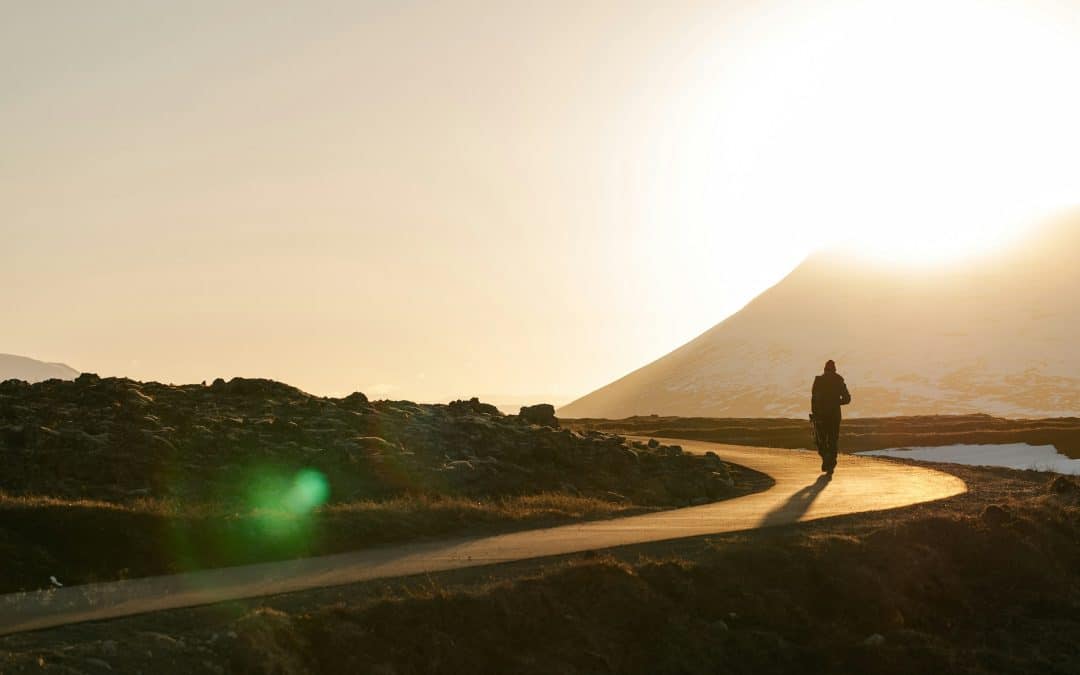
Photo Credit: Unsplash
Guest Post Disclaimer: This guest post is for educational and informational purposes only. Nothing shared here, across CPTSDfoundation.org, any CPTSD Foundation website, our associated communities, or our Social Media accounts, is intended to substitute for or supersede the professional advice and direction of your medical or mental health providers. The thoughts and opinions expressed are those of the guest author and do not necessarily reflect the views of the CPTSD Foundation. For further details, please review the following: Terms of Service, Privacy Policy and Full Disclaimer
Thank you for sharing your experience and knowledge.