Trauma-Informed Blog
New content weekly! Survivor Stories, Research Articles, Poetry, and more written by clinicians, coaches, survivors, and mental health professionals.

Remember...
Important Information About Our Content
Everything you find on this blog, CPTSDfoundation.org, or within our wider digital communities is created for educational and informational use only. No content shared here—whether by our staff or guest contributors—is intended to supersede or replace the clinical relationship you have with your medical or mental health providers. We are here to support your journey with information, but we do not provide medical advice or treatment. Guest opinions are their own and may not represent the views of CPTSD Foundation. Privacy Policy and Full Site Disclaimer, Terms of Service.

Are You Having A Bad Day? Glimmers of Hope in the Darkness
Are you having a bad day, or week? Maybe the whole month hasn’t gone as well as you were expecting it to? Consider the fireflies shining into the darkness in the picture above. Let their lights...

The Club We Never Asked to Join
How many times have you dismissed your past experiences because “others had it worse” or “it wasn’t really that bad?” Too many to count? Yeah, me too. Welcome to the club we somehow became a part...

5 Signs You’re Outside Your Window of Tolerance at Work (And What to Do About It)
For trauma survivors in the workplace, moments of overwhelming stress can suddenly render even routine tasks daunting. These instances often indicate that we’ve exceeded our emotional capacity —...
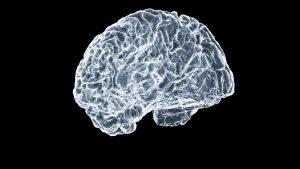
What If They Could Have Felt It? A Trauma-Informed Path to Stopping Cruelty at Its Root
P.E.T. uses trauma-informed VR and biofeedback to give offenders an embodied understanding of the harm they cause—without using real victims.

How Journaling Helped Me Heal: It Can Help You Too
We live in a world that is always on the go — 24/7. The media is broadcasting around the clock, and with the internet, there is always someone awake. It feels like nobody takes the time to sleep...

Treating CPTSD-Related Decline of Self-Esteem among Autistic People
It may be very difficult for autistic adults to secure and maintain employment Autism is viewed as a risk factor for complex post-traumatic stress disorder (CPTSD). Throughout life, autistic...

Raw Healing
In the middle of what I would describe as emotional carnage A lot of the support we seek for anxiety, whether it be a podcast, a blog, or a book, often comes from an educational/informative...

Inner Healing – Who Needs It?
Survivors of childhood trauma have an additional burden—the burden of the past. Life takes a toll on everybody, whether you are a survivor of childhood trauma or not. Some days, I feel like I am...
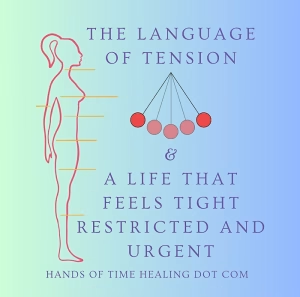
When Body, Mind and Emotions Hold Too Tight
There was a time when I believed tension was simply who I was. My shoulders lived near my ears, my breath barely grazed my ribs, and my thoughts raced ahead of me like a storm I couldn’t outrun....

10 Things You’d Never Know About Grounding Yourself at Work as a Trauma Survivor
As trauma survivors navigating the professional world, we often face unique challenges that our colleagues might not understand. Grounding ourselves during stressful work situations is a crucial...

When Choice Feels Like a Luxury
“Choice paralysis” is a popular term in psychology, meaning the sense of overwhelm some people experience when faced with long restaurant menus or too many clothes on a rack. It can sound...

What Am I Feeling?
What Am I Feeling? Copyright 2024 By Jesse Donahue What am I feeling? It has been four to five years since the concept of a trauma disorder made an appearance and a diagnosis in my life; I am...

What is Complex Post-Traumatic Stress Disorder?
“Complex PTSD comes in response to chronic traumatization over the course of months or, more often, years. This can include emotional, physical, and/or sexual abuses, domestic violence, living in a war zone, being held captive, human trafficking, and other organized rings of abuse, and more. While there are exceptional circumstances where adults develop C-PTSD, it is most often seen in those whose trauma occurred in childhood”.


