Trauma-Informed Blog
New content weekly! Survivor Stories, Research Articles, Poetry, and more written by clinicians, coaches, survivors, and mental health professionals.
Remember...
Important Information About Our Content
Everything you find on this blog, CPTSDfoundation.org, or within our wider digital communities is created for educational and informational use only. No content shared here—whether by our staff or guest contributors—is intended to supersede or replace the clinical relationship you have with your medical or mental health providers. We are here to support your journey with information, but we do not provide medical advice or treatment. Guest opinions are their own and may not represent the views of CPTSD Foundation. Privacy Policy and Full Site Disclaimer, Terms of Service.

CPTSD and Pride Month
Repeated exposures to traumatic events. Events that overwhelm one’s sense of identity, capacity to comprehend what’s occurring, and force the body into a state of constant...

Befriending the Ache of Awakening From Survival
Taking the Edge Off Sadness There can be a sadness that emerges when we begin to truly see, when we wake up to the realization that we have lived much of our lives in survival stress. It is the...

Leading with Complex Post Traumatic Stress Disorder (CPTSD): Healing for Ourselves and Those We Lead
Introduction As leaders, many of us are driven by a deep desire to make a positive impact and support those around us. However, for those of us navigating the challenges of Complex Post-Traumatic...

My Best Friend in the Psych Ward
TRIGGER WARNING: Writer’s Note: This post contains references to suicidal ideation, sexual assault, and psychiatric ward experiences. Names have been changed. Five words got me tied up on a...

An Open Heart Doesn’t Always Mean a Broken Heart
Vulnerability and Trust Can Be the Hardest Work We’ll Ever Do My therapist recently had the audacity to applaud my progress, reminding me that I’m “the one doing all the work.” A part of me...

The Power of Non-Linear Storytelling
Storytelling connects us to the world around us, to the forests and mountains and critters in our city parks I believe in storytelling to understand others and ourselves. Storytelling connects us...

Fawn Response: The Trauma Survival Pattern That’s Mistaken for Kindness
Many trauma survivors unconsciously adopt the 'fawn response' to stay safe, often praised as being selfless or kind. This article exposes the biology behind it, the psychological cost, and the steps to recognize and recover from it.
Navigating Triggers and Emotions: Strategies for Trauma Survivors in the Workplace
Introduction As trauma survivors, we often face unique challenges in the workplace related to managing triggers and intense emotions. The number one request that I get from trauma survivors is to...
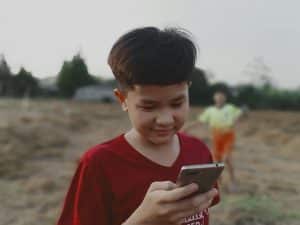
A Child Making Friends with Chatbots: What’s the Problem with That?
The smartphone phenomenon has been impacting the milieu in the United States for well over 15 years. Some of us can remember what life was like before smartphones were put into the hands of...
The Body’s Quantum Intelligence: Unlocking Healing Through Embodiment
“We are the cosmos made conscious, and life is the means by which the universe understands itself.” – Brian Cox, physics professor and musician Feelings of numbness, detachment, depletion, and...

I Look Perfectly Normal, but You’d Never Guess How I Got Here
“It’s amazing you survived. How come you’re so…normal and happy?”That’s what people say when I tell my story: parental neglect, sexual abuse, homelessness, being trafficked. My answer? I never...

Self-Image
Hey, how are you feeling today? Have you taken some time for yourself today? If you are a survivor of trauma and abuse, the answer is probably not. As survivors, the last person we think about is...
What is Complex Post-Traumatic Stress Disorder?
“Complex PTSD comes in response to chronic traumatization over the course of months or, more often, years. This can include emotional, physical, and/or sexual abuses, domestic violence, living in a war zone, being held captive, human trafficking, and other organized rings of abuse, and more. While there are exceptional circumstances where adults develop C-PTSD, it is most often seen in those whose trauma occurred in childhood”.


