Trauma-Informed Blog
New content weekly! Survivor Stories, Research Articles, Poetry, and more written by clinicians, coaches, survivors, and mental health professionals.
Remember...
Important Information About Our Content
Everything you find on this blog, CPTSDfoundation.org, or within our wider digital communities is created for educational and informational use only. No content shared here—whether by our staff or guest contributors—is intended to supersede or replace the clinical relationship you have with your medical or mental health providers. We are here to support your journey with information, but we do not provide medical advice or treatment. Guest opinions are their own and may not represent the views of CPTSD Foundation. Privacy Policy and Full Site Disclaimer, Terms of Service.
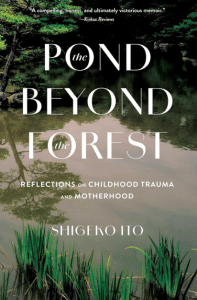
My Book Journey: Making the Invisible Visible
This is my first—and quite possibly my last—book, which I see as my legacy project. This writing journey has been long and arduous, but persistence ultimately prevailed, and I finally reached the...

What Your Family Didn’t Say Still Got Passed Down
Trauma rarely stops with one generation. Epigenetics and family systems can pass stress and survival habits forward—and naming the pattern is how you break the cycle.

Returning to Work after A Mental Health Break: Tips and Strategies
Taking a mental health break is a courageous step towards self-care and personal well-being. As you prepare to return to work, it’s natural to feel a mix of emotions — excitement, nervousness,...
Are You Living in Fear? (Stuff We Don’t Talk About)
This post is darker than my normal posts, but I feel it’s time to address it. Fear. How are you doing today? I mean, really. Are you having a good day, or a not-so-great day? I’m deliberately not...

Drowning in Drama: When Calm Feels Like a Threat Instead of a Relief
Chronic crisis behaviors in trauma survivors aren’t about attention. They’re rooted in hardwired neurobiology, amplified by modern tech, and misunderstood by almost everyone.

CPTSD and Physical Illness
Going about daily life living with CPTSD is a herculean feat in and of itself Both external and internal triggers can spark memories, emotional volatility, and mistrust. Feeling secure and...

When Body, Mind, and Emotions Hold Too Tight
The Weight of Tension: bare with, this is quiet an extensive blog written to answer a couple of questions by some of my readers I have also added a video link to help you get a feel for this...

Understanding Your Professional Window of Tolerance: Signs You’re Moving Out of Your Optimal Zone at Work
As trauma survivors, many of us have become experts at pushing through discomfort at work. We’ve learned to override our body’s signals, power through overwhelming situations, and keep going no...

The Fire Within: Fighting for Freedom
When I started therapy with the dozenth therapist of my life, my world was on fire. The flames of chaos once again swallowed my life. I attended the first few sessions of therapy, desperate to...

When Anxiety Ran My Life… Here’s How I Reclaimed Control
Post-divorce back in 2006, starting over felt like stepping into a storm without an umbrella. Life had taken an unexpected turn, and I was scared - terrified, really - that I wouldn’t be able to...

Don’t Be A Doormat: How Saying Yes Too Much is Silently Breaking You
We’ve all done it, saying yes when we don’t want to. So, why do we do it to ourselves? Why don’t we just say what we feel? The truth isn’t as cut and dry as you would think. Excuses — right? That...

Easing Back In: Part-time and Flexible Work Options for Trauma Survivors
Taking time away from work to focus on your mental health is a courageous and necessary step in your healing journey. Now, as you contemplate returning to the workforce, you might feel a mix of...

What is Complex Post-Traumatic Stress Disorder?
“Complex PTSD comes in response to chronic traumatization over the course of months or, more often, years. This can include emotional, physical, and/or sexual abuses, domestic violence, living in a war zone, being held captive, human trafficking, and other organized rings of abuse, and more. While there are exceptional circumstances where adults develop C-PTSD, it is most often seen in those whose trauma occurred in childhood”.


