
One sweltering July when I was fifteen, I was camped out on a shaded picnic bench at nerd camp. While furiously pushing the buttons on my calculator and drilling exercises for my upcoming exam, I heard rustling in the grass ahead of me. When I looked up, I saw a small army of dudes wearing backwards hats marching toward me.
Oh, it’s Brad. I rolled my eyes, wondering what he wanted this time.
Brad stood, arms crossed, at the head of his minions. (Brad had the illustrious role of the most popular guy at nerd camp. And, please, take that with a grain of salt… because it was still nerd camp!) In perfect formation behind Brad were two of his posse members. Let’s just call them both Chad.
With an intimidating demeanor, they stopped in front of the picnic table. Brad looked me in the eyes and blurted out:
“I’ve got to tell you something, Natalie. You’d be so pretty if it weren’t for your skin.”
With that, Brad and his Chads turned around and walked away laughing. I buried my head, and the symbols, notations, and numbers in my textbook became indistinguishable from my sea of tears.
My skin condition develops
I wasn’t born with severe acne and rosacea. I went through the usual phase of adolescent acne, which cleared up as I went through puberty. However, during my first year of high school (and coinciding with the onset of my CPTSD), my skin began to deteriorate. At the time, I didn’t understand what these flashbacks were or why they were triggering such intense emotions in me. Nevertheless, at age fourteen, I began a more than ten-year battle with both cystic acne and rosacea.
Endless criticism and mockery
Brad and his Chads definitely weren’t the only ones who shamed me about my skin. For years, not a day went by without someone mocking it or, at the very least, pointing it out for me – as if I wasn’t already aware of it.
I wanted to scream back at them: “I’m not stupid! I know it’s there. It’s literally burning right now. Please, be my guest and touch it! Make it burn even more!”
But I kept quiet and internalized the pain. Nightly, I writhed in bed, haunted by traumatic memories. I screamed agonizingly into my pillow as my akathisia made me restless and agitated. Through it all, my skin burned and burned.
No filters and unsolicited advice
Some people have no chill. The comments I received were ruthless, with kids being the harshest. I can’t blame them – they say exactly what they think. Even more biting than the blunt munchkins were the elderly Southern women with no tact who offered me unsolicited advice in that condescending “awww, bless your heart!” kind of way.
One woman told me she believed Jesus had the power to heal my skin and asked if she could pray for me. She grabbed my hand, bowed her head, and asked Jesus for a miracle. Another woman interrupted a Zoom call I was taking outside a coffee shop, sat down at my table uninvited, and gave me a five-minute pep talk, telling me to “keep fighting and stay strong.”
While much of the criticism was petty, belittling, or condescending “help,” some people were just downright cruel. I’d like to award silver, bronze, and gold medals to the most creative names that hateful adults called me over the years: “Girl on Fire,” “Tomato Face,” and “Rudolph the Red-Nosed Reindeer.”
(I admire your creativity, but please, find your humanity!)
Regardless of their approach, they would always conclude their condescending remarks with a “positive” reminder like: “Don’t worry, you’re still so beautiful” or “Keep smiling, though. Your personality makes up for it.”
I’d wait until I got back to my car to let the tears flow, their saltiness making my rosacea burn even more.
Frantically searching for a cure
If these tone-deaf women were right about one thing, it’s that I kept a smile on my face regardless. Each time I moved my facial muscles to smile, though, every centimeter of my skin would burn in agony. I didn’t wear makeup because it only accentuated the redness and intensified the pain.
For years, I tried all sorts of dermatological treatments to eradicate my Tomato Face. I took antibiotics that ranged from mild to the most potent available. I underwent laser and microneedling treatments. I even went through multiple rounds of ActiveFX surgery, where I was put under anesthesia and had to recover for an entire week indoors, avoiding sunlight as the blisters healed. I tried everything, but nothing dermatology offered could make my face the same color as my body.
The reality of my condition
It wasn’t until embarking on my healing journey and rejecting the narratives of mainstream medicine that I realized my skin condition wasn’t strictly dermatological. Once I quieted the outside world, I realized my skin condition was emotional. Although I couldn’t articulate this understanding until over a decade after its onset, my heart conveyed what autoimmune blood tests, Dr. Google, and dermatologists’ confusing opinions could never validate: the redness stemmed from the repressed emotions linked to my trauma.
My skin knows what I’ve survived
While the outside world may have only seen my Tomato Face for its fiery color, my skin understood what I was enduring better than anyone.
My skin believed me and listened to me when no one else would.
My rosacea comprehended the traumas I was enduring during a time when I desperately sought answers from “specialists” and “experts” who dismissed me as mentally ill and suggested I was worthy of institutionalization.
My rosacea reflected the pain of the blood-curdling screams that erupted when I was alone in my apartment, tormented by the flashbacks I had no idea how to exorcise from my mind, body, psyche, and soul.
My rosacea was the barrier for all the times I wanted to lash out at my perpetrators, scream in their faces, and give voice to the pain they caused me. Instead, I kept silent and went home to scream at myself in the mirror.
My skin reflected the red flashing lights of all the ambulances that arrived at my apartment in the middle of the night because of panic attacks, hallucinations, and akathisia.
My skin was a billboard, screaming my inner turmoil even when the world assumed I was in control.
A love letter to my skin
My skin is far from perfect today, but I’ve made incredible progress since discovering the root cause of its issues: my bottled-up emotions. I wrote a love letter to my skin and hung it on my mirror so I can read it aloud every morning.
To my precious skin,
How are you doing? Really, how are you? Has anyone asked you that lately? If not, I want to be the first to do so.
You’ve been through so much pain. I’m truly sorry for all the ways you’ve been violated over the years. I know the comments from outsiders don’t make it any easier. Sometimes, people mock you. Other times, they stare in horror, disgust, or bewilderment. Or they offer unsolicited advice on who you “need” to be to be considered perfect.
I believe you are already perfect, and I love you very much. I never intentionally harmed you. I have been doing everything I can to nurture you and protect you. I am working hard to give you the life you deserve. One day, you will be completely restored, just as I will be fully restored to who I always was. The flashbacks will be gone.
I will never give up on you. Thank you for never giving up on me. Thank you for showing the world that I am a trauma survivor. Thank you for believing me, seeing me, hearing me, listening to me, and understanding me. Thank you for being one of the most beautiful aspects of me. Thank you for making me… me.
Take all the time you need to heal. You are perfect just the way that you are.
With love,
Natalie
All the progress I’ve made
Recently, I was sitting at a picnic table in a local park, enjoying the sun. Two little girls, around the ages of four and six, pranced up to me from another picnic table. They began climbing all over me, showering me with compliments.
“I love your earrings! I love your shirt! You’re so pretty! Can you be our big sister?”
I braced myself, anticipating the moment they would stop being so sweet and start laughing at my skin. I followed their eyes, expecting them to linger on one of the bulging cysts on my chin. However, their gazes never went where I thought they would. They were focused on me, the whole Natalie.
I was filled with an overwhelming sense of love, reminding me how much I look forward to becoming a mother one day. I fought back tears, realizing for the first time in a long time that children no longer see my skin that’s the color of a firetruck. They see me. I’ve made so much progress in my recovery.
They turned back to their mom, shouting across the way, “Mama! Can she be our new sister?”
My skin makes me… me.
My skin is a symbol of my strength. I am confident that one day my skin will fully heal. However, no matter how much I desire its complete restoration, I will never expect perfection. Even if traces of my past skin condition remain, I won’t fret. I will forever cherish the scars that stay with me. They are the souvenirs of everything I’ve survived.
To my readers who have been following my journey: I am excited to share that I have created a personal blog called “Little Cabin Life.” This blog chronicles my healing journey, where I share my experiences and the things I am doing to support my recovery. You’ll also find tips that have been helpful to me along the way. If you’re interested in following my story, please feel free to visit www.littlecabinlife.com.
Guest Post Disclaimer: Any and all information shared in this guest blog post is intended for educational and informational purposes only. Nothing in this blog post, nor any content on CPTSDfoundation.org, is a supplement for or supersedes the relationship and direction of your medical or mental health providers. Thoughts, ideas, or opinions expressed by the writer of this guest blog post do not necessarily reflect those of CPTSD Foundation. For more information, see our Privacy Policy and Full Disclaimer.


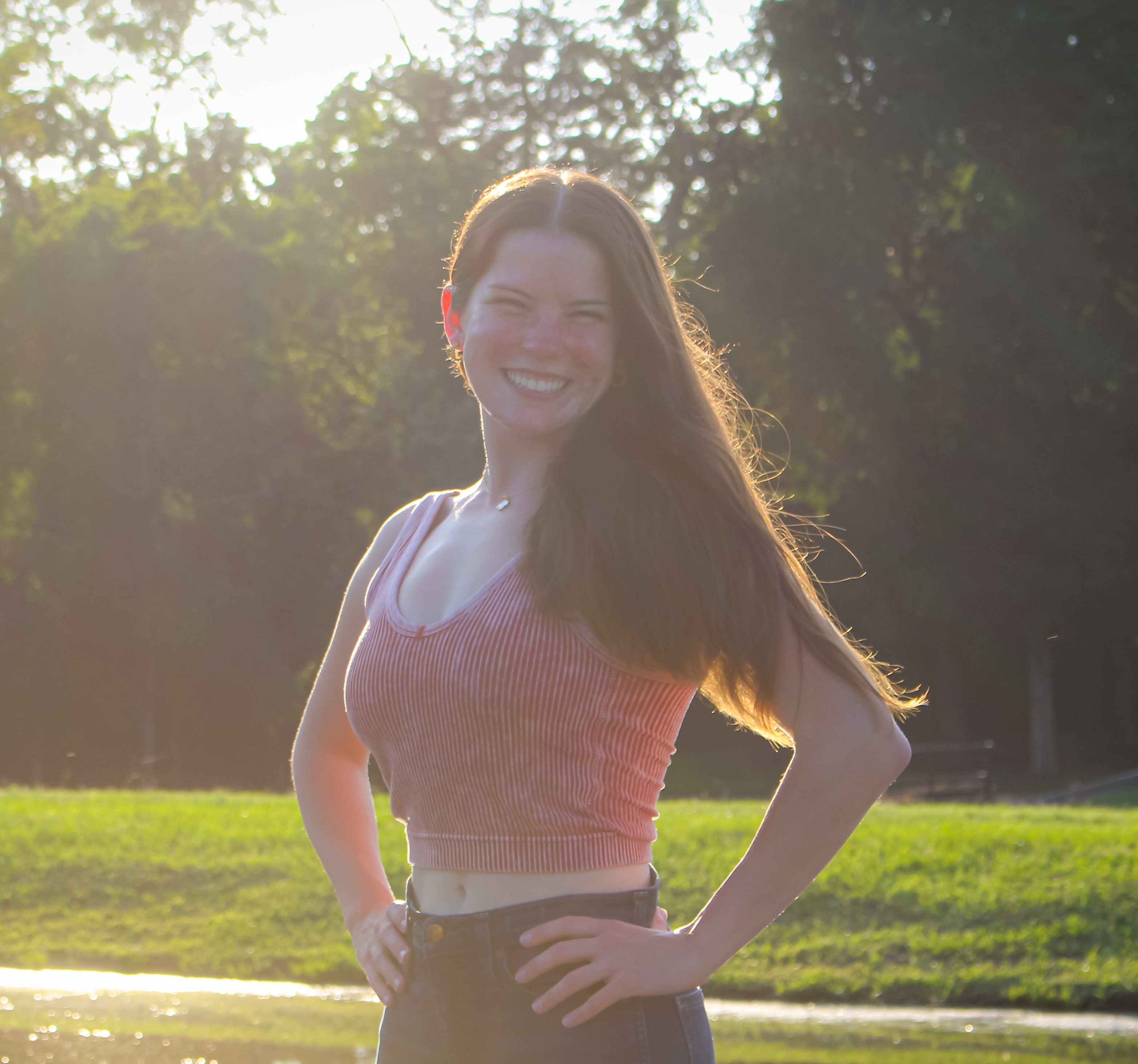
My name is Natalie, and I am a survivor of about 13 years of absolute psychological torture from Complex PTSD symptoms. For the longest time, I thought I was inherently sick and broken beyond repair. I spent over a decade running around in circles in the medical system trying to figure out what was “wrong” with me and how to “fix” it.
♡ What is Complex PTSD? ♡
Complex PTSD symptoms come from severe, prolonged, and numerous incidents of trauma, typically of a relational nature. Symptoms can come from any type of trauma, though, and the trauma doesn’t necessarily have to stem from childhood — adults can develop CPTSD as well. Trauma can damage the brain and shrink the hippocampus, causing many of the symptoms of CPTSD. I decided to go public with my story to be a voice for the voiceless. There are too many survivors being told CPTSD is a lifelong sentence, and they are not being given the tools they need to overcome their symptoms.
♡ My Story ♡
I endured multiple types of traumas starting at around age thirteen, including numerous situations of both individual and large-group interpersonal cruelty. Some of these situations forced me to switch environments. My body couldn’t fathom what was happening, and my nervous system shut down. I saw danger everywhere, operated in a panicked survival mode, and lived in fear, anxiety, and isolation. I did my best to appear “normal” on the outside, keep a smile on my face, and control what was happening on the inside, distracting myself with extreme workaholism and doing nice things for others. I took active steps to keep branching out in confidence again, but these traumas kept piling onto each other and overlapping. I wasn’t ready to give up yet, though, because I knew my family and friends would be distraught if I did. The most difficult and heartbreaking part of my story is that the two communities I set out to seek healing in—religion and the medical system itself—caused further trauma when some religious leaders, congregation members, and medical professionals chose to take advantage of my vulnerability for their own motives. In most of these situations, I didn’t even realize I was a victim until outsiders pointed it out for me and that my vulnerability made me a target of malicious people. Each future situation of being targeted was just salt on the wound of the original incident.
♡ My Struggles to Find Answers ♡
What I went through all those years was so severe, and my symptoms and physical body reactions as a result were so excruciating that I went as far as to see a neurologist, concerned that my symptoms were the result of some sort of nervous system disorder. However, he returned with no paperwork in his hands to inform me that there was nothing wrong with me but that I was simply completely traumatized, and my body reacted accordingly. I finally realized that my symptoms were not the result of an inherent mental or physical illness and began to take a trauma-based approach to my healing after many years of believing that I was “sick” for the rest of my life. My true progress began when I finally rejected the lies that were told to me that I would have to manage my symptoms for the rest of my life and made the decision to believe that I was fully capable of healing from my excruciating pain.
♡ Finding My Own Healing ♡
I am excited to share tips for natural, somatic, and holistic healing that have helped me overcome things like dissociation, flashbacks, sleep challenges, anxiety, hypervigilance, and more. I began to pursue unique methods of healing after many years of not seeing much progress through westernized care, and this was the catalyst for fast-tracking my healing. I aim to help survivors overcome their feelings of self-guilt, blame, and humiliation and help them realize that their bodies had normal reactions to abnormal situations.
I’m so glad I didn’t give up when my pain felt unbearable. I know what I’ve survived. I know the work I’ve put in to overcome it. I am finally living a life of consistent peace and contentment, and I am sharing my story from the other side. I hope to encourage other survivors that there was never anything wrong with them to begin with and that they are capable of living healthy, happy, and fulfilled lives. I aim to live my life in love of both others and myself, understanding that everyone has a story of their own. I am grateful to the CPTSD Foundation for giving me an opportunity to share my story.
♡ Personal Blog ♡
To learn more about my healing journey, please visit my personal blog, “Little Cabin Life,” at:
littlecabinlife.com
What a fabulous piece of writing. I’m impressed with the honesty and the openness.