How Collaging Brings Me Peace, Confidence, and Empowerment
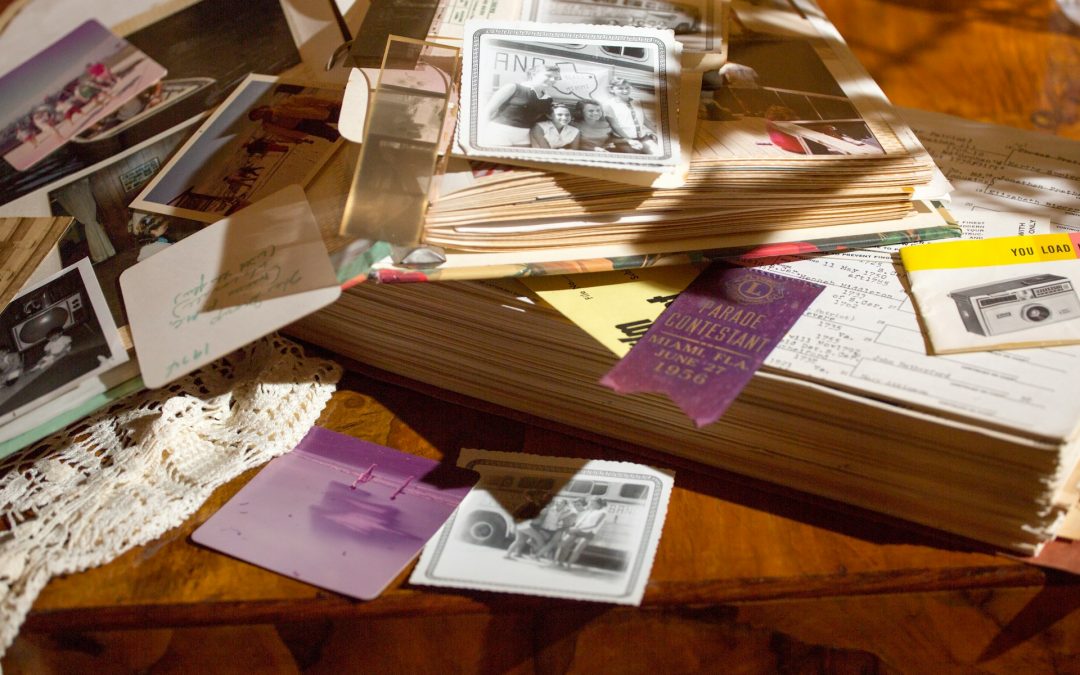
It’s a gloomy winter evening, my seasonal depression is at its worst, and I’ve just finished a difficult day at work. What’s keeping me together? Ripping, cutting, arranging, and gluing pieces of textured paper down on a page in my art journal. My mind goes from vibrating with nervous energy to melting into safety mode as my hands work to rearrange scraps of paper on the page.
I browse an old magazine, flip through some patterned papers, tear off some tissue paper, and imagine how these pieces fall into place. I go from feeling as though I have no control over anything to feeling complete as though I have complete agency over my actions. Now words are needed to express or to analyze how I am feeling. This is a nonverbal process that allows me to experience my emotions in a structured and safe way.
When words fail me in a journal, collage becomes my way of communication and processing without collapsing. The words come later when I am feeling more articulate and centered.
Collaging a little bit every day has been beneficial to my mind, bringing peace to my nervous system. The activity of crafting gets me out of my head as someone who overthinks and easily becomes stuck in a creative block. When my brain becomes too blocked up with thoughts about perfection, the anxiety makes it harder to create.
Collaging gives me the freedom to glue anything I want to paper without overthinking. Additionally, when the stress from vulnerability factors throughout the day puts me in freeze mode, a creative practice, especially collaging, helps me get out of that freeze.
For the days when I’m so stuck in freeze that I can’t seem to find inspiration to collage, I find that watching YouTube videos of other people making art inspires me. In that situation, I sit with the video playing in the background while I make art. It’s as though I am making art with another person in the room.
In fact, if I can, I like to have friends over for crafting. Establishing a sense of community while making collage art is also one way that I ground my anxieties, dread, depression, and trauma symptoms.
Collage also has the benefit of slowing me down when I’m overstimulated. If I sit down at my crafting space, take some slow deep breaths, and put on some slow music in the background, I am telling my body that it’s safe to slow down now. I may stare at a pile of paper scraps, slowly letting my fingers pass along the texture of each one, noticing the colors and patterns. Letting some ink, glue, or paint get on my fingers is extremely satisfying in the process, as well. This slowing-down process detangles my thoughts from mental constipation, opening up my creativity.
As someone who struggles to name my strengths, I find collage an empowering tool that builds confidence in my artistic abilities.
I have a lot of trauma from my formative years in school, as I was a child who struggled academically early on. Teachers expressed disappointment, and my peers called me stupid. I even had one teacher call me stupid. So ever since then, I’ve carried these experiences with me into adulthood.
Recently, I’ve found collage to be a tool that empowers me to look at my work and feel good about it. It gives me the confidence to keep working in other creative outlets, such as painting, drawing, and writing.
Being able to piece together a whole new image from a bunch of ripped-up images is like putting myself together after falling apart. It’s not only satisfying to rip, cut, glue, touch, and smell the materials. The tactile experience is both internal and external. When I come home from work feeling dysregulated, sitting down with a blank art journal page to create a collage creates a sense of warmth and safety within me.
In making collage, I am communicating with myself, externalizing my inner experiences so they don’t create more wounds.
Photo Credit: Unsplash
Guest Post Disclaimer: This guest post is for educational and informational purposes only. Nothing shared here, across CPTSDfoundation.org, any CPTSD Foundation website, our associated communities, or our Social Media accounts, is intended to substitute for or supersede the professional advice and direction of your medical or mental health providers. The thoughts and opinions expressed are those of the guest author and do not necessarily reflect the views of the CPTSD Foundation. For further details, please review the following: Terms of Service, Privacy Policy and Full Disclaimer
- About the Author
- Latest Posts

Collaging sounds like a unique way to express yourself. What kinds of materials do you usually use?