
The Overlap of ADHD and PTSD: Why the Brain Works Overtime

Understanding Increased Vulnerability and Symptoms: Beyond the Diagnosis and Survival Instincts
During all those years before I finally got the right diagnosis of PTSD and AuDHD, chronic failure was a painful part of my life, both privately and at work. I often lost my jobs and I struggled in relationships, all of this without knowing why.
Living in a society where everybody is always so fast and harsh judging you based on your professional career and performance, chronic failure without knowing why can break you. I spent years feeling ashamed of myself, until finally a doctor took the time to do the right tests. Hearing the words, ‘None of it was ever your fault,’ was more than a big relief for me.
This is my personal reflection and what I learned about ADHD, Trauma, and the Path to Recovery:
For those living with both ADHD and PTSD, understanding the connection between the two can be a powerful step toward healing. Here is a brief overview of how these experiences often overlap. While a majority of individuals with ADHD may eventually adapt to adversity, they remain at a higher risk for more severe outcomes following traumatic events.
Some of the Key Reasons for Increased Vulnerability:
- Higher Risk of PTSD: People with ADHD who experience a traumatic event are roughly four times more likely to develop Post-Traumatic Stress Disorder (PTSD) than their peers without ADHD.
- Intensified Symptoms: ADHD and trauma affect similar regions of the brain, such as the prefrontal cortex, which governs emotional regulation and impulse control. When both are present, they can multiply, rather than just add together, worsening symptoms like inattention, emotional dysregulation, and hypervigilance.
- Sensitive Nervous Systems: Emerging research indicates that the nervous systems of those with ADHD may be more sensitive, making them more likely to experience a stressful event as traumatic compared to non-ADHD individuals.
- Executive Functioning Gaps: Core ADHD traits, such as difficulty with self-regulation and problem-solving, can make it harder for individuals to use constructive coping skills after a crisis.
🌿 There is often a symptom overlap:
Because trauma symptoms like restlessness and distraction often mimic ADHD, it can be difficult for clinicians to distinguish between the two. Traditional ADHD therapy is “top-down,” using the brain to control the body. Trauma therapy often works “bottom-up,” using the body to calm the brain.
This is why meeting with doctors who specialize in both of these fields can truly support the path of recovery. From my own experience, I know that finding the right doctors demands perseverance. In our country, the waiting lists for appointments are very long these days. However, please remember that it is worth the wait; and if possible, ask your local medical center to guide you toward the right specialists.
🌿 Being diagnosed later in life:
When a person carries ‘hidden’ trauma for decades while living with ADHD, they often spend those years in a state of chronic exhaustion. This is because their brain has been working overtime to manage two different ‘storms’ at once: the executive dysfunction of ADHD and the survival instincts of trauma.
Individuals navigating this hidden toll often wear a high-functioning mask that lets them appear successful and capable in the workplace, meeting every expectation with quiet strength. Yet the moment they step into the safety of home, that energy simply vanishes, leaving them to collapse in exhaustion.
Because the deeper trauma remained unseen and unspoken for so long, they turned the blame inward, whispering to themselves that they were lazy, stupid, or simply not trying hard enough; in truth, their tender hearts were carrying an immense, invisible weight no one else could see.
That self-blame slowly deepened into a profound shame, quietly inviting chronic anxiety, depression, and the aching embrace of burnout. If this pattern echoes in your own life, please hold this truth close: you were never lazy, never broken, and never failing. You were surviving something extraordinarily heavy with every ounce of courage you had, and your heart has always deserved gentle, loving compassion, especially from yourself.
Understanding these connections is the first step toward reclaiming your well-being. Working alongside a certified medical doctor specializing in trauma therapy is an important part of the healing journey.
I see you. You have carried so much for so long; it’s okay to let the storms settle and finally step into the peace you deserve. Healing begins the moment you realize your survival was a quiet strength, and peace is finally within your reach. May you now allow yourself to breathe in the stillness of this new beginning, where your only task is to be kind to your own heart.
You don’t have to have all the answers right now; just focus on being a little more gentle with yourself today, and trust that you have the resilience to take this next part of your journey one step at a time.
Fill your days with the small things that bring your heart genuine joy, whether that is finding a creative hobby, spending time in the quiet of nature, or meeting with like-minded souls who truly understand you. New and more loving habits can open unexpected doors, helping you create the meaningful life you have always deserved.
It is in these simple, everyday moments of kindness to yourself that your world begins to feel whole again. By choosing what nourishes your heart, you are filling your daily life with more love right now.
And if you ever need someone to talk to, I am here for you.
With Love and Light,
Jeanne
Photo Credit: Unsplash
Guest Post Disclaimer: This guest post is for educational and informational purposes only. Nothing shared here, across CPTSDfoundation.org, any CPTSD Foundation website, our associated communities, or our Social Media accounts, is intended to substitute for or supersede the professional advice and direction of your medical or mental health providers. The thoughts and opinions expressed are those of the guest author and do not necessarily reflect the views of the CPTSD Foundation. For further details, please review the following: Terms of Service, Privacy Policy and Full Disclaimer
- About the Author
- Latest Posts
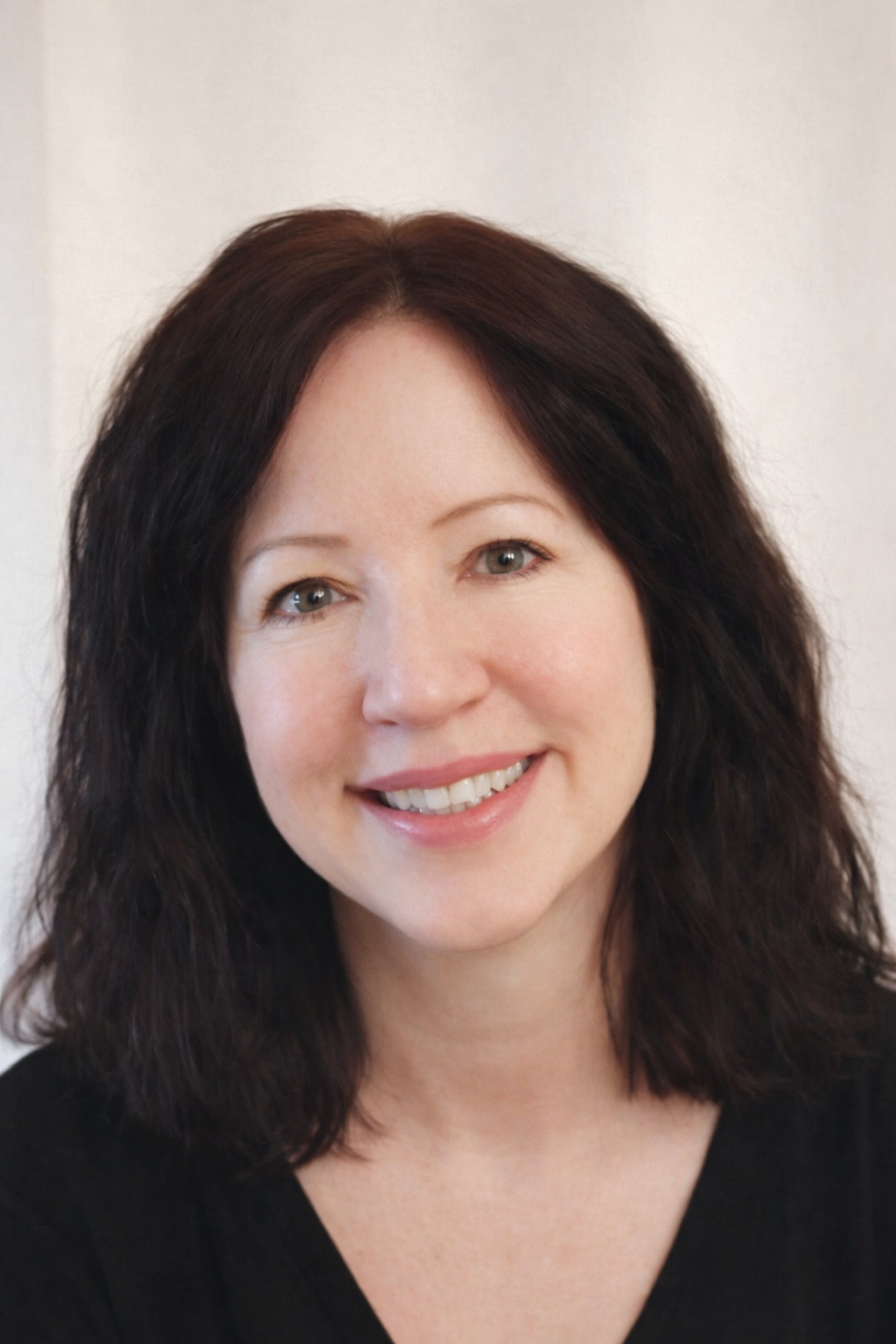
Having navigated trauma and its long-term effects myself, I understand how non-linear, layered, and deeply personal recovery can be. Every article here is written by me from the heart, based entirely on my own lived experiences and personal journey. The goal of my writing is to encourage all those who, like me, are living with a lifelong medical diagnosis, and everyone navigating difficult times in their lives. May my texts bring you comfort and encouragement. My website: https://www.janehealingangels.com/