
Establishing Post-Healing Boundaries: Reintegrating Comfortably Into the World
Boundaries, boundaries, boundaries. It’s somewhat of a buzzword nowadays, isn’t it?
I sometimes cringe when people toss the word around loosely, especially when they use it to manipulate others into getting what they want. The concept has even become punchline material for comedy sketches and late-night television shows. Our culture has a way of taking words that can be a saving grace for trauma survivors and turning them into a laughingstock.
For survivors of real trauma, though, establishing boundaries is no joking matter. It is necessary–sometimes even a matter of safety and survival–if we want to reintegrate into a healthy life without losing ourselves again. I am at a point in my healing journey where I am slowly breaking out of isolation, and thus, reevaluating my boundaries as the real Natalie, with stronger mental clarity than I’ve had in years.
Reflecting on my past boundaries
Others have described me as kind, generous, genuine, compassionate, and authentic. For years I kept a soft smile on my face even when I was in a pain so deep I wanted to disappear.
When I’m out in the world, my resting expression carries a soft smile, and people often approach me because they sense I’m a welcoming person. On the flip side, that same demeanor has repeatedly invited unwanted attention. Strangers have assumed romantic interest simply because I was being polite. My friends used to tease me, “You need to stop smiling so much, Natalie!”
Never saying “no”
I have written before on my experiences as an empath and highly sensitive person. As an empath, kindness and compassion come easily to me. I don’t calculate how I come across; it simply flows naturally.
For a long time, though, those same qualities fed a deep people-pleasing pattern that put my health and safety at risk. The word “no” barely existed in my vocabulary (except when someone invited me on a run – no, thanks, I only run if something is chasing me, and even then, I’m open to negotiation!). Other people’s wants, needs, and expectations consistently ranked higher than my own comfort or well-being. It didn’t matter who they were.
Whenever I tried to set boundaries in the past, the people who sought to control me responded with guilt and gaslighting. If I began to show signs that I might not be so easy to manipulate anymore, they accused me of hiding things and called me a liar outright. Their tactics made me question my own reality, feel ashamed for protecting myself, and fear saying “no” at all. So I slipped back into the old patterns that had kept me “safe”–and silent.
Evaluating my past and future boundaries
During my healing journey, I’ve reflected on how loose my boundaries were in the past and how carefully I want to set them going forward. I am slowly coming out of hiding and reintegrating into something closer to a “normal” life (I don’t particularly like that word, but you know what I mean!). These are the areas I’m currently being most intentional about.
Finances
In my life, money has had a way of becoming entangled with people-pleasing and old survival patterns. In the past, I often felt pressure—spoken or unspoken—to lend money, cover costs, or prioritize someone else’s needs over my own financial stability. Saying yes felt like the “kind” thing to do, even when it left me stretched thin, anxious, and sometimes unable to afford the things I needed myself. Being overly generous also attracted people who were only in my life because they knew they could get money out of me when they needed it.
Post-healing, my financial boundaries look different. They include being clear about what I can and cannot afford to give, declining requests that would create resentment or hardship for me, and protecting my monthly budget so it doesn’t add extra stress during my recovery. My healing journey has also revealed which relationships were primarily transactional. I have chosen to step away from these people.
Setting these financial boundaries is not about becoming cold or selfish. It’s about recognizing that my own security is most important. When I protect my finances, I’m also protecting the peace I’ve fought to create.
Some questions I now ask myself whenever I’m considering covering costs for someone else are:
- What is my real reason for doing this? Am I saying yes because I feel obligated, or because I genuinely want to?
- Who is the person I’m extending my generosity to? Has she shown herself to be a true friend who values my kindness and might even reciprocate if I ever needed help? Or has she repeatedly used my resources in a way that suggests she might be taking advantage of me?
- If I pay for this meal, gift, or expense, will it leave me scrambling at the end of the month–or will I still have what I need without added stress?
Learning to say no with money has been one of the clearest signs that I’m no longer living from old survival patterns. In letting go of the guilt of keeping my money for myself and my needs, I’ve gained a self-respect I didn’t know how to claim before. Each time I protect my budget without apologizing for it, I practice trusting that my needs matter just as much as anyone else’s.
Social commitments
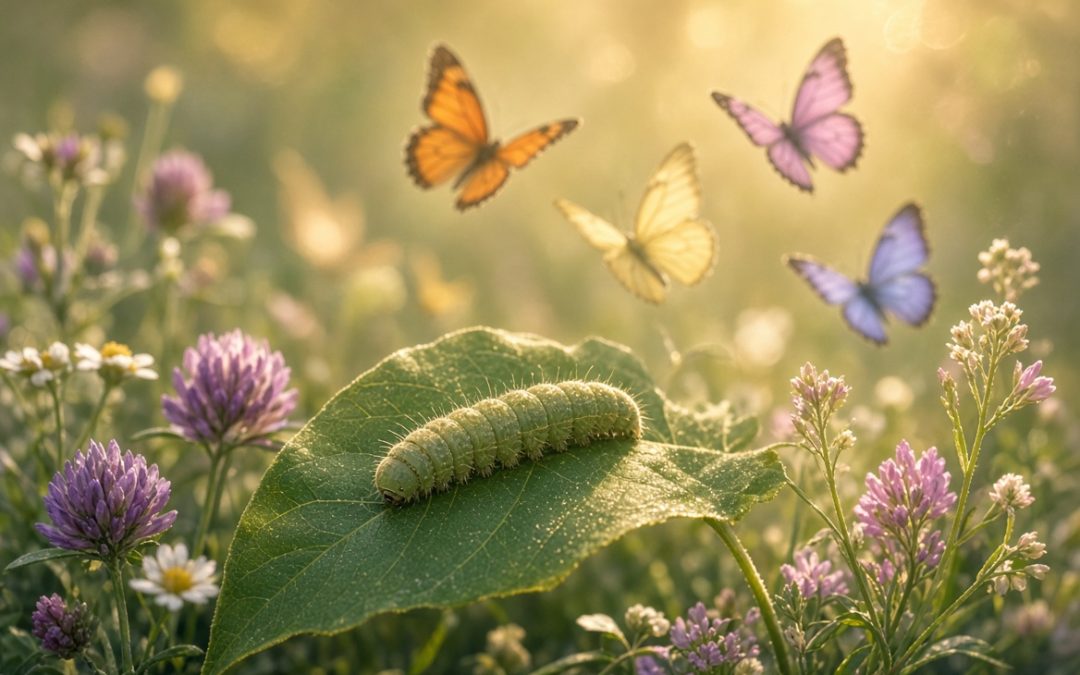
I’m not a social butterfly. In fact, I’m closer to the opposite. (Would that make me an antisocial caterpillar?) However, when I’m around people I trust and feel comfortable with, I can be quite bubbly, and I genuinely enjoy being social in these instances. As an empath, though, I absorb the stimulation, energy, and emotions of others with great intensity. After those interactions, I often feel the need to hibernate in my cabin and sleep for three days!
I’m also not a party girl. I never go out to events involving drugs, alcohol, large crowds, or high levels of stimulation. Even so, for years–and despite the pain I was carrying underneath–I made every effort to stay involved in my communities. I said yes to exercise classes, art workshops, volunteering, and small group gatherings. I love meeting others who share my hobbies and passions. But there were many times I said yes when I most wanted to stay home, rest, and take care of myself. Saying yes felt like proof that I was “okay” and still connected to the world. People in my communities were often concerned about how much I isolated myself, and I didn’t want to confirm their worries.
Putting their concerns above my own needs, combined with constant overcommitting, left me depleted, overstimulated, and quietly resentful. As a highly sensitive person, social energy is a finite resource for me. My trauma recovery process has only made it clearer how important it is to protect my energy in this regard.
Now I’m learning to treat my calendar as something sacred – something that belongs to me alone. That means checking in with myself before accepting plans:
- Do I actually want to go?
- Do I have the capacity?
- Will this support my healing or drain it?
In the past, I felt insecure that my quieter lifestyle meant I was doing something “wrong,” not making a big enough difference, or coming across as cold, distant, or uninterested. Criticism from people who live louder lives made me second-guess myself as well. I now know there is nothing wrong with being an antisocial caterpillar. It’s okay to leave space open. It’s okay to cancel when my nervous system needs quiet. And it’s okay to choose smaller, more intentional gatherings over large, high-stimulation ones.
In fact, I walk with a quiet confidence now. As someone who keeps to herself, protects her energy, and prioritizes her mind and body, I believe I am making an even deeper difference than I ever could by surrounding myself with the noise and drama of large groups or people screaming into echo chambers.

External burdens around others’ emotions, pain, and distress
As a trauma survivor and an empath, I carry other people’s emotional weight easily. I’m a great listener and problem-solver, and I can soothe someone else’s distress quite easily. For a long time, though, this came at the cost of my own regulation. In the past, I frequently took on roles that weren’t mine: Unofficial (and Unqualified) Therapist, Crisis Manager, and – my least favorite – Emotional Punching Bag.
I have since stepped down from these roles. While I am working through my recovery, another person’s problems are not my responsibility. Post-healing boundaries around external burdens mean recognizing when someone else’s pain is theirs to carry. I can still be compassionate and present without making their crisis mine.
In practice, this looks like putting an end to conversations that spiral into constant venting, refusing to participate in conflicts that don’t involve me, and protecting my emotional bandwidth so I don’t become overwhelmed.
Some questions I now ask myself when I notice I’m taking on external burdens are:
- Am I listening and supporting from a grounded place, or am I absorbing this person’s distress as if it were my own?
- Is this person capable of carrying their own pain, or am I stepping in because it feels like I have to – or because I’ll feel guilty if I don’t?
- If I continue to take this on, will I still have the emotional capacity I need for my own healing and daily life?
The pain of others is real, and I care about it deeply. But it is not mine to manage. Each time I choose not to take it on, I practice trusting that both of us will be okay without me overextending. Stepping back from these roles has not made me less caring. It has simply allowed me to care without abandoning myself in the process. Protecting my peace is no longer something I feel guilty about – it is a requirement for surviving in a world that, for me, is often overstimulating, overwhelming, and fast-paced.
Communication around my boundaries
Finally, no matter which category of boundary I’m refining – financial, social, or emotional – I am practicing clear communication as the practical expression of every boundary I set. In the past, I often apologized for taking care of myself and protecting my peace. I softened my words, added unnecessary fluff, and beat around the bush so I wouldn’t hurt the other person’s feelings. In some cases, I avoided stating my needs altogether to avoid conflict or rejection, only to end up carrying the emotional toll of having my boundaries crossed. I rarely spoke my mind. Silence and over-accommodation felt safer than honesty.
These days, I’m practicing language that is direct, firm, and still kind. I name limits early: “I can’t take that on right now,” or “Perhaps once my recovery is in a stronger place, I can reconsider.” I also correct assumptions when people misread my friendliness as something more. Most importantly, I’m learning that I don’t owe lengthy explanations. A simple, calm “no” is enough. Not even “No, thank you.” Just “no.”
Boundaries are important, but I won’t stop being myself
My friends’ suggestions to “stop smiling so much” still make me giggle a little. I know they mean well, but I won’t stop smiling, and I won’t stop being myself. My soft expression, my genuine warmth, my natural inclination to care—those parts of me are not the problem. The problem was never having a sturdy container around them.
Boundaries don’t erase my kindness; they protect it. They allow me to actually make a difference without erasing myself. As I reintegrate into the world, I am choosing to remain open-hearted while also remaining self-protective. That combination—warmth with clear limits—is what feels most authentic and safest for the beautiful life I’ve always deserved.
To my readers who have been following my journey: I am excited to share that I have created a personal blog called “Little Cabin Life.” This blog chronicles my healing journey, where I share my experiences and the things I am doing to support my recovery. You’ll also find tips that have been helpful to me along the way. If you’re interested in following my story, please feel free to visit www.littlecabinlife.com.
Photo Credit: Grok, Generated by Author.
Guest Post Disclaimer: This guest post is for educational and informational purposes only. Nothing shared here, across CPTSDfoundation.org, any CPTSD Foundation website, our associated communities, or our Social Media accounts, is intended to substitute for or supersede the professional advice and direction of your medical or mental health providers. The thoughts and opinions expressed are those of the guest author and do not necessarily reflect the views of the CPTSD Foundation. For further details, please review the following: Terms of Service, Privacy Policy and Full Disclaimer
- About the Author
- Latest Posts
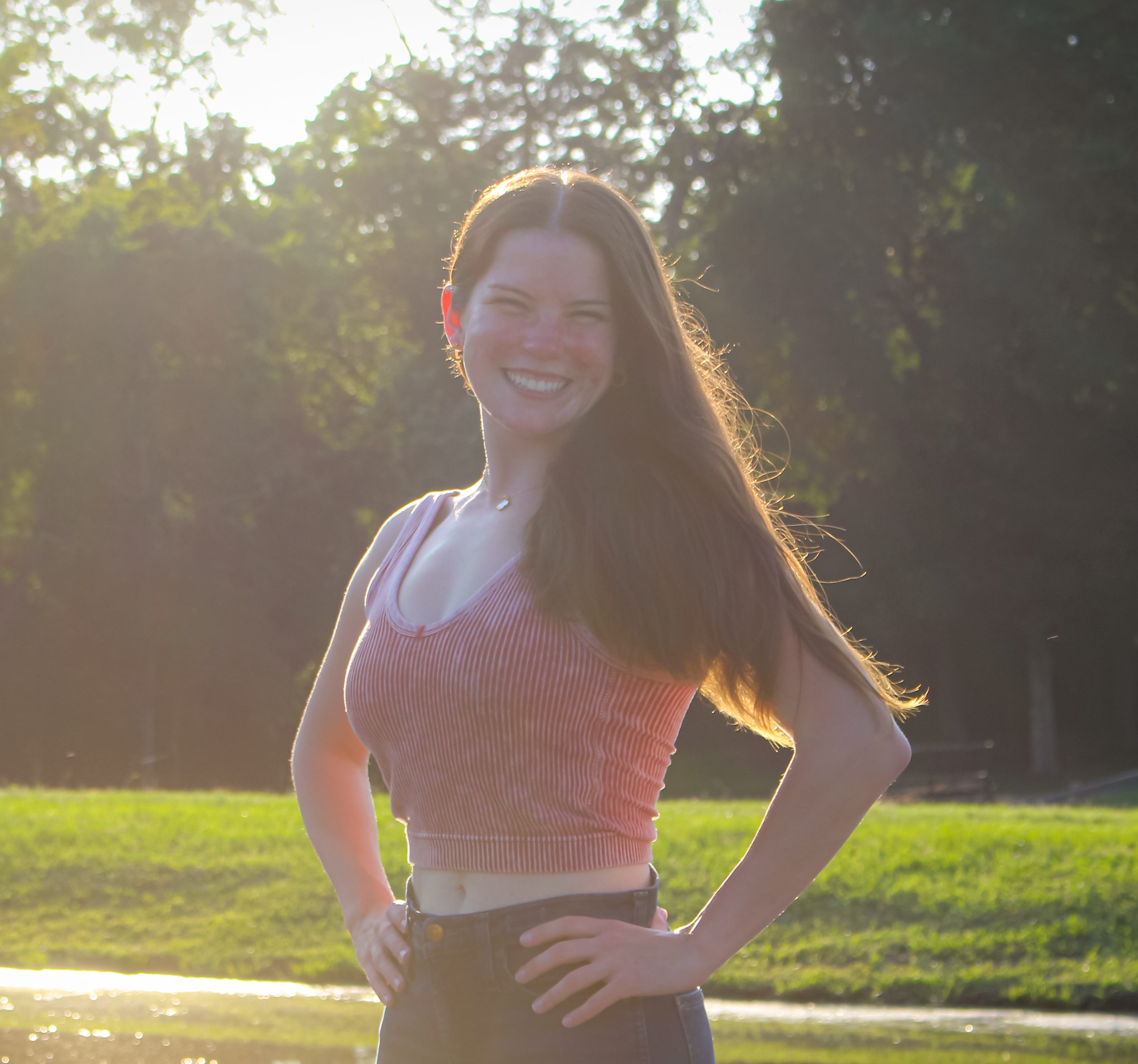
My name is Natalie, and I am a survivor of about 13 years of absolute psychological torture from Complex PTSD symptoms. For the longest time, I thought I was inherently sick and broken beyond repair. I spent over a decade running around in circles in the medical system trying to figure out what was “wrong” with me and how to “fix” it.
♡ What is Complex PTSD? ♡
Complex PTSD symptoms come from severe, prolonged, and numerous incidents of trauma, typically of a relational nature. Symptoms can come from any type of trauma, though, and the trauma doesn’t necessarily have to stem from childhood — adults can develop CPTSD as well. Trauma can damage the brain and shrink the hippocampus, causing many of the symptoms of CPTSD. I decided to go public with my story to be a voice for the voiceless. There are too many survivors being told CPTSD is a lifelong sentence, and they are not being given the tools they need to overcome their symptoms.
♡ My Story ♡
I endured multiple types of traumas starting at around age thirteen, including numerous situations of both individual and large-group interpersonal cruelty. Some of these situations forced me to switch environments. My body couldn’t fathom what was happening, and my nervous system shut down. I saw danger everywhere, operated in a panicked survival mode, and lived in fear, anxiety, and isolation. I did my best to appear “normal” on the outside, keep a smile on my face, and control what was happening on the inside, distracting myself with extreme workaholism and doing nice things for others. I took active steps to keep branching out in confidence again, but these traumas kept piling onto each other and overlapping. I wasn’t ready to give up yet, though, because I knew my family and friends would be distraught if I did. The most difficult and heartbreaking part of my story is that the two communities I set out to seek healing in—religion and the medical system itself—caused further trauma when some religious leaders, congregation members, and medical professionals chose to take advantage of my vulnerability for their own motives. In most of these situations, I didn’t even realize I was a victim until outsiders pointed it out for me and that my vulnerability made me a target of malicious people. Each future situation of being targeted was just salt on the wound of the original incident.
♡ My Struggles to Find Answers ♡
What I went through all those years was so severe, and my symptoms and physical body reactions as a result were so excruciating that I went as far as to see a neurologist, concerned that my symptoms were the result of some sort of nervous system disorder. However, he returned with no paperwork in his hands to inform me that there was nothing wrong with me but that I was simply completely traumatized, and my body reacted accordingly. I finally realized that my symptoms were not the result of an inherent mental or physical illness and began to take a trauma-based approach to my healing after many years of believing that I was “sick” for the rest of my life. My true progress began when I finally rejected the lies that were told to me that I would have to manage my symptoms for the rest of my life and made the decision to believe that I was fully capable of healing from my excruciating pain.
♡ Finding My Own Healing ♡
I am excited to share tips for natural, somatic, and holistic healing that have helped me overcome things like dissociation, flashbacks, sleep challenges, anxiety, hypervigilance, and more. I began to pursue unique methods of healing after many years of not seeing much progress through westernized care, and this was the catalyst for fast-tracking my healing. I aim to help survivors overcome their feelings of self-guilt, blame, and humiliation and help them realize that their bodies had normal reactions to abnormal situations.
I’m so glad I didn’t give up when my pain felt unbearable. I know what I’ve survived. I know the work I’ve put in to overcome it. I am finally living a life of consistent peace and contentment, and I am sharing my story from the other side. I hope to encourage other survivors that there was never anything wrong with them to begin with and that they are capable of living healthy, happy, and fulfilled lives. I aim to live my life in love of both others and myself, understanding that everyone has a story of their own. I am grateful to the CPTSD Foundation for giving me an opportunity to share my story.
♡ Personal Blog ♡
To learn more about my healing journey, please visit my personal blog, “Little Cabin Life,” at:
littlecabinlife.com