Trauma-Informed Blog
New content weekly! Survivor Stories, Research Articles, Poetry, and more written by clinicians, coaches, survivors, and mental health professionals.

Remember...
Important Information About Our Content
Everything you find on this blog, CPTSDfoundation.org, or within our wider digital communities is created for educational and informational use only. No content shared here—whether by our staff or guest contributors—is intended to supersede or replace the clinical relationship you have with your medical or mental health providers. We are here to support your journey with information, but we do not provide medical advice or treatment. Guest opinions are their own and may not represent the views of CPTSD Foundation. Privacy Policy and Full Site Disclaimer, Terms of Service.

8 Things Survivors Need to Stop Apologizing For | Part 5 | Needing Reassurance (video post)
Wanting reassurance doesn't make you needy. Sometimes it means your nervous system is still learning safety. What helps you feel emotionally safe? Click Here to watch the video (opens in a new tab)...
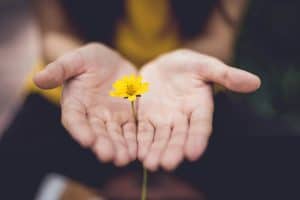
Developmental Trauma Part 4 – Why Healing Can Feel Harder Before It Feels Better-When the Wounded Part Emerges
Review: What is Developmental Trauma? Developmental trauma is different. It is not one event. It is not even a series of events. It is the result of growing up inside danger itself—when the...
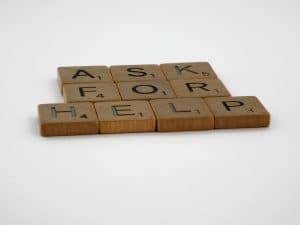
Why Trauma Survivors Often Don’t Ask for Help Until It’s Almost Too Late
Some trauma survivors do not avoid help because they are stubborn. They avoid it because needing help once felt unsafe, humiliating, useless, or dangerous.

The Loneliness that Wraps Around Trauma
It’s in the Silence You Hear the Loudest Things ***Trigger Warning*** This article discusses specific, explicit, aspects of a personal trauma story. Please be kind to yourself as you read. What do...

When You Love Someone Who Never Feels Good Enough: Understanding the Lasting Effects of Chronic Parental Criticism, Part 2
Loving an emotionally healthy partner Here is Part 1 of this series. If the adult child finds an emotionally healthy partner, they might feel uncomfortable because this person can challenge...

When Safety Feels Like a Trap
For some trauma survivors, calm does not feel peaceful at first. It can feel suspicious, temporary, or unsafe because the nervous system learned to prepare for what came next.
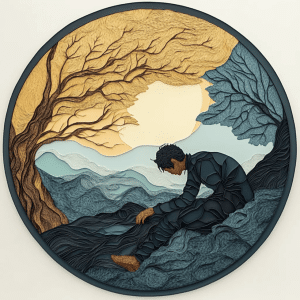
“Can’t You Take A Joke?” How Small Things Can Lead to Existential Humiliation
Have you ever found yourself suddenly humiliated, yet forced to pretend otherwise in front of people? How covert narcissists intentionally do this to their targets while appearing perfectly...

8 Things Survivors Need to Stop Apologizing For | Part 4 | Changing
Healing changes your tolerance, relationships, and what you're willing to accept. Growth is not betrayal. How have you changed through healing? https://www.youtube.com/shorts/o6xtEihUySA Photo...
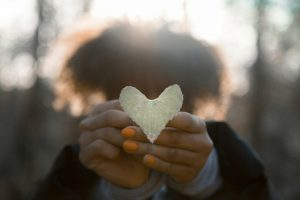
Why do you lose yourself in relationships? What is codependency?
Do you feel like you’ve lost yourself in a relationship? Codependency happens when your identity, worth, and happiness become centered on another person. For many people with CPTSD, this pattern develops as a survival response to childhood trauma, emotional neglect, or unhealthy family dynamics. Understanding codependency is the first step toward reclaiming your voice, boundaries, and sense of self.

The Child Who Could Never Do Enough: Understanding the Lasting Effects of Chronic Parental Criticism, Part 1
The invisible wound When people think about childhood trauma, they might imagine bruises from physical abuse, scars on skin that remain red and thick, stories of children left alone to fend for...
The paradoxes of flourishing
I once dated a man with borderline personality disorder. At one point, he told me that it broke his heart to see what I was not, what I hadn’t become, how small my life was, how I had squandered my...

Menopausal Psychosis or a Call to Healing
It all started one night back in mid-July 2005 when I woke up to use the bathroom. Within minutes I began shaking so badly that I could hardly hold a glass of water. I was so terrified that I...

What is Complex Post-Traumatic Stress Disorder?
“Complex PTSD comes in response to chronic traumatization over the course of months or, more often, years. This can include emotional, physical, and/or sexual abuses, domestic violence, living in a war zone, being held captive, human trafficking, and other organized rings of abuse, and more. While there are exceptional circumstances where adults develop C-PTSD, it is most often seen in those whose trauma occurred in childhood”.