• Follow
  • Follow
  • Follow
  • Follow
  • Follow
300px-cptsd-foundation-logo
  • Programs
    • Daily Support
      • Daily Recovery Support
      • Peer Support Chat Group
      • Daily Encouraging Text
    • Weekly Support
      • Healing Book Club
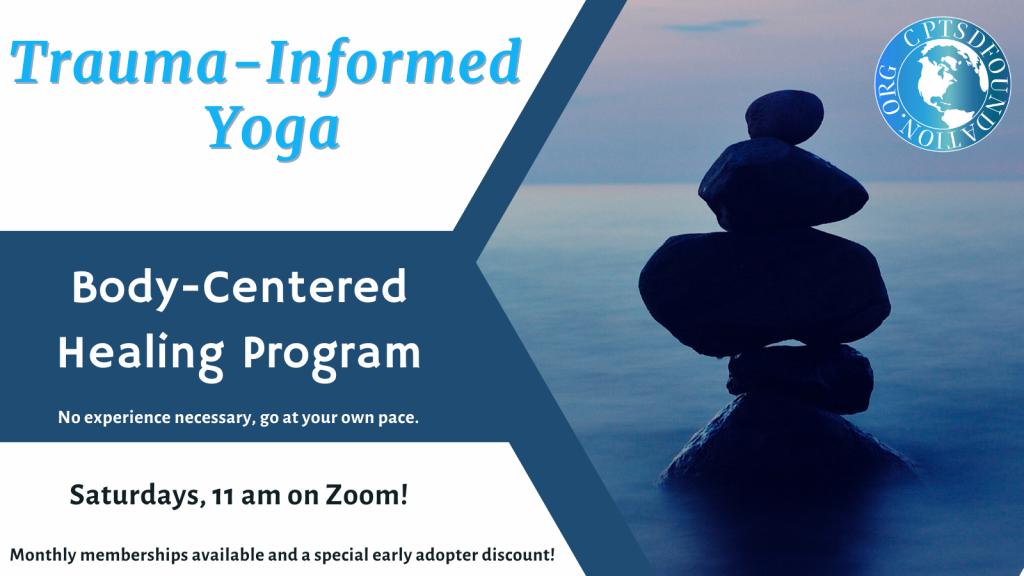
      • Trauma-Informed Yoga
      • Parental Alienation
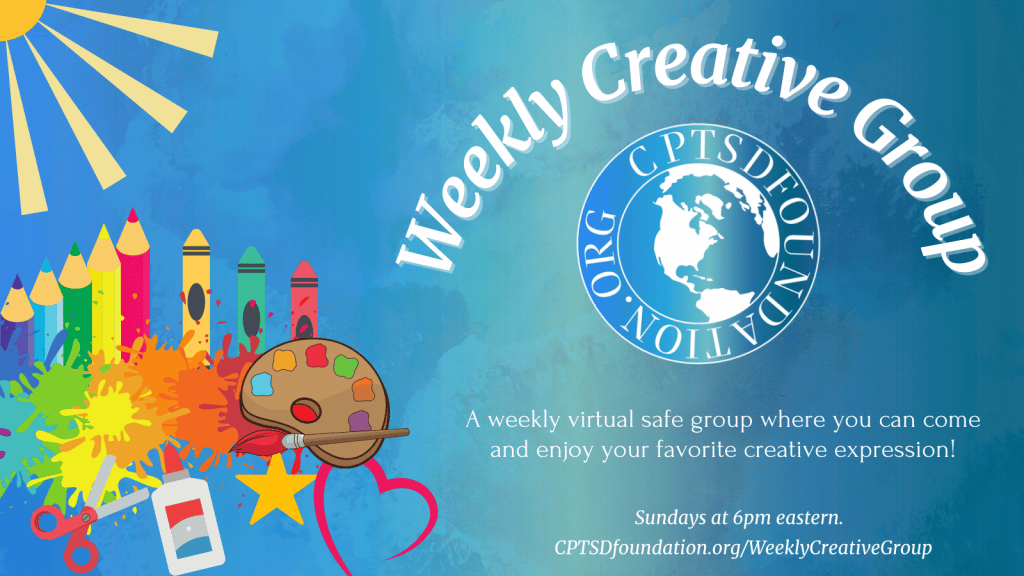
      • Weekly Creative Group
    • Trauma-Friendly Meditation
    • All Programs
  • Resources
    • Newsletter
    • Rachel Grant Workshops
    • Toxic Relationships
      • STAR Network
      • TAR Anon
      • TAR Tales
      • Learn More
    • Help Me Find a Therapist
    • Work with a Coach
    • Legal Resources
    • CPTSD Research
    • CPTSD Awareness Wristband
  • Blog
  • About Us
    • About Us
    • Testimonials
    • Get Involved
    • Advisory Board
The Danger of Burnout and Secondary Trauma During the COVID-19 Pandemic

The Danger of Burnout and Secondary Trauma During the COVID-19 Pandemic

by Shirley Davis | May 25, 2020 | COVID-19, CPTSD Research

Police officers, nurses, doctors, nursing aides, and many other professionals stand on the front lines during the COVID-19 pandemic. While catching the virus themselves is a huge danger, the second danger is burnout, with the third being secondary trauma. This article...

How To Help Reduce the Stigma Around Mental Illness

by Robyn Brickel | May 21, 2020 | Depression, Guest Contributor, Trauma-Informed

Together, We Can Make It Okay to Ask for Help We have a massive issue as a society and culture when it comes to the stigma surrounding mental illness. This stigma stops too many people from getting help early when it is most effective. You and I can easily help end...

Jack in the Box – Part One

Jack in the Box – Part One

by Martin Dearlove | May 14, 2020 | CPTSD Survivor Stories, Guest Contributor

Jack in the Box – Part One The first thousand days 0,1,2,3 years of age and for some additional delight let’s throw in age 4. Making it the first 1460 days (this excludes the ‘count down days’ of pregnancy and the development of the fetus in utero). We know the...

Essential Workers Managing Stress During COVID-19.

by Shirley Davis | May 11, 2020 | COVID-19, CPTSD

The COVID-19 crisis has affected the entire globe, with people dying in record numbers from the virus. Essential workers, which includes all first responders, nurses, doctors, nursing aides, and others who must go to work, are on the front lines. This article will...
Overwhelming, Confusing Emotions? You May Be Having a Flashback

Overwhelming, Confusing Emotions? You May Be Having a Flashback

by Emily Wiebe | May 7, 2020 | CPTSD, CPTSD Research, Emotional Flashbacks, Guest Contributor

Note: if you are triggered while reading, take a break to do some gentle self-care before returning to the article, and if you find yourself in crisis, please reach out to your medical or mental health provider, or to an online crisis resource. Flashbacks are intense,...

First Responders, Complex Post-Traumatic Stress Disorder, and COVID 19

by Shirley Davis | May 4, 2020 | COVID-19, CPTSD Research, First Responders and CPTSD

As Americans, we have grown accustomed to calling 911 when we are in trouble. We pick up the phone, talk to an operator, and fully expect first responders to appear as if by magic and save us. However, there is a darker side to this privilege. The hidden problem of...

How Trauma Can Stifle Creativity, and How to Find it Again

by Emily Wiebe | Apr 30, 2020 | Complex PTSD Healing, CPTSD, CPTSD Survivor Stories, Depression, Emotional Flashbacks

I was around 19 years old when I lost the ability to daydream. I didn’t notice it at the time. What I did notice was extreme difficulty with writing. I was taking creative writing courses at Simon Fraser University at the time, and couldn’t understand why I was unable...
Major Depressive Disorder During the COVID 19 Pandemic.

Major Depressive Disorder During the COVID 19 Pandemic.

by Shirley Davis | Apr 27, 2020 | COVID-19, CPTSD, CPTSD Research, Depression

COVID 19 has done much more than inconvenience people, it has a much darker and dangerous side. A disturbing consequence of the isolation and loneliness sparked by stay-at-home policies, that problem is the rising current of depression. While depression is treatable,...

Dissociation: How People Cope with Trauma They Want to Forget

by Robyn Brickel | Apr 23, 2020 | CPTSD, Dissociation and CPTSD, Guest Contributor

When you witness or experience something terrible, you may try not to think about it. To help you, your brain may call on one of its most creative and ingenious coping strategies to keep you going: dissociation. In the simplest terms, dissociation is a mental block...
Flashbacks, Complex Post-Traumatic Stress Disorder, and the Brain

Flashbacks, Complex Post-Traumatic Stress Disorder, and the Brain

by Shirley Davis | Apr 20, 2020 | Complex PTSD Healing, CPTSD Research, Emotional Flashbacks, The Brain and CPTSD

Everyone experiences flashbacks. Most of the time flashbacks are benign when they experience a trigger, such as the smell of fresh-baked bread, and it reminds them of their grandmother. However, flashbacks are a nightmare for those who have experienced extreme trauma...
« Older Entries
Next Entries »

Follow, Like, & Share!

Facebook
Facebook
fb-share-icon
Twitter
Visit Us
Follow Me
Post on X
YouTube
Pinterest
LinkedIn
LinkedIn
Share
Instagram
WhatsApp

CPTSD Post Categories

Certified 501(c)(3) Non-Profit Charitable Organization. The Foundation for Post-Traumatic Healing and Complex Trauma Research. dba, CPTSD Foundation.

© CPTSD Foundation 2018-Present – All Rights Reserved

CPTSD Foundation provides trauma-informed peer support and educational resources designed to complement, not replace, professional treatment. Our programs are adjunctive and tertiary in nature; participation requires that members are medically stable and actively engaged in individual therapy.

Note on Crisis Care: CPTSD Foundation does not provide emergency intervention or crisis counseling. If you are in crisis, please contact emergency services, a local crisis center, or your medical provider immediately.


Nothing provided via our website(s), printed content, social media, online communities, program support calls, workshops, live or recorded events either in person or virtually, or any other resources of any type, constitutes medical, psychological, or psychiatric advice, diagnosis, or a treatment plan. Participation does not establish a therapist-client or doctor-patient relationship.


Contact Us

Full Disclaimer and Privacy Policy

Terms of Service

Cancellation and Refund Policy

Cookies Notice
We use cookies on our website to give you the most relevant experience by remembering your preferences and repeat visits. By clicking “Accept”, you consent to the use of ALL the cookies.
Do not sell my personal information.
Cookie settingsACCEPT
Privacy & Cookies Policy

Privacy Overview

This website uses cookies to improve your experience while you navigate through the website. Out of these cookies, the cookies that are categorized as necessary are stored on your browser as they are essential for the working of basic functionalities of the website. We also use third-party cookies that help us analyze and understand how you use this website. These cookies will be stored in your browser only with your consent. You also have the option to opt-out of these cookies. But opting out of some of these cookies may have an effect on your browsing experience.
Necessary
Always Enabled
Necessary cookies are absolutely essential for the website to function properly. This category only includes cookies that ensures basic functionalities and security features of the website. These cookies do not store any personal information.
Non-necessary
Any cookies that may not be particularly necessary for the website to function and is used specifically to collect user personal data via analytics, ads, other embedded contents are termed as non-necessary cookies. It is mandatory to procure user consent prior to running these cookies on your website.
SAVE & ACCEPT