by Xavier Nuez | Jun 23, 2026 | Building Resilience in Healing, Complex PTSD Healing
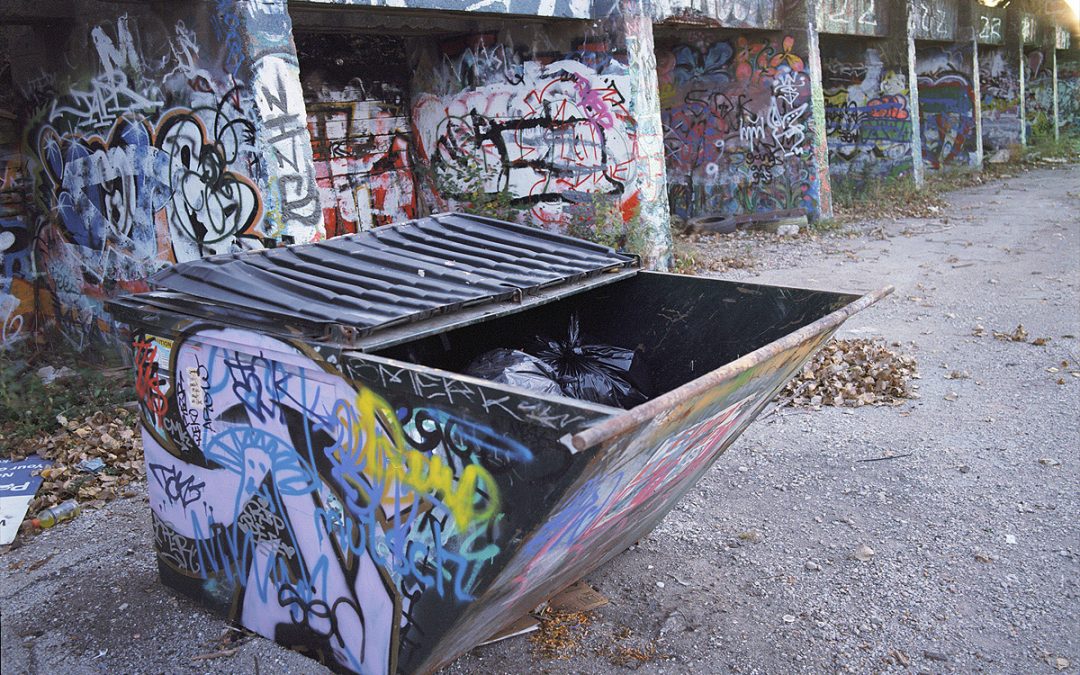
Why I went looking for broken places, and what they gave back For most of my twenties and thirties, I lived a contradiction I tried to hide from everyone. On the outside, I seemed to have my life together–running a photography studio, exhibiting my work, and...

by Elizabeth Woods | Jun 22, 2026 | Brain Chemistry, The Brain and CPTSD
Have you ever been curious about why, and how trauma survivors react to events, and other situations differently from others? As a trauma survivor, I started questioning why I am the way I am in certain situations. I have noticed all my life that most people...

by Rachel Grant | Jun 18, 2026 | CPTSD, Mental Health Professional, self trust
I recently had the great joy of connecting with Robyn Vogel. She is the author of the book Come Back to Love: A Path to Healing and host of the syndicated radio show of the same name! She has spent more than two decades helping individuals and couples heal emotional...

by Ellen Tift | Jun 17, 2026 | ACEs, Attachment Trauma, Building Resilience in Healing, CPTSD and Narcissistic Abuse, Depression, Grieving, Hope, Loneliness, Narcissistic Abuse, Suicide Prevention
Whether the narcissist is one person or a group, the pain of mistreatment can make you want to go to sleep and never wake up. Let’s validate this dilemma, consider why it happens, and how to heal. The Weight You Carry You wake up each morning with a heaviness...
by Elizabeth Woods | Jun 16, 2026 | Complex PTSD Healing
“You cannot heal from trauma by understanding things intellectually.” Gabor Mate, Ennea Summit 2026. I’ve been lucky to come across a free 90-minute Webinar with Dr. Gabor Mate, and have been consuming it for the past three days. Dr. Gabor Mate has launched a...

by Mari Stewart | Jun 15, 2026 | Complex PTSD Healing, Developmental Trauma, Grieving, neurodivergent, Post Traumatic Growth
I only found the “language” surrounding CPTSD very late in my life. Learning the reason for my decades of dysfunction and brokenness was my fiftieth birthday present from the universe–a genuine revelation. And long overdue. Like so many people who...
by Ellen Tift | Jun 11, 2026 | Abandonment and CPTSD, Attachment Trauma, Core Beliefs, Depression, Grief, Self-Acceptance, Suicide Prevention
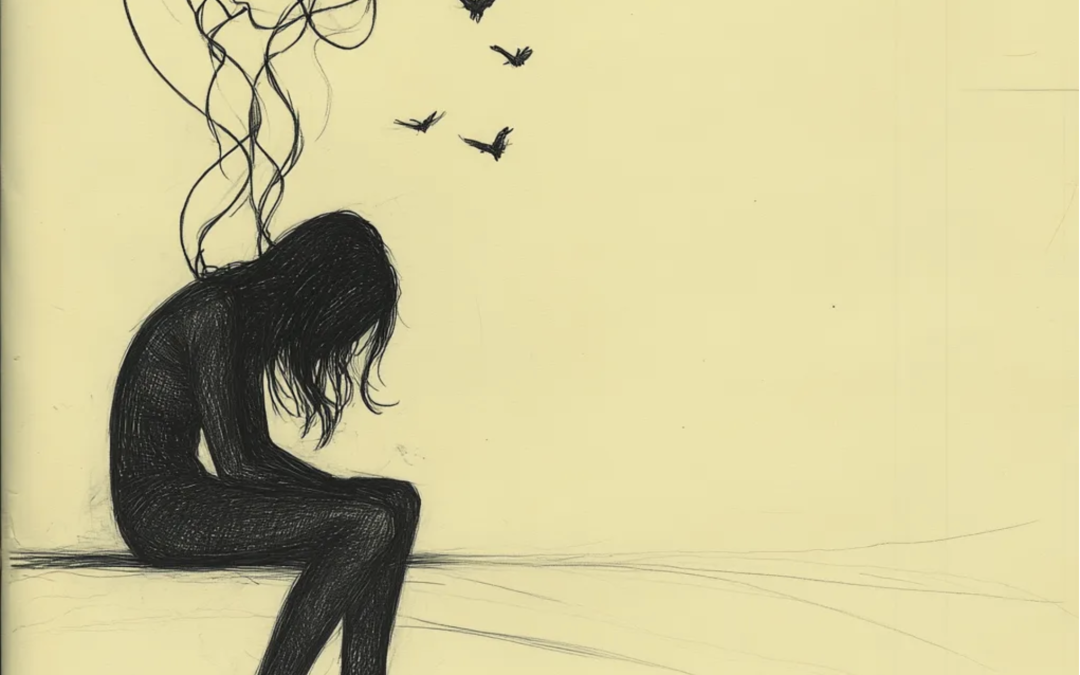
For many, this profoundly sad notion is buried so deeply, we don’t even realize it’s driving our search for significance. Why do we believe this and how can we heal it? Internalized Worthlessness: When You Truly Believe You Don’t Matter Khalil stood...

by Xavier Nuez | Jun 10, 2026 | Building Resilience in Healing, Complex PTSD Healing
How I accidentally built a healing practice without knowing what I was healing from In 1987, I walked into a job interview in Montreal and couldn’t say my own name. I was twenty-two. Two days earlier, I’d been at a party with friends, cracking jokes,...

by Dr. Amy Watson | Jun 9, 2026 | ACEs
Recently, I received a message from a podcast listener requesting a special episode addressed to people who live with and/or love someone with CPTSD. His message highlighted the importance of education related to complex trauma for both survivors and those who love...

by Elizabeth Woods | Jun 8, 2026 | Anxiety
Do you worry about things all the time? Is your mind full of noise? Anxiety is the emotion that people feel involving tension, fear, and worry in response to a threat or a perceived threat. Anxiety triggers a stress reaction in the body, which manifests in several...