by Dr. Mozelle Martin | Jun 26, 2026 | CPTSD, Mental Health Professional
Some people cannot answer a simple question with a simple answer. They deliver the fact, then the context, then the reason, then the exception, and, finally, the disclaimer meant to head off any possible misinterpretation or misunderstanding. They hear the extra...
by Jeanne Jess | Apr 13, 2026 | Abandonment and CPTSD, Anxiety, Attachment Trauma, Boundaries, Codependency, Complex PTSD Healing, Core Beliefs, CPTSD Survivor Stories, Depression
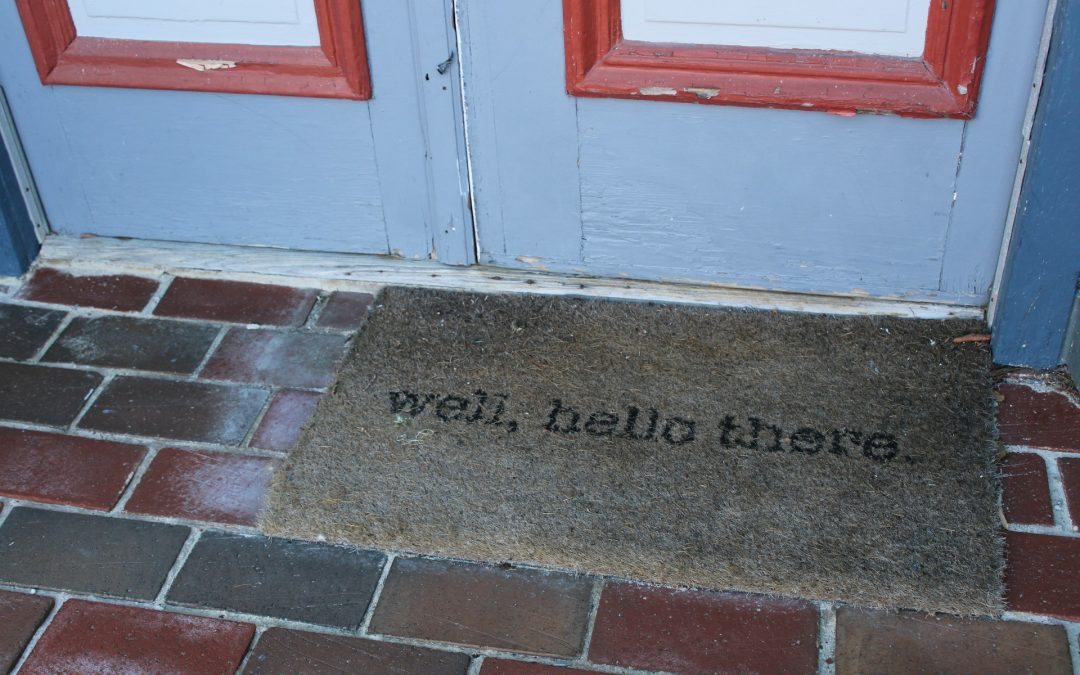
Setting Boundaries and Protecting Your Peace of Mind: Yes, because of my CPTSD, I was a people-pleaser. This was like a survival-mode I learned as a child. And that doormat syndrome was often painful for me, for many years. Until one day, I had had enough and decided...
by Dr. Mozelle Martin | Oct 28, 2025 | CPTSD, Guest Contributor, Mental Health Professional
Most survivors try to move on. They change cities, jobs, partners, and routines. Some try forgiveness as a shortcut. Some turn to hard work, religion, or numbness. But when the past still interrupts them, it is not due to a character flaw. It is unfinished work in...

by Danica Alison | Jun 30, 2025 | Attachment Trauma, Boundaries, Building Resilience in Healing, Childhood Sexual Abuse, Complex PTSD Healing, CPTSD, CPTSD and Inner Child Work, Emotional Wellness, Family Estrangement, Grief, Guest Contributor, Healthy Relationships, Hope, Life Management Skills, Post Traumatic Growth, Recovery, Relationships, Self Care, Silent Bystander Parents
There comes a point on the healing journey when the question doesn’t whisper. It roars. Do I tell my parents?Do they deserve to know what happened to me?Would they believe me?Would they hold it with care, or would it break me all over again? If you’re here, standing...

by Dr. Mozelle Martin | Jun 5, 2025 | Boundaries, CPTSD, Guest Contributor, Healing from Toxic Shame, Mental Health Awareness, Mental Health Professional, Polyvagal Theory and CPTSD, Self-Acceptance, Symptoms of CPTSD
It often looks like compassion. It often gets praised as loyalty. But for many trauma survivors, the behavior known as the fawn response isn’t about kindness—it is about survival. The fawn response is the least recognized of the four primary trauma reactions: fight,...